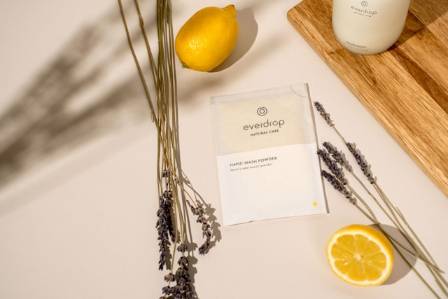
Plaza story
Scented Sachet Do's and Don'ts
Scented sachets have been used for hundreds of years. Some of the earliest examples appeared in medieval Europe, when people filled small fragrance pouches to freshen linens and help mask unwanted smells. Although the materials and designs have changed over time, the basic purpose remains unchanged: sachets provide an easy, passive method for keeping enclosed areas pleasantly scented.
Sophie Turner
City note
Sunny tip
The full plaza write-up continues below on the positive pulse board.
Board
NYC Good News
Scented sachets have been used for hundreds of years. Some of the earliest examples appeared in medieval Europe, when people filled small fragrance pouches to freshen linens and help mask unwanted smells. Although the materials and designs have changed over time, the basic purpose remains unchanged: sachets provide an easy, passive method for keeping enclosed areas pleasantly scented.
Even though sachets are simple to use, there are several details that may not be immediately obvious. Knowing what to do and what to avoid can help you get the longest-lasting fragrance from them.
Do: Leave the Sachet Sealed
One of the most frequent misunderstandings about sachets is that the packet should be opened to release more fragrance. In reality, sachets are generally designed to work while remaining sealed. The outer envelope regulates the release of fragrance, allowing it to disperse gradually and consistently.
Opening the packet allows the fragrance to evaporate much faster, which can significantly reduce how long the sachet lasts. It may also cause fragrance oil to get onto your hands, furniture, or other surfaces.
If the fragrance seems too weak, opening the sachet usually isn't the best solution. Instead, try placing it somewhere more enclosed or gently shaking it to redistribute the fragrance inside.
The exception: When a sachet is being used for a single-purpose application, such as a vacuum cleaner trick or a stovetop simmer, opening the packet may be necessary. In these situations, however, the sachet will generally be used up during that one application.
Do: Shake It to Bring the Fragrance Back
As time passes, you may become accustomed to a familiar scent. This natural response is known as olfactory fatigue, and it can make you believe that your sachet is no longer releasing fragrance even when it still has plenty of scent left.
Giving the sachet a gentle shake can redistribute the scented material inside and make the fragrance seem stronger again. This quick and effortless step can help you continue enjoying the sachet without having to replace it prematurely.
Do: Check the Instructions on the Label
Each sachet should include information about proper handling and use. These instructions can include important warnings about skin contact, where the product should be placed, and what steps to take if the contents are accidentally swallowed.
Although reading these directions may not seem particularly important, it is especially worthwhile when sachets are being used in a home with children or pets.
Important precautions include:
Keep sachets away from children and animals
Do not allow the contents to come into direct contact with skin
Keep sachets away from fabrics, finished surfaces, plastics, and natural-fiber rugs
If the contents are accidentally swallowed, drink plenty of water and seek medical attention if you begin to feel unwell
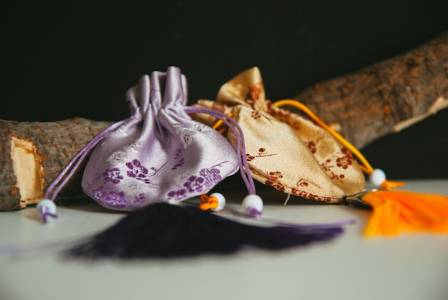
Do: Experiment with Different Locations
Sachets are particularly effective in enclosed or partially enclosed areas, including drawers, wardrobes, storage containers, suitcases, gym bags, shoe organizers, and similar spaces. However, these aren't the only places where you can use them.
Consider some of these placement ideas:
Hang a sachet inside your closet using its built-in hanging loop
Put one inside a decorative basket or bowl near your entryway
Place one beneath a car seat to create a flame-free source of fragrance
Slip one into your suitcase before traveling
Keep one alongside seasonal clothing while it is stored away
There are plenty of other creative ways to use scented sachets, so don't feel limited to traditional storage spaces.
Don't: Put Sachets Directly on Wood or Finished Materials
Certain fragrance oils can negatively affect materials such as wood, painted finishes, plastic, acrylic, and natural-fiber rugs. If fragrance oil escapes from the sachet because of heat, pressure, or damage to the envelope, it could potentially cause stains, marks, or discoloration.
If you want to keep a sachet visible on a dresser, bedside table, shelf, or similar surface, place it on a small plate, tray, or stand first. This simple precaution provides a barrier between the sachet and the surface.
Don't: Assume Every Sachet Will Last the Same Amount of Time
How long a sachet remains fragrant depends greatly on where it is used. Products placed inside small, enclosed areas with little air movement generally retain their scent longer than those exposed to larger, more open spaces.
For general reference:
Signature Collection sachets: Can last up to 6 months under ideal conditions
Small Places Collection sachets: Can last up to 3 months under ideal conditions
A particularly large, humid, or well-ventilated area may cause the fragrance to disappear more quickly. In those situations, you may need to replace the sachet sooner or use several sachets at once.
Don't: Keep Sachets Near Heat or Strong Sunlight
High temperatures and direct sunlight can cause fragrance to evaporate more quickly. If you purchase sachets in advance, keep unused ones somewhere cool and dry until you are ready to put them into use.
Avoid storing them inside hot vehicles, next to sunny windows, or in damp and humid bathrooms. Choosing an appropriate storage location can help preserve the fragrance for longer.
Don't: Throw One Away the Moment the Scent Seems Gone
Before deciding that a sachet has reached the end of its useful life, try giving it a gentle shake and moving it into a smaller, more enclosed area. What seems like a loss of fragrance may simply be caused by olfactory fatigue or by placing the sachet somewhere with too much airflow.
Eventually, however, every sachet will reach the end of its effective lifespan. When shaking it no longer brings the fragrance back, it is time to replace it with a fresh sachet.
More from the plaza
BLOCK · en
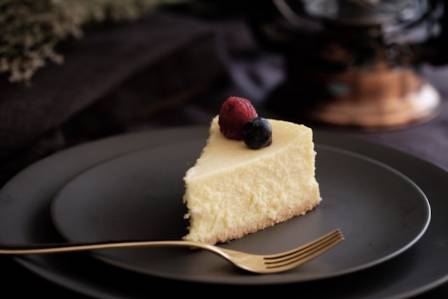
Five Variations for a Flawless Cheesecake
As the holiday of Shavuot approaches, cheesecakes become a ubiquitous sight in markets and bakeries. This iconic dessert is a fundamental part of the festival's culinary tradition, holding a place of honor similar to holiday staples like Hanukkah latkes or Passover matzah balls. While the recipe might seem straightforward, achieving the perfect texture requires specific methods and a bit of finesse.
BLOCK · en

5 Iconic Castles with Fascinating Histories
Castles are steeped in history, each one telling a unique story. Some are famous for their strange architecture, dramatic owners, and eerie legends. Here are five castles with captivating tales that continue to intrigue visitors from around the world.
BLOCK · en
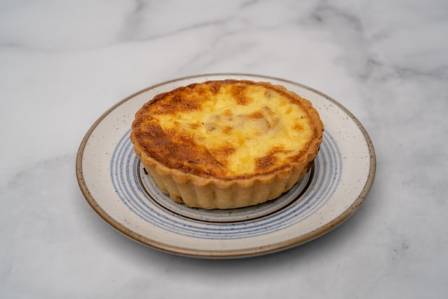
Classic Portuguese Egg Tart Recipe
I first fell in love with egg tarts during a visit to a small bakery in San Francisco’s Chinatown. The case was filled with perfectly golden pastries, and I couldn’t resist trying a few. One bite in, I was hooked—the crisp, flaky shell paired with a silky, rich custard was unforgettable. After many trials and plenty of tweaking, I finally developed a version at home that delivers that same bakery-level quality every time.
BLOCK · en

The Ultimate Buyer's Guide for Outdoor Lounge Chairs
Selecting the right outdoor lounge chairs is an important step for anyone who wants to create a more comfortable and stylish outdoor living area. Whether you are refreshing an existing patio, designing a garden escape, or building a relaxing space from scratch, the right lounge chairs can bring together comfort, beauty, and practicality.
BLOCK · en
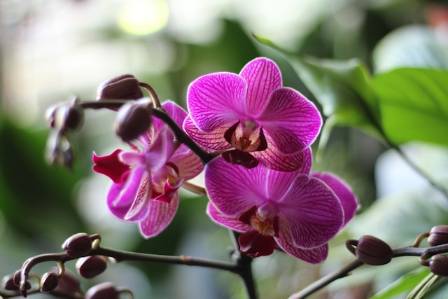
Essential Methods for Growing Healthy Moth Orchids
Cultivating the popular moth orchid is a highly rewarding endeavor once you understand its unique nature. In their natural habitats, these plants are epiphytes, meaning they grow perched upon tree branches completely out of the soil. Because their roots are designed to breathe open air rather than sit in dense earth, managing the balance of moisture, airflow, and light is the most crucial skill for a indoor grower to master. By focusing on a few fundamental care strategies, you can easily keep these stunning tropical flowers thriving in a typical home environment.
BLOCK · en

Discover Guilin, China: A Scenery Straight Out of an Ink Wash Painting – 4 Must-Visit Destinations
Located in the Guangxi Zhuang Autonomous Region of China, Guilin is a city known for its breathtaking karst landscape, resembling scenes straight out of a traditional Chinese ink painting. Even if you’re unfamiliar with the name Guilin, you’ve likely seen its picturesque scenery in travel magazines or on TV.