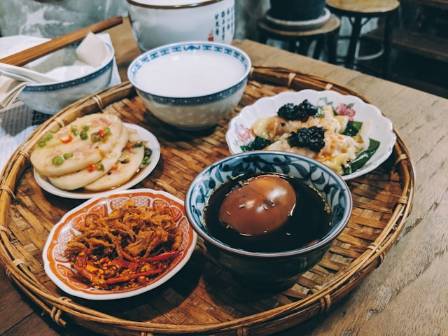
Plaza story
A Delicious Dive into the Morning Traditions of China
Discover the rich diversity of Chinese morning meals and learn how to incorporate them into your daily routine. From savory porridges to steamed buns and crispy crepes, there are countless ways to enjoy a healthy and flavorful start to your day.
Dylan Cross
City note
Sunny tip
The full plaza write-up continues below on the positive pulse board.
Board
NYC Good News
Discover the rich diversity of Chinese morning meals and learn how to incorporate them into your daily routine. From savory porridges to steamed buns and crispy crepes, there are countless ways to enjoy a healthy and flavorful start to your day.
Introduction to Chinese Breakfast
A typical breakfast in China presents a vast selection of flavors and dishes that contrast greatly with Western morning meals. While a Western breakfast may consist of toast, cereal, or coffee, Chinese breakfasts often feature warming congee, soft steamed buns, crispy Jianbing, and delicate dim sum. This variety offers not only nourishment but also a cultural and culinary experience that embodies comfort, energy, and tradition.
In Chinese culture, breakfast is considered essential, providing the fuel needed for a productive day. Unlike the often quick and light Western breakfasts, Chinese morning meals are hearty, balanced, and rooted in history, community, and culinary heritage.
Popular Types of Chinese Breakfast
Dim Sum: A Timeless Classic
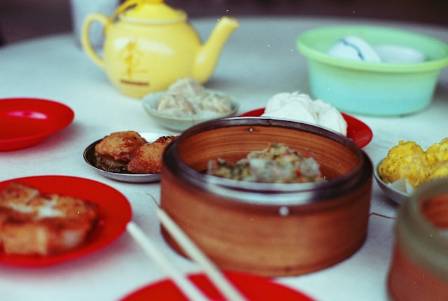
Dim sum is one of the most iconic components of Chinese cuisine, especially for breakfast. Traditionally served in bamboo baskets, dim sum includes an assortment of dumplings, buns, and small pastries, making it ideal for sharing. The ritual of enjoying dim sum with tea is called “Yum Cha,” meaning “drink tea,” and is especially popular in Guangdong and Hong Kong.
Varieties include shrimp dumplings (Har Gow), pork buns (Cha Siu Bao), and spring rolls. Steamed options are typically low in oil and calories, while seafood and vegetable fillings contribute essential nutrients.
Congee (Rice Porridge)
Congee is a simple yet nourishing rice porridge, a staple for many Chinese families. Its flavor and texture vary by region and can be made with chicken, pork, fish, or kept plain with condiments like soy sauce, ginger, and scallions. Toppings such as pickled vegetables, peanuts, or century eggs allow for endless customization.
In southern China, congee is usually thin and smooth, served with fried dough sticks (Youtiao). In northern China, thicker and heartier congee is preferred. Century egg congee and seafood congee are widely enjoyed across the country.
Jianbing (Chinese Crepes)
Jianbing is one of China’s favorite street breakfast options. Often likened to a breakfast burrito, it consists of a thin, crispy crepe made from wheat and mung bean flour, filled with egg, scallions, sauces, and sometimes extra fillings such as chili paste, fermented bean sauce, or sausage.
Jianbing is quick, portable, and perfect for busy mornings. Common additions include fried crackers (Bao Cui), pickled mustard greens, and cilantro, adding layers of texture and flavor.
Steamed Buns (Baozi)
Baozi are soft, steamed buns filled with savory or sweet ingredients, commonly found at street vendors and breakfast shops. They are convenient, handheld, and ideal for those on the go.
Savory options often contain pork, chicken, or beef, while sweet varieties may include lotus seed paste or custard. Steaming in bamboo baskets ensures a light, fluffy texture.
Soy Milk and Youtiao
Soy milk paired with Youtiao, a fried dough stick, is a classic breakfast duo. Fresh soy milk is available at many urban breakfast stalls, often accompanied by sugar, salt, or scallions for personalization.
Soy milk is high in protein and low in cholesterol, while Youtiao provides carbohydrates and a slightly savory crunch. Together, they form a balanced and satisfying morning meal.
Regional Variations in Chinese Breakfast
Northern China
Northern Chinese breakfasts feature hearty, wheat-based dishes. Steamed buns, dumplings, and Jianbing are common, reflecting the northern reliance on wheat rather than rice. Unique items like Douzhi, a fermented mung bean drink, may surprise some palates. Savory pancakes and stuffed flatbreads are popular during cold seasons for a filling start to the day.
Southern China
Southern regions, especially Guangdong, are famous for dim sum with tea. Rice-based dishes dominate breakfast, including congee and rice noodle rolls (Cheung Fun). Seafood congee and other delicate dishes reflect the region’s preference for lighter, yet flavorful, morning meals.
Western China
In Western China, including Xinjiang and Tibet, breakfasts reflect Central Asian influences. Naan bread, lamb skewers, and milk tea are common. Tibetan mornings may feature Tsampa (roasted barley flour) and butter tea, perfect for colder climates. Xinjiang-style flatbreads and spiced lamb dishes offer bold, hearty flavors.
Health Benefits of a Chinese Breakfast
Chinese breakfasts often balance carbohydrates, proteins, and vegetables, providing long-lasting energy without excessive sugar. Compared to sugary Western cereals or pastries, these dishes are nourishing and minimally processed.
Steamed dim sum, congee, and soy milk are low in fat yet rich in nutrients. Seafood-based dim sum provides lean protein and omega-3s, while vegetables add fiber to support digestion. Choosing steamed dishes over fried options and incorporating plant-based proteins like tofu further enhances nutrition and reduces saturated fat intake.
Preparing a Traditional Chinese Breakfast at Home
Creating Chinese breakfasts at home can be simple and rewarding.
Congee: Cook 1 cup rice with 8 cups water or broth until creamy, about an hour. Top with scallions, ginger, or shredded chicken.
Jianbing: Make a smooth batter from wheat and mung bean flour, cook on a skillet, add an egg, and layer with scallions, pickled vegetables, and chili sauce. Fold and serve.
Baozi: Prepare dough and filling (pork, sweet bean paste, etc.), shape buns, and steam for 15–20 minutes.
Quick Chinese Breakfasts for Busy Mornings
Many dishes can be prepared ahead or cooked quickly. Frozen Baozi can be steamed in minutes, and congee can cook overnight in a slow cooker. Prepare Jianbing batter or dim sum fillings in advance for convenient mornings.
FAQ
What is the healthiest Chinese breakfast?
Congee with vegetables and lean protein like chicken or seafood is light, easy to digest, and well-balanced.
What is a typical Japanese breakfast?
A standard Japanese breakfast includes rice, miso soup, pickles, and grilled fish, emphasizing simplicity and nutrition.
What are three traditional Chinese breakfast dishes?
Congee, Jianbing, and Baozi represent different regions and styles of Chinese breakfast cuisine.
Can Chinese food be eaten for breakfast?
Yes. Dishes like dim sum, congee, and Jianbing are specifically designed for mornings, offering warmth, nutrition, and comfort.
Conclusion
A Chinese breakfast is more than just food; it’s a cultural experience. From the soothing warmth of congee to the crisp crunch of Jianbing and the communal delight of dim sum, these meals provide nourishment, flavor, and connection. Traditional breakfasts are not only healthy but also bring people together, fostering a sense of community and creating cherished memories. Starting the day with freshly prepared, culturally rich meals sets a positive tone for both body and mind.
More from the plaza
BLOCK · en

10 luxury high‑rise condominium developments
10 luxury high‑rise condominium developments
BLOCK · en

9 Essential Styles of Suits for Men
A well-tailored suit has always been a cornerstone of men’s fashion. Beyond simply looking sharp, the right suit communicates confidence, elegance, and personality. From timeless classics to bold statements, men’s suits come in a range of styles suited for different occasions. Here’s a guide to nine of the most important suit types every man should know.
BLOCK · en

Floral Imagery in Art: A Legacy of Beauty and Symbolism
Throughout history, blooms have symbolized life, rebirth, and creation. From ancient wall markings to religious imagery depicting Eden as an untouched sanctuary, botanical subjects have long been part of visual storytelling. Painters across generations have infused blossoms with layered meanings—roses, irises, tulips, and carnations all carry distinct cultural associations. Their visual richness, combined with their emotional resonance, has made them central to some of the most celebrated works in Western art, like Monet’s Water Lilies or Van Gogh’s Sunflowers. A single petal can hint at innocence, desire, sorrow, or transformation. Beyond metaphor, flowers have captured artists through their vibrant hues and aesthetic elegance.
BLOCK · en

African animal art
For centuries, African animal art has served as a means for various tribes to illustrate the intricate bond between humans and the natural world. Symbolism lies at the heart of this artistic tradition. From ancient cave paintings to intricate sculptures and ceremonial masks, African depictions of animals have continually evolved while retaining their cultural significance.
BLOCK · en

Top 8 Unforgettable Experiences in Madain Saleh (Al-Hijr)
Madain Saleh, also known as Al-Hijr, is one of Saudi Arabia’s most captivating destinations, rich in archaeological wonders and surrounded by dramatic desert landscapes. Once a thriving Nabatean city, it is now a UNESCO World Heritage Site that draws history enthusiasts, adventurers, and nature lovers alike. From ancient tombs to thrilling desert adventures, here are eight must-do activities that make a visit to this historic region truly memorable.
BLOCK · en

The Painted Bunting: A Colorful Reminder
If there is one thing I have learned from spending decades observing wildlife, it is that nature is always moving and evolving. People often assume that landscapes, animals, and opportunities will remain unchanged, but the natural world is constantly shifting. Change is not unusual in nature; it is one of its most fundamental characteristics.