Plaza story
A Guide to Color Mixing With Natural Pigments
Welcome to my newest blog post, where we’ll dive into the captivating world of primary color mixing, with a special focus on the enchanting earth pigments—red, yellow, and blue ochres. For many watercolor artists, experimenting with these pigments can be both challenging and deeply rewarding.
Jasper Quinn
City note
Sunny tip
The full plaza write-up continues below on the positive pulse board.
Board
NYC Good News
Welcome to my newest blog post, where we’ll dive into the captivating world of primary color mixing, with a special focus on the enchanting earth pigments—red, yellow, and blue ochres. For many watercolor artists, experimenting with these pigments can be both challenging and deeply rewarding.
Surprisingly, some painters avoid this part of their practice, missing out on the joyful discoveries that color mixing offers. If you haven’t yet explored this realm, there’s no better time to unlock the hidden potential within your palette.
Understanding Color Mixing
At its core, color mixing is the process of combining different hues to create new shades. By blending primary colors such as red, yellow, and blue, artists can produce an expansive range of secondary and tertiary tones.
The magic of mixing lies in how the unique qualities of each pigment interact. Natural pigments are especially fascinating, as their individual particle sizes and characteristics influence how they merge on paper, producing subtle, visually intriguing effects. Even using only primary earth colors, you can achieve an impressive spectrum of colors.
Combining Natural and Synthetic Pigments
Let’s delve deeper into earth and ochre pigments. I personally work primarily with handmade, foraged, or home-prepared natural colors, and I find their tones endlessly captivating. If you prefer using modern watercolors, the exciting part is that natural pigments can be blended with synthetic high-chroma paints. This combination expands creative possibilities, balancing the muted, earthy tones of natural pigments with the vibrant intensity of modern synthetics.
When first paired, natural colors may seem subdued compared to synthetic pigments, but this contrast reveals hidden depth and nuance. The collision of these two pigment worlds may appear chaotic initially, yet it opens a space for exploration. The interplay of earthy tones with bright synthetics adds visual complexity, enhancing the texture and richness of your paintings.
Experimenting with color mixing using earth pigments allows artists to appreciate each pigment’s subtle effects. The different particle sizes and inherent qualities of red, yellow, and blue earth pigments create a dynamic interaction, which can be intentionally employed to add depth and variation in your artwork.
Creating Art with Natural Pigments
While natural colors may not match the vibrancy of synthetic paints, their soft, understated beauty provides a calming, meditative experience. Since shifting to a sustainable, natural approach, I rarely use modern synthetic pigments; their intensity now feels overwhelming. Instead, I embrace the simplicity and tranquility offered by natural pigments. There’s a quiet charm in the subtleness of earth colors, lending an understated elegance to my work.
For artists who have hesitated to explore color mixing, now is the perfect moment to begin. This practice is more than a technical skill—it’s a journey of discovery. Embrace the nuances, enjoy the process, and reveal the hidden potential within your palette. Happy painting!
More from the plaza
BLOCK · en
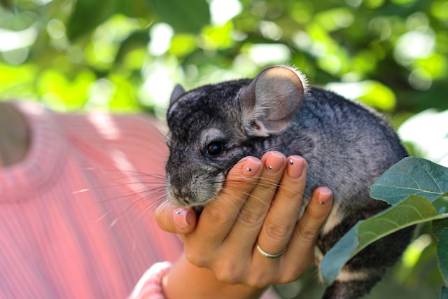
10 Adorable Fluffy Creatures to Brighten Your Day
Ever find yourself craving a warm, fuzzy hug? We've all been there. In times of stress and chaos, there's nothing quite like the comfort of cuddling up with the cutest and fluffiest critters nature has to offer.
BLOCK · en

Mini Robot: Uses, Costs, and Top Picks
Mini robots may be small in size, but they perform significant tasks in factories, classrooms, and homes. These compact machines, typically priced from $500 to $15,000, are designed to operate in areas where full-size robots cannot fit.
BLOCK · en
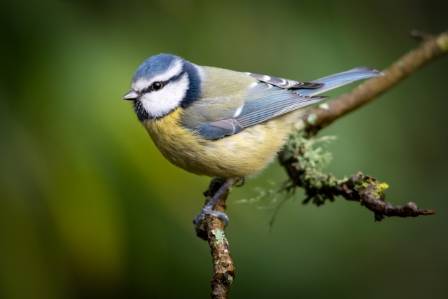
The Eurasian Blue Tit: A Comprehensive Profile
The Eurasian Blue Tit (Cyanistes caeruleus) stands out as one of Europe's most recognizable and beloved garden birds. This vibrant species demonstrates remarkable adaptability to various environments while maintaining fascinating behavioral characteristics that continue to captivate ornithologists and bird enthusiasts alike.
BLOCK · en
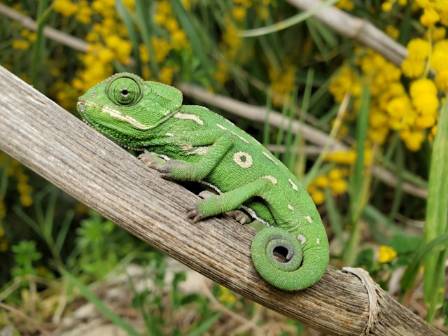
Amazing Lizards Inspire A New Smart Skin That Alters Color In Sunlight
A wild lizard can quickly alter its skin shade. This helps the creature blend into the background to hide from predators. It also allows the animal to stand out proudly. It can defend its home territory and attract a perfect mate. The animal makes this complex trick look very simple. It relies on special natural crystals hidden inside its skin. However experts have struggled for years to duplicate this trick. They could not create an artificial skin that shifts shades without altering its physical dimensions. A major scientific journal recently published a brilliant solution to this old problem. Talented chemists developed a highly flexible material. This artificial skin reacts to intense heat and bright light. Remarkably it keeps its exact original shape and volume during the transformation.
BLOCK · en

Easy DIY Cake Cups Recipe
This simple cake cups recipe is a must for every home baker! They’re an excellent option to prepare ahead, making them perfect for birthdays, outdoor parties, or any gathering. They’re endlessly versatile, and you can even use leftover cake scraps and frosting to prevent waste.
BLOCK · en
Understanding Minimalist Art: Why Less Is More
Picture this: you're tasked with explaining a concept in just ten words. A challenge, right? Now, consider explaining the same concept using a mere ten words, and you'll find yourself facing the essence of minimalism. In art, sometimes (or often), less truly is more.