Plaza story
The Most Beneficial Land Managers
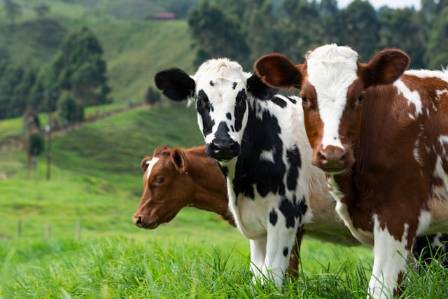
In the vast tapestry of Earth's ecosystems, few animals have played as crucial a role in shaping landscapes as grazing herbivores. Before the rise of modern civilization, millions of bison roamed the North American plains, their grazing patterns and movement behaviors working in concert with natural fire cycles to create and maintain healthy prairie ecosystems. Today, in the absence of these historic herds, cattle have emerged as unexpected but essential stewards of the land, providing numerous ecological benefits that extend far beyond their value as a food source.
Daniel Thomas
City note
Sunny tip
The full plaza write-up continues below on the positive pulse board.
Board
NYC Good News
In the vast tapestry of Earth's ecosystems, few animals have played as crucial a role in shaping landscapes as grazing herbivores. Before the rise of modern civilization, millions of bison roamed the North American plains, their grazing patterns and movement behaviors working in concert with natural fire cycles to create and maintain healthy prairie ecosystems. Today, in the absence of these historic herds, cattle have emerged as unexpected but essential stewards of the land, providing numerous ecological benefits that extend far beyond their value as a food source.
The Modern Replacement for Historic Herds
The disappearance of vast bison herds created an ecological void in grassland ecosystems that evolved under the constant pressure of grazing animals. Cattle have stepped into this role as the modern instrument of managed grazing, helping to maintain the health and balance of prairie environments. Just as bison once followed lightning-sparked fires that cleared old growth and stimulated new plant life, today's cattle under proper management help replicate these natural processes that are essential for maintaining functional grassland ecosystems.
Utilizing Otherwise Unproductive Lands
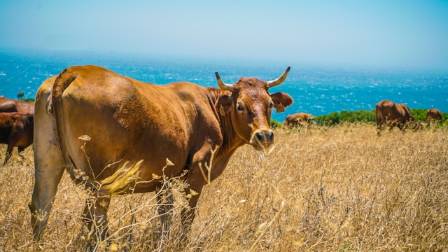
One of cattle's most significant ecological contributions lies in their ability to convert inedible plants into valuable protein. They graze on marginal lands with soils unsuitable for growing human food crops, transforming grasses that humans cannot digest into nutrient-rich beef. This efficient use of non-arable land represents a crucial aspect of sustainable food production, allowing fertile cropland to be dedicated to direct human food production while still maximizing overall agricultural output from diverse landscapes.
Completing the Nutrient Cycle
Cattle serve as mobile nutrient recycling systems within their environments. While plants remove nutrients from the soil as they grow, cattle return approximately 85% of the nutrients they consume back to the land through manure and urine. This natural fertilization process jumpstarts nutrient cycling, benefiting plants and the entire ecosystem. This closed-loop system contrasts with crop agriculture, where harvesting removes nutrients entirely from the land, requiring constant fertilizer inputs to maintain soil fertility.
Stimulating Plant Growth and Health
Contrary to intuition, plants often benefit from periodic grazing. Without grazing pressure, grassland plants can become stagnant and less productive. Well-managed cattle grazing, considering timing, frequency and duration, actually stimulates plant regrowth and maintains ecosystem vitality. This carefully balanced approach mimics the natural grazing patterns that these ecosystems evolved with, helping maintain the health and diversity of native plant communities.
Contributing to Carbon Sequestration
Perhaps surprisingly, cattle can play a role in addressing climate change through carbon sequestration. Grazing stimulates plants to develop deeper root systems, which in turn store more carbon and produce more organic matter in the soil. This process creates a healthier environment for soil microbes and enhances the soil's natural ability to capture and store atmospheric carbon, making cattle under proper management a potential tool for building soil health and mitigating climate change.
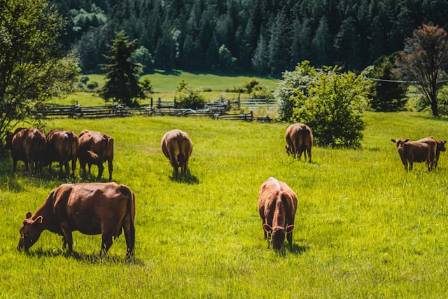
The story of cattle's relationship with the land is one of careful balance and managed interdependence. When properly integrated into agricultural systems, these animals become more than just food producers—they transform into essential components of healthy ecosystems. Their role in nutrient cycling, land utilization, and even carbon sequestration demonstrates that cattle, managed with ecological awareness, can contribute significantly to environmental sustainability while continuing to provide nourishment for human populations.
More from the plaza
BLOCK · en

Fascinating and Unique Insights Into the World of Penguins
Penguins are among the most recognizable and intriguing birds on the planet. While they are often associated with the icy landscapes of the poles, their history, biological adaptations, and social behaviors reveal a much more complex and surprising story.
BLOCK · en

3 Most Significant Meanings of Horsepower
Horsepower surpasses mere numerical value. It embodies a vehicle's power and performance, serving as a crucial metric in understanding its on-road behavior. The correlation is clear: more horsepower equates to swifter acceleration, while less horsepower contributes to enhanced fuel efficiency. Acquiring knowledge about horsepower empowers individuals to grasp the driving dynamics and overall feel of a car. A comprehensive understanding of horsepower equips individuals to make choices that promise exhilaration day after day on the road.
BLOCK · en

Festive Hanukkah Dessert: Cinnamon and Sugar Spiced Churros
This recipe yields approximately 16 pieces Churros are a cherished Spanish culinary legacy, frequently enjoyed in the evening alongside a cup of thick Mexican-style hot chocolate.
BLOCK · en

Understanding the Fundamentals of Caloric Equilibrium
The concept of caloric balance centers around the comparison of calorie intake with calorie expenditure. It plays a pivotal role in your overall health and physical fitness, as it dictates whether you maintain, gain, or lose weight over time. Remarkably, caloric balance isn't concerned with the origin of calories, whether they stem from proteins, carbohydrates, or fats; it's solely about the grand total of calories ingested versus calories expended.
BLOCK · en

10 Sedans With The Roomiest Interiors
When it comes to spaciousness, SUVs tend to outshine most other vehicles, offering ample room for both passengers and cargo. Take the Chevrolet Tahoe—its cavernous 168 cubic feet of passenger volume far exceeds what any sedan can deliver. However, comparing it to a full-size sedan isn’t entirely fair, as the Tahoe is a large, truck-based SUV.
BLOCK · en

Trang An Landscape Complex
Situated in Ninh Binh Province, in northern Vietnam, near the southern edge of the Red River Delta.