Plaza story
The Legacy of Peking Duck: A Culinary Masterpiece
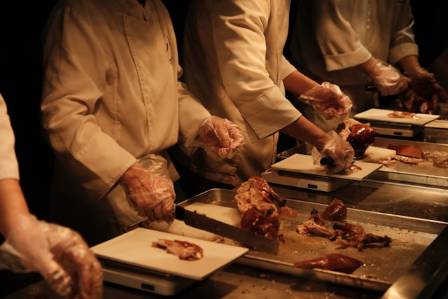
Peking duck is celebrated globally as a premier gastronomic achievement, serving as a cultural landmark for Beijing much like the ancient hutongs or the Forbidden City. The presentation is an art form; a master chef can expertly carve a single bird into over a hundred delicate slices. Tradition dictates that the experience begins with the crispy skin, often enhanced by a light dusting of sugar, followed by the succulent meat accompanied by a variety of traditional sides.
Elizabeth Ann Walker
City note
Sunny tip
The full plaza write-up continues below on the positive pulse board.
Board
NYC Good News
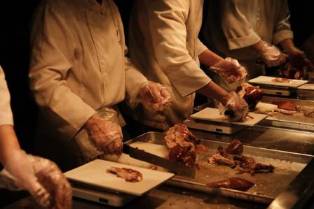
Peking duck is celebrated globally as a premier gastronomic achievement, serving as a cultural landmark for Beijing much like the ancient hutongs or the Forbidden City. The presentation is an art form; a master chef can expertly carve a single bird into over a hundred delicate slices. Tradition dictates that the experience begins with the crispy skin, often enhanced by a light dusting of sugar, followed by the succulent meat accompanied by a variety of traditional sides.
The Evolution of a Gastronomic Icon
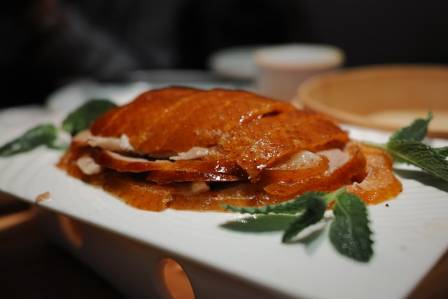
This legendary dish offers a captivating blend of textures and tastes, supported by a storied past and a meticulous preparation method. Imagine a chef maneuvering a cart to your table, presenting a bird with skin so smooth and glossy it resembles polished caramel. With precision, the chef removes strips of lacquered skin and tender meat. These are wrapped in thin pancakes pulled from bamboo steamers, spread with savory fermented bean sauce, and layered with crisp leeks and cucumbers. The result is a sensory delight: the richness of the duck balanced by the sharp sauce and cool vegetables.
Interestingly, despite its deep association with Beijing, the duck is a geographical outlier. Most of China’s famous duck preparations originated in the southern Jiangnan region, where the landscape is defined by rivers and ponds. In the dry climate of northern Beijing, mutton and pork are more common. However, Peking duck is the grand exception that has come to define the city's food identity.
Historical records suggest the dish began in Hangzhou during the 13th century before becoming a specialty in Nanjing. When the Ming Dynasty moved the capital to Beijing in the 1420s, the recipe traveled with the court. Over the centuries, Beijing breeders developed a specific type of white-feathered duck prized for its thin skin and delicate meat, which eventually surpassed the original southern varieties in fame.
Traditional Roasting Techniques
Early methods involved roasting birds on large metal forks over open flames. However, innovations in Nanjing led to the "menlu," or closed oven. This brick structure allowed chefs to burn fuel to embers, hang multiple ducks inside, and roast them using residual heat. While this method was popular for centuries and is still used by historic brands like Bianyifang, a new technique emerged during the Qing Dynasty.
The "gualu," or hanging oven, allowed chefs to roast ducks individually over an open fire fueled by fruitwood, such as pear or date wood. This method offered greater precision and is now the standard for high-end restaurants. In modern establishments near the Forbidden City, you can still see these fruitwood fires burning, with chefs carefully rotating each bird to ensure a perfect, uniform crispness.
This "hanging" technique was originally refined within the imperial palace kitchens. By the late 19th century, entrepreneurs like Yang Quanren brought these royal secrets to the public by founding the famous Quanjude restaurant. His establishment helped popularize the dish among the city's elite, surviving through wars and social upheavals to remain a flagship brand today.
The Art of Preparation and Service
Creating an authentic Peking duck is a rigorous process. Local ducks are fattened specifically for this purpose. After preparation, air is pumped between the skin and the meat to ensure the skin becomes taut and crispy during roasting. The birds are blanched with hot water, air-dried, and coated in a maltose syrup that produces a rich mahogany hue. Before entering the oven, a small amount of water is poured inside the cavity so the meat steams from within while the exterior roasts, keeping it juicy.
The service of the duck is highly ritualized. Using a specialized thin blade, the chef carves the bird into specific sections: the prime skin, "half-moon" slices containing both meat and skin, the head, and strips from the backbone. Beyond pancakes, the duck is often served with hollow sesame pastries that can be stuffed with meat. Garnishes typically include leeks, cucumbers, crushed garlic, and pickled greens.
Nothing is wasted in a traditional duck meal. After the primary carving, the remaining meat might be stir-fried with bean sprouts, and the bones are simmered into a rich, milky soup with winter melon or cabbage. The most elaborate "whole-duck banquets" even feature dishes made from the heart and gizzards.
While historic brands continue their traditions, the 21st century has seen the rise of new culinary stars. Modern chains have modernized the experience with glitzy interiors and innovative menus, turning the chefs themselves into celebrities. Although some purists debate the use of modern ovens versus traditional wood fires, the enduring popularity of Peking duck ensures its place as a timeless classic, now accessible to a much wider audience than the emperors of the past.
Simplified Home Preparation
While a traditional kitchen setup is complex, a modified version can produce impressive results at home. The key is allowing enough time for the skin to dry completely, which creates that signature parchment-like texture.
Ingredients and Setup
You will need a whole fresh duck (approximately 1.6–1.8kg). For the glazing syrup, prepare a mixture of sliced lemon, honey, dark soy sauce, and Shaoxing rice wine. For serving, gather Chinese pancakes, hoisin or sweet bean sauce, and spring onions.
Preparation Method
Start by simmering the syrup ingredients in water for about 20 minutes. Use a hook to hold the duck and repeatedly ladle the hot syrup over the skin until it is thoroughly coated. The bird must then hang in a cool, breezy area for at least four to five hours; using a fan can help speed up the drying process until the skin feels dry and papery.
Roasting and Serving
Begin roasting in a very hot oven (around 240°C) for 15 minutes, with a small amount of water in the roasting pan to manage drippings. Then, lower the heat to 180°C and continue roasting for over an hour until done. Prepare the spring onions by slicing them so they curl in ice water, creating decorative "brushes." After letting the duck rest for ten minutes, carve it into thin slices and serve immediately with the warm pancakes and savory sauces.
More from the plaza
BLOCK · en
How to Draw a Cat
Today we’ll create a charming cat illustration, perfect for kids or beginner artists who love animals. This guide will walk you through each stage of drawing a simple, yet cute cat, highlighting features like its delicate whiskers and expressive, flicking tail.
BLOCK · en

4 Benefits Of Watching The Sunset At The Beach That You Might Not Know
Immerse yourself in the luxurious experience of witnessing the enchanting beauty of a sunset—a tranquil moment that soothes the senses and offers profound benefits for both body and mind.
BLOCK · en

Famous Geometric Abstract Art
Geometric abstraction is a realm where visual structure transforms into deeper meaning—where lines, shapes, and blocks of color become tools for contemplation, contrast, and equilibrium. Its development spans from the radical artistic shifts of the early 20th century to the diverse and experimental forms seen today across canvases, installations, and digital media.
BLOCK · en

Incredible and Surprising Facts About Australian Kangaroos
No animal represents the wild spirit of Australia quite like the famous kangaroo. These adorable bouncing creatures are known across the globe. You might think you know everything about these unique marsupials. However they hide some truly mind-boggling biological secrets.
BLOCK · en

4 European Destinations to Witness the Aurora Borealis
Experience the mesmerizing Aurora Borealis like never before, as Europe offers an array of destinations with diverse trip options, ranging from self-guided adventures to cruises. Here are four places to witness this spectacular natural phenomenon:
BLOCK · en

Idyllic U.S. Small Towns That Transform into Winter Wonderlands
As the season transitions to winter, the allure of travel beckons. The good news is you don't need a passport to savor the magic of the upcoming chilly months. Across the United States, you'll discover a tapestry of snow-capped mountains, serene farmlands, cozy inns, and a myriad of outdoor activities. These picturesque small towns promise a winter escape that's nothing short of enchanting.