Plaza story
How to Draw Underwater Scenes with Various Media
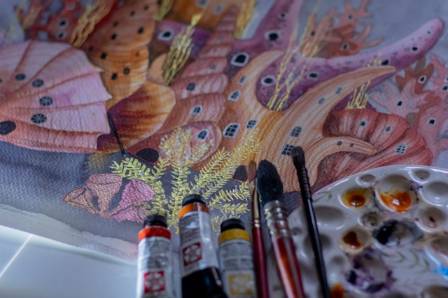
Exploring underwater scenes in art can be both magical and challenging. The aquatic world is full of vibrant colors, intricate shapes, and captivating light patterns, making it an inspiring subject for artists. To create a believable underwater illustration, you’ll need to consider composition, light, depth, and which plants and animals will populate your scene. Preparing your workspace and gathering the right tools is also essential.
Lucien Hart
City note
Sunny tip
The full plaza write-up continues below on the positive pulse board.
Board
NYC Good News
Exploring underwater scenes in art can be both magical and challenging. The aquatic world is full of vibrant colors, intricate shapes, and captivating light patterns, making it an inspiring subject for artists. To create a believable underwater illustration, you’ll need to consider composition, light, depth, and which plants and animals will populate your scene. Preparing your workspace and gathering the right tools is also essential.
Fundamentals of Realistic Underwater Art
Capturing underwater environments convincingly requires attention to texture, color, and the way light behaves beneath the surface. Shadows, contrast, and the illusion of space help transform a flat drawing into a three-dimensional scene. Differentiating the foreground from the background creates depth and brings your underwater world to life.
Finding References
Since you might not be able to observe real underwater locations, using reference images is crucial. References help you notice details and structures you might miss otherwise. Look for images of underwater landscapes and creatures on websites like:
Upsplash
Pexels
Google Images
Pixabay
Shutterstock
Always use these images as inspiration rather than copying them directly, ensuring your artwork remains original.
Sketching Your Scene
Begin by listing all the elements you want in your underwater drawing. On a separate sheet, experiment with small compositional sketches to explore layouts and generate ideas.
When you start your main drawing, sketch a line across the bottom to represent the seabed. Determine how much space it will occupy. Add seaweed, corals, and other aquatic plants before placing animals, which helps integrate creatures naturally into the scene.
Placing Marine Life
Once the seabed and plants are established, position your underwater creatures, such as fish, starfish, eels, or sharks. Start with light, simple outlines to define placement. After finalizing positions, add details like patterns and textures to individual creatures.
Creating Depth
Depth is essential to make your drawing appear three-dimensional. Use light and dark areas to suggest distance and space. Shading with the side of a pencil or placing smaller creatures in the background while keeping larger ones in the foreground enhances perspective and realism.
Pencil Techniques for Underwater Scenes
Begin with pencil sketches to experiment with composition, depth, and spacing. Pencil marks can be erased if necessary, making adjustments simple. Colored pencils allow you to layer and blend, creating texture and depth. Mechanical pencils provide precision, while hard leads like 2H are ideal for light underdrawings.
Hold the pencil perpendicular to the paper and vary pressure to achieve different effects. Avoid resting your hand on finished areas to prevent smudging, and consider line thickness, blending, and shading to add visual interest.
Watercolor for Underwater Art
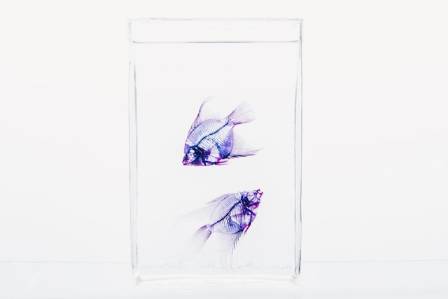
Watercolors can produce luminous and textured underwater scenes. You’ll need watercolor paper, brushes (sable, goat hair, or soft nylon), and paints, either in tubes or pans. Water-soluble pastels like Caran d’Ache Neocolor II can add vibrant accents.
Use different brushes for varied effects, control water to adjust pigment intensity, and work in layers from light to dark. Techniques such as splattering, blending, and layering enhance the underwater atmosphere.
Acrylic Painting Underwater
Acrylics are beginner-friendly, fast-drying, and versatile. You’ll need paints, brushes, and a suitable surface like canvas, wood, or paper. The Liquitex BASICS set offers a wide range of pigments.
Dry brushing adds texture, adding water softens edges, and stippling or flicking paint creates depth. Use sponges or small brushes for fine details, while palette knives can build texture and volume.
Digital Underwater Art
Digital tools provide flexibility for creating underwater scenes. Tablets like the Wacom CTL400, along with software such as Photoshop, Paint Tool SAI, CorelDraw, or Adobe Illustrator, offer a variety of brushes and blending options.
Photoshop is ideal for advanced editing, while SAI provides smooth lines and canvas flexibility. CorelDraw is beginner-friendly for vector graphics, and Illustrator excels in creating digital posters or illustrations. These tools allow artists to experiment without physical limitations.
Final Advice
Creating underwater art can be done with traditional pencils, watercolors, acrylics, or digital tools. Choose a medium that suits your style, whether layering colored pencils, blending watercolors, applying acrylic textures, or working digitally. Practice and experimentation are key to mastering composition, depth, and the luminous quality of underwater scenes.
With dedication and the right tools, your underwater drawings can capture the mesmerizing beauty of life beneath the waves, offering both personal satisfaction and visually stunning results.
More from the plaza
BLOCK · en

Painting an Autumn Landscape: Capturing New Zealand’s Arrowtown in Oil
There’s something magical about autumn landscapes—their warm, fiery hues, the crispness of light, and the quiet nostalgia they evoke. For me, that magic became deeply personal when my wife Chontele and I spent our honeymoon in Arrowtown, a charming town in New Zealand’s South Island just 10 minutes from Queenstown, back in April. The golden aspens, rust-colored underbrush, and vibrant blue skies left an indelible mark, inspiring the first painting in a series dedicated to that unforgettable trip: New Zealand, Autumn Colors. In this guide, I’ll walk you through my entire process—from the initial spark of inspiration to the final brushstroke—sharing the techniques, tools, and creative choices that brought this autumn scene to life. Whether you’re a beginner looking to learn oil painting fundamentals or an intermediate artist seeking to refine your landscape skills, this step-by-step breakdown offers practical insights rooted in hands-on experience. (I’ve also shared a timelapse video of the painting for a visual companion—check it out here.)
BLOCK · en

Vietnamese Fresh Spring Rolls
Fresh Vietnamese spring rolls are a light and refreshing alternative to fried appetizers, and they’ve become a popular favorite for many families. Filled with shrimp, rice noodles, and fresh herbs, these rolls are delicious when paired with flavorful dipping sauces. They are also perfect for parties since they can be prepared ahead of time.
BLOCK · en

Steps to a Happy, Colorful Home
Home has always represented comfort and belonging, but in 2020 it became even more central to our everyday lives.
BLOCK · en

The Velocity of Wolves: Unraveling the Speed of Different Wolf Subspecies
Wolves, the formidable predators of the animal kingdom, are renowned for their pack dynamics, keen instincts, and awe-inspiring physical prowess. Among their defining traits, speed stands out prominently. However, it's crucial to note that the velocity of these majestic creatures varies depending on their subspecies. Let's delve into the diverse world of wolves and their unique speeds.
BLOCK · en
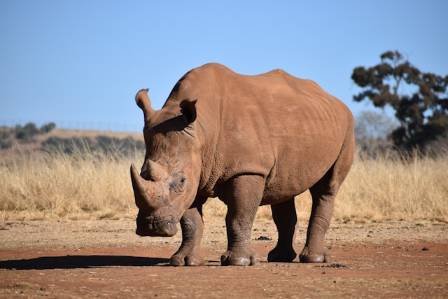
Seven Mind Blowing Secrets About Rhinos You Likely Never Knew
These animals are truly remarkable yet tragically rare today. We have gathered a collection of captivating insights about them. These creatures remain some of the most impressive beings on the planet.
BLOCK · en
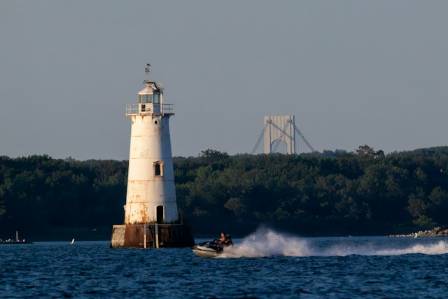
The Lighthouses Every Boater Should Visit in Narragansett Bay
Every boater can remember the first moment a lighthouse appeared on the distant horizon.