Plaza story
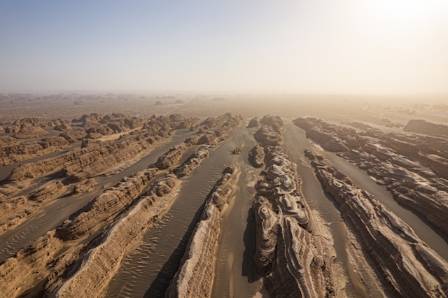
Desert Pavement: A Unique Wind-Formed Landscape
Aeolian landforms are natural features created by the action of wind on the Earth’s surface. These formations result from processes such as erosion, transportation, and the deposition of materials by moving air. Similar wind-related processes have also been observed and studied on other planets.
Isabella Thornfield
City note
Sunny tip
The full plaza write-up continues below on the positive pulse board.
Board
NYC Good News
What Is a Desert Pavement?
Aeolian landforms are natural features created by the action of wind on the Earth’s surface. These formations result from processes such as erosion, transportation, and the deposition of materials by moving air. Similar wind-related processes have also been observed and studied on other planets.
In areas with little vegetation, wind can easily reshape the landscape by carrying away loose materials and depositing them elsewhere. Aeolian landforms are especially common in dry environments such as deserts, where wind is the dominant force shaping the terrain.
These landscapes develop where wind erosion is the main geological process and where deposits are typically made up of sand, gravel, and small rock fragments. In some remote desert regions, intense erosion creates deflation areas. Desert pavements are one example of these aeolian features, along with other wind-created formations such as blowouts, yardangs, dunes, sand hills, and barchans.
Overview of Desert Pavements
A desert pavement is a thin, sheet-like layer of closely packed stones and rock fragments that remains after wind or water removes finer materials such as dust, sand, and loose sediment.
The surface is usually covered with rounded pebbles and small rocks tightly arranged together, with silt filling the spaces between them. These areas typically contain little or no vegetation because of the dry conditions and exposed rocky surface.
Desert pavements occur in many desert regions around the world and are known by different names depending on location. In Australia, they are called “gibber,” while in parts of North Africa they are known as “reg.” Other terms include “sai” and “serir.”
Once formed, a desert pavement acts like a protective layer over the ground. The tightly packed stones reduce the effects of wind and water erosion, helping preserve the older soils and rock surfaces beneath them.
Many desert pavements also have a coating known as desert varnish. This thin surface layer creates a dark brown or glossy appearance and contains minerals, including clay materials, that accumulate over long periods.
How Desert Pavements Form
Because desert pavement formation occurs extremely slowly, scientists have developed several theories to explain how these unique surfaces develop. Research from different desert locations has produced age estimates ranging from thousands to tens of thousands of years.
Although the exact process varies by location, most explanations involve the combined effects of wind, water erosion, weathering, and surface movement.
One widely accepted theory suggests that desert pavements form as wind and occasional rainfall gradually remove smaller particles, including sand and dust, leaving behind larger stones and gravel. Over time, these heavier fragments are rearranged by natural forces such as wind, rain, gravity, and animal activity until they create a tightly packed surface layer.
After the pavement develops, the remaining stones act as a protective barrier, reducing further erosion and preventing additional removal of fine materials.
Formation Through Clay Expansion and Contraction
Another explanation focuses on the behavior of clay beneath the surface. In this process, repeated cycles of wetting and drying cause clay layers to expand and shrink.
When clay absorbs water, it expands, and when it dries, it contracts and develops cracks along weaker areas. Larger stones on the surface are too large to fall into these cracks, while smaller particles move downward and fill the openings.
Over long periods, this process rearranges the surface materials and creates a stable layer of closely packed stones that forms a desert pavement.
Formation in Volcanic Landscapes
A third theory comes from studies of the Cima Volcanic Field, where desert pavements developed under different geological conditions.
In this area, the process begins with a surface layer of volcanic material that becomes exposed to weathering. Extreme temperature changes cause rocks on the surface to crack and break apart.
Fine sediment, such as silt, then moves into the spaces between the rock fragments and continues downward beneath the surface layer. As the sediment accumulates, it pushes the upper layer upward and creates a hardened, less permeable surface that protects the soil below from erosion.
Threats Facing Desert Pavements
Although desert pavements are durable natural formations, they are vulnerable to damage caused by human activity. Uncontrolled vehicle use, off-road driving, and improper road construction can disturb these fragile surfaces.
Because desert pavements develop over thousands of years, damaged areas recover extremely slowly and may never fully return to their original condition. Protecting these landscapes requires careful management and responsible use of desert environments.
More from the plaza
BLOCK · en

3 Enigmatic Mouse Species
In the realm of rodents, a subtle distinction lingers between mice and rats, encapsulating a myriad of differences notwithstanding their shared rodent heritage. A pivotal identifier rests in their size, where rats loom larger and heavier compared to their diminutive mouse counterparts. Enshrined as distinct species, the enigmatic array of mouse varieties beckons for closer scrutiny and exploration. Let us embark on a journey unraveling the tapestry of mouse diversity across different habitats and regions.
BLOCK · en
Artistic Strategies for Painting Suburban Streetscapes En Plein Air
This demonstration explores the process of capturing a street scene through direct observation. The featured artwork was created outdoors, or "en plein air," in a classic Australian residential neighborhood. Painting on location is an exceptional method for documenting the unique atmosphere of everyday life, serving as a visual journal of an artist's experiences.
BLOCK · en
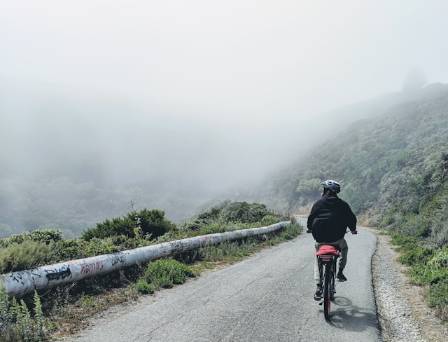
Exploring Seattle Southside: The Top 5 Biking Trails to Discover
Seattle Southside is a hidden gem for biking enthusiasts, offering a variety of trails that meander through vibrant urban environments and stunning natural landscapes. Whether you're looking for a leisurely ride or an invigorating workout, these trails have something for everyone. Here’s a curated list of the top five biking trails in Seattle Southside that you won’t want to miss.
BLOCK · en

3 Most Significant Meanings of Horsepower
Horsepower surpasses mere numerical value. It embodies a vehicle's power and performance, serving as a crucial metric in understanding its on-road behavior. The correlation is clear: more horsepower equates to swifter acceleration, while less horsepower contributes to enhanced fuel efficiency. Acquiring knowledge about horsepower empowers individuals to grasp the driving dynamics and overall feel of a car. A comprehensive understanding of horsepower equips individuals to make choices that promise exhilaration day after day on the road.
BLOCK · en
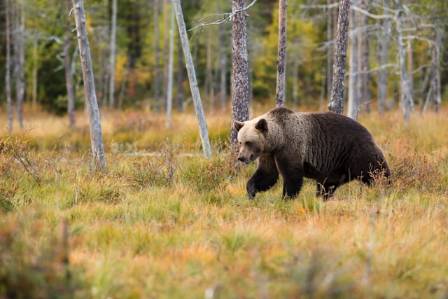
The Eight Bear Species of the World
The North American Black Bear is the most widespread bear species on the continent, inhabiting areas from Florida in the south, across Canada, and as far north as Alaska. Although its name suggests a black coat, this species can appear in several color variations, including black, bluish-black, brown, and the rare white Kermode or Spirit Bear found mainly in northwestern British Columbia, Canada. Black and brown color phases are the most commonly seen.
BLOCK · en

The Impact of Digital Technologies
Technology has the potential to make the world more equitable, peaceful, and just. Digital innovation can play a major role in advancing all 17 Sustainable Development Goals—from eliminating extreme poverty and lowering maternal and infant mortality to supporting sustainable agriculture, decent employment, and universal education. However, these same technologies can also pose risks, such as invading privacy, weakening security, and increasing inequality. They also raise important concerns about human rights and individual autonomy. As with past generations, governments, businesses, and individuals must decide how to responsibly develop and use these tools.