Plaza story
Learning To Fence: Getting Started In The Sport of Fencing
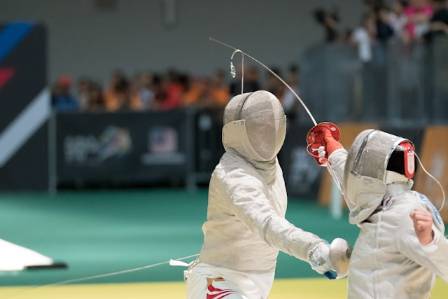
So you’re thinking about starting fencing. Maybe you first noticed it during the Olympics, or perhaps you grew up watching films like The Princess Bride. Whatever brought you here, fencing is an accessible sport that welcomes people of nearly every age and ability level. This guide will walk you through the basics of how to begin your fencing journey.
Alina Crowe
City note
Sunny tip
The full plaza write-up continues below on the positive pulse board.
Board
NYC Good News
So you’re thinking about starting fencing. Maybe you first noticed it during the Olympics, or perhaps you grew up watching films like The Princess Bride. Whatever brought you here, fencing is an accessible sport that welcomes people of nearly every age and ability level. This guide will walk you through the basics of how to begin your fencing journey.
If you’re looking for a broader introduction to the sport itself, there are more in-depth resources available, but here we’ll focus specifically on the practical steps for getting started.
Is Fencing a Good Fit for Me?
This is one of the most common questions beginners ask in different forms:
Am I too old to begin fencing?
Am I too tall or too short?
Am I not fit enough or coordinated enough?
The simple answer is no. Fencing is highly inclusive and can be learned by almost anyone. There are even adaptive formats such as wheelchair fencing, which has its own active and competitive community.
That said, physical traits can influence early progress. For example, taller athletes may initially find advantages in certain disciplines like épée, and individuals with existing fitness levels may adapt more quickly. However, as training continues, technique, strategy, and experience become far more important than natural physical advantages.
With time, fencers learn how to adapt to different body types, styles, and speeds. They also improve conditioning so they can maintain performance throughout matches.
At elite levels, such as Olympic qualification, fencing becomes extremely demanding physically. Top competitors train at an intensity comparable to other high-performance athletes. But at its core, fencing remains accessible to beginners of all backgrounds.
How to Find a Fencing Club
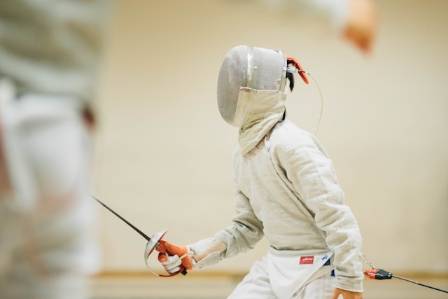
Once you decide to try fencing, the next step is locating a local club. There are a few useful ways to do this:
A fencing club directory or locator tool
The official national fencing organization’s club search tool
A general online search using your city name plus “fencing club”
Each method has strengths and weaknesses. Official directories are authoritative but may contain outdated or inaccurate address information. Community-based listings are often more curated but may not always be fully up to date. Search engines can help you discover additional options, including clubs hosted in community centers or satellite training locations.
After identifying nearby clubs, it’s important to verify details independently. Check their websites or social media pages to confirm meeting times, class locations, and program details. Some clubs operate across multiple venues, which may not always be clearly listed in directories.
If you still cannot find a nearby option, reaching out to fencing communities or forums can be helpful. Because fencing is a smaller sport, practitioners are often very willing to help newcomers find training opportunities. In some cases, you may need to travel to a larger nearby city to find a suitable club.
Starting Beginner Classes
After selecting a club, the next step is contacting them to learn about their beginner program. Almost every fencing club offers introductory classes, but the structure can vary widely.
Here are some useful questions to ask:
Are beginner classes open enrollment, or do they start on specific dates?
Is equipment provided, or do I need to bring my own gear?
Is beginner equipment included in the course fee?
What opportunities are available after completing the beginner program?
Does the club specialize in a specific weapon?
Understanding post-beginner options is especially important. Some clubs focus on a single fencing discipline, while others offer training in multiple weapons. Additionally, clubs may differ in their emphasis on recreational fencing versus competitive training.
If you prefer a competitive pathway, or alternatively a more casual experience, it’s important to know whether the club aligns with your goals before committing.
Final Thoughts
Once you find a club and sign up for your first class, you’re ready to begin. Your coach will be the best source of guidance moving forward, as they can tailor advice to your specific situation.
Fencing is a sport that grows with you. Whether your goal is recreation, fitness, or competition, the first step is simply showing up and giving it a try.
More from the plaza
BLOCK · en

Fascinating and Unique Insights Into the World of Penguins
Penguins are among the most recognizable and intriguing birds on the planet. While they are often associated with the icy landscapes of the poles, their history, biological adaptations, and social behaviors reveal a much more complex and surprising story.
BLOCK · en

Exceptional Marine Art: Inspiring Oceanic Masterworks
Marine art, frequently celebrated via seascapes, has captivated the creative minds of countless artists over the centuries. The coastline, with its ever-changing temperaments and stunning panoramas, ranks among the most potent sources of inspiration in the natural world. Artists are drawn to the ocean’s capacity to embody both serene waters and fierce, untamed energy—traits that mirror life’s inherent duality. From the soft ripple of waves along a quiet shoreline to the dramatic surge of a tempestuous sea, the ocean provides an inexhaustible well of creative stimulation. Caspar David Friedrich’s “The Monk by the Sea” presents a stark portrayal of sea and sky, underscoring humanity’s insignificance in the face of nature’s grandeur.
BLOCK · en

Overview: My Personal Selection of Top 5 Professional Colored Pencils
In this article, I’ll be sharing my personal top five picks for professional-grade colored pencils. This list follows up on my earlier ranking of budget-friendly colored pencils. Now, while I'm not entirely sure if this classification is formally endorsed by any official organizations like the UK Colored Pencil Society or the Colored Pencil Society of America, I’ve come to distinguish between “Artist Grade” and “Artist Quality” pencils based on years of hands-on testing and experience.
BLOCK · en

Steps to a Happy, Colorful Home
Home has always represented comfort and belonging, but in 2020 it became even more central to our everyday lives.
BLOCK · en

Best 4-Seater Convertibles in 2026
The best 4-seat convertibles strike a strong balance between performance, comfort, and overall value. Unlike traditional roadsters that only accommodate a driver and one passenger, four-seat cabriolets allow you to enjoy open-air driving with up to three additional passengers.
BLOCK · en
Essential Methods for Growing Healthy Moth Orchids
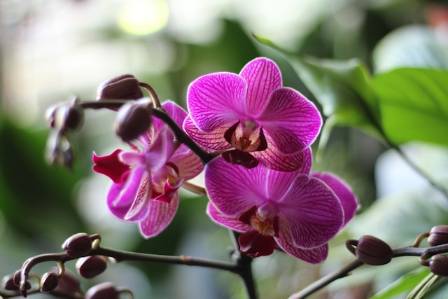
Cultivating the popular moth orchid is a highly rewarding endeavor once you understand its unique nature. In their natural habitats, these plants are epiphytes, meaning they grow perched upon tree branches completely out of the soil. Because their roots are designed to breathe open air rather than sit in dense earth, managing the balance of moisture, airflow, and light is the most crucial skill for a indoor grower to master. By focusing on a few fundamental care strategies, you can easily keep these stunning tropical flowers thriving in a typical home environment.