Plaza story
Nature’s Beach Umbrellas
Along tropical coastlines where sand meets sea, one silhouette rises again and again—tall, swaying, unmistakable. The coconut palm is more than a postcard motif. It is a living emblem of coastal life: equal parts beauty, resilience, and utility. Whether standing in tight ranks or arching alone over tidal shallows, these trees shape the very identity of islands. They cast more than shadows; they cast history, memory, and quiet protection.
Marisa Hale
City note
Sunny tip
The full plaza write-up continues below on the positive pulse board.
Board
NYC Good News
Along tropical coastlines where sand meets sea, one silhouette rises again and again—tall, swaying, unmistakable. The coconut palm is more than a postcard motif. It is a living emblem of coastal life: equal parts beauty, resilience, and utility. Whether standing in tight ranks or arching alone over tidal shallows, these trees shape the very identity of islands. They cast more than shadows; they cast history, memory, and quiet protection.
Sentinels by the Sand
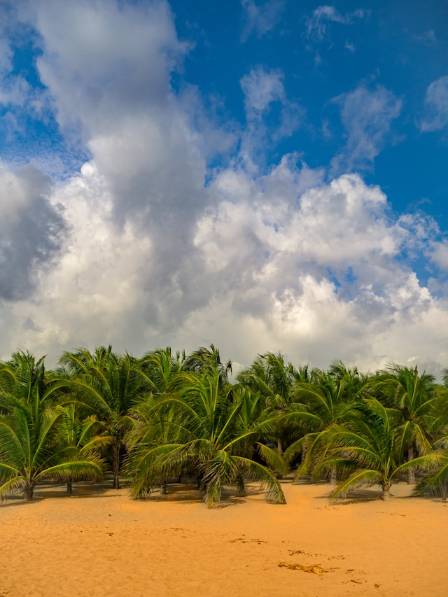
On one golden shore, a dense line of palms stretches across the horizon, each frond fluttering like a green flag in the warm sea wind. Beneath them, the sand glows with the late-afternoon sun, and the forest of trunks feels almost ceremonial—like a natural colonnade guarding the coast. These trees don’t just survive here; they belong here.
The Bent One Speaks
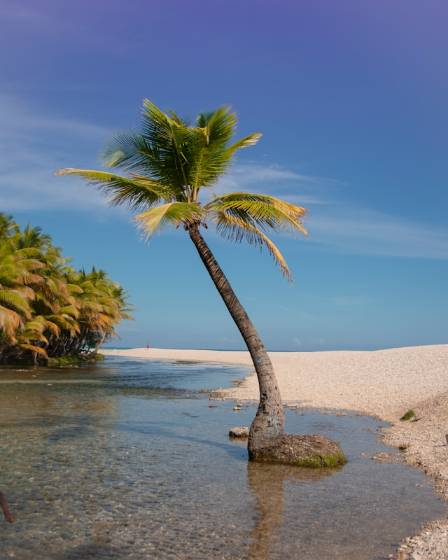
In contrast, just beyond a tidal stream, a single palm stands apart—curved like a bow, reaching toward the sea. Its silhouette speaks of time, of light, of longing. The tree’s lean is no accident—it’s the result of phototropism, the slow stretching of life toward the sun. Year by year, its trunk bends forward, a gesture both graceful and determined.
It feels like a quiet witness: to the tides, to storms, to stories whispered in the surf.
Where Function Meets Fantasy
But the palm is more than decoration. It is a coastal engineer, a food source, and a cultural icon. Naturalists, like those aboard Lindblad Expeditions, remind us that its root systems stabilize fragile beaches. Its shade shelters seedlings. Its fruit, husk, wood, and leaves sustain communities across the tropics.
To many island peoples, the coconut tree is not just useful—it’s sacred. It’s sung about, danced around, and carved into ritual tools. It gives, and gives, and gives.
Holding Secrets in the Breeze
These trees are silent but not mute. The grooves in their trunks are records of time. The palms flutter like pages. Their shade has cooled fishermen, wanderers, and storytellers. Beneath them, lovers have rested and storms have passed.
They are living archives of their coastlines.
Nature’s Design, Timeless Grace
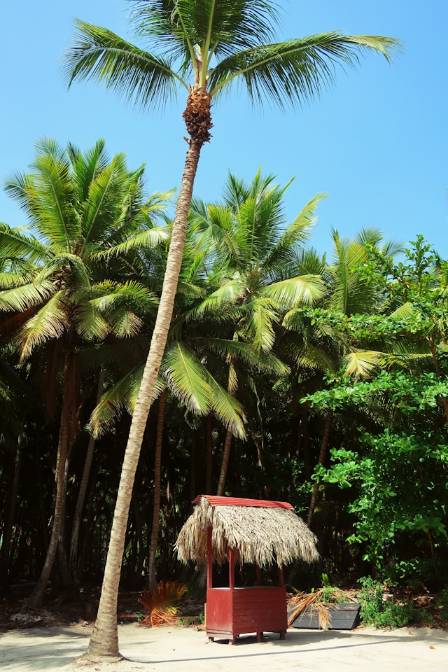
Whether rising in groves beneath vast skies or curving alone into the breeze, coconut palms are nature’s original beach umbrellas. They shield the shore, offer sustenance, and create a rhythm in the landscape that feels both eternal and intimate.
So the next time you spot one swaying beside the sea, remember: it is more than a tree. It is a witness, a protector, and a gift from the ocean’s edge.
More from the plaza
BLOCK · en
Mochi: From Ancient Japanese Tradition to Global Ice Cream Sensation
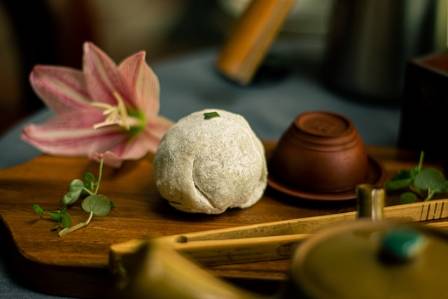
My/Mochi Ice Cream has taken the global snack scene by storm, captivating taste buds with its delightful combination of chewy sweet rice dough and creamy premium ice cream. This innovative treat has become a beloved indulgence worldwide, making “mochi” a household name synonymous with a fun, portable ice cream experience. Yet, few may realize that the word “mochi” carries a far richer, more profound history rooted in Japanese culture—one that stretches back centuries, woven into rituals, social hierarchies, and daily life. Beyond the trendy ice cream wrapper lies a food with deep cultural significance, a symbol of sustenance, good fortune, and tradition. As we explore what mochi truly is, its place in Japanese society, and its journey from ancient ritual to modern snack, we uncover a story that connects past and present in every sticky, sweet bite.
BLOCK · en

An Introductory Guide to the Art of Paper Cutting
As part of our mission to encourage the exploration of new artistic techniques, we are sharing insights into one of our favorite crafts: paper cutting. This art form is celebrated not only for its beautiful results but also for the meditative focus it requires. Engaging in a paper cutting project allows you to disconnect from daily stressors and immerse yourself in a relaxing creative flow. While it may take a few sessions to find your rhythm, the sense of tranquility it provides is immense.
BLOCK · en

Understanding the Fundamentals of Caloric Equilibrium
The concept of caloric balance centers around the comparison of calorie intake with calorie expenditure. It plays a pivotal role in your overall health and physical fitness, as it dictates whether you maintain, gain, or lose weight over time. Remarkably, caloric balance isn't concerned with the origin of calories, whether they stem from proteins, carbohydrates, or fats; it's solely about the grand total of calories ingested versus calories expended.
BLOCK · en

10 Must-Try Refreshing Summer Drinks
Beat the heat with these vibrant summer beverages featuring tropical fruits, fresh berries, and cooling herbs. From spirited cocktails to family-friendly mocktails, there's something here for every warm-weather occasion.
BLOCK · en

The Lighthouses Every Boater Should Visit in Narragansett Bay
Every boater can remember the first moment a lighthouse appeared on the distant horizon.
BLOCK · en
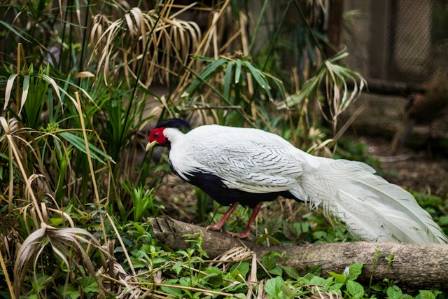
Silver Pheasant: A Striking Bird of Beauty and Speed
The silver pheasant is famous for its striking breeding-season courtship behavior. During the display, the male rapidly flutters his wings, creating a characteristic drumming noise that can carry over a considerable distance. The species has also held an important place in East Asian culture for centuries. It frequently appears in traditional Chinese artwork and poetry and was sometimes given the name “White Phoenix.”