Plaza story
An introduction to the art technique Ink wash painting
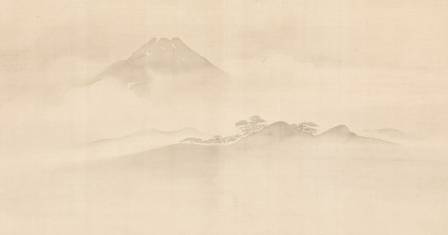
Ink wash painting, known as “sumi-e” in Japan and “shui mo hua” in China, is an ancient art form with a rich legacy spanning over a millennium. It first emerged in China during the Tang Dynasty (618–907 AD), developing as a distinct artistic expression. Early practitioners drew inspiration from calligraphy, emphasizing the fluidity and emotive quality of brushwork.
Rowan James
City note
Sunny tip
The full plaza write-up continues below on the positive pulse board.
Board
NYC Good News
Ink wash painting, known as “sumi-e” in Japan and “shui mo hua” in China, is an ancient art form with a rich legacy spanning over a millennium. It first emerged in China during the Tang Dynasty (618–907 AD), developing as a distinct artistic expression. Early practitioners drew inspiration from calligraphy, emphasizing the fluidity and emotive quality of brushwork.
As the technique matured, it became a vehicle for conveying philosophical ideas, particularly those rooted in Daoism and Buddhism, which celebrated simplicity and harmony with the natural world. During the Song Dynasty (960–1279 AD), ink wash painting evolved to depict atmospheric landscapes, with artists exploring the subtle interaction of light and shadow.
Renowned painters such as Fan Kuan and Guo Xi became famous for their evocative portrayals of mountains and rivers, capturing both the grandeur and the mood of nature. Over successive dynasties, the art form incorporated new stylistic approaches while maintaining its philosophical core. By the 14th century, ink wash painting had reached Japan, where it influenced Japanese aesthetics and inspired unique interpretations like the Zen-influenced “sumi-e.”
Materials and Tools
The materials used in ink wash painting are central to its delicate, expressive quality. Traditional ink is made from soot mixed with water and a binding agent, typically ground on an ink stone with a brush. Artists can achieve a wide spectrum of greys and blacks by adjusting water levels. High-quality ink provides richer tones and depth, enhancing the final piece.
Brushes, usually made from animal hair such as goat, wolf, or rabbit, allow artists to execute both fine lines and broad washes. The resilience and flexibility of these brushes are crucial for expressive mark-making. Painting surfaces are generally rice paper or silk; rice paper is prized for its absorbency, which captures the fluidity of brushwork beautifully.
Techniques
Ink wash painting features methods that create its signature aesthetic.
Wet-on-wet: Applying wet ink to damp paper for soft, blended edges and a sense of depth.
Wet-on-dry: Applying wet ink to dry paper for sharp, defined lines.
Layering: Successive washes build tonal complexity, starting light and gradually adding darker shades.
Splattering/dripping: Creates texture and dynamism, often reflecting the artist’s emotional state.
Mastery of these techniques requires practice and a deep understanding of ink behavior on different surfaces.
The Role of Brushwork
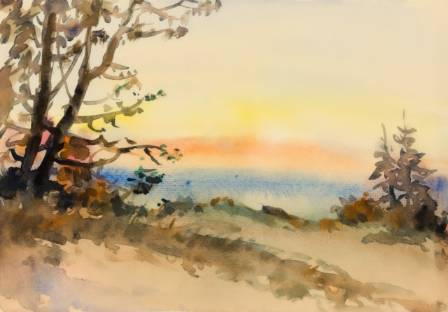
Brushwork is central to ink wash painting, both technically and expressively. Each stroke can convey mood, from serenity to turbulence. Gentle, sweeping strokes suggest calm, while quick, jagged lines convey energy or tension. This philosophy aligns with the idea that brushstrokes reflect the artist’s inner world.
Brush control is closely tied to Chinese calligraphy principles—balance, rhythm, and flow. Artists often train extensively in calligraphy to gain the precision and spontaneity needed to create compelling ink wash works. The tension between control and freedom in brushwork is what gives the art its vitality.
Common Subjects
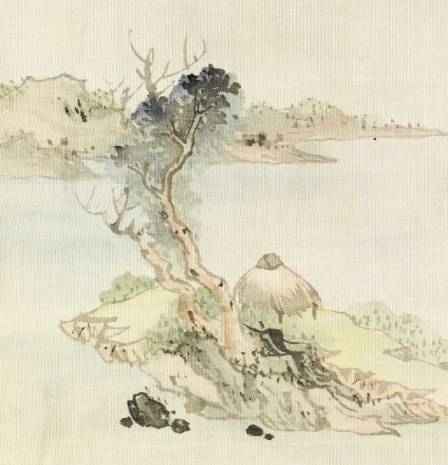
Traditional subjects often draw from nature, literature, or philosophy. Landscapes are especially prominent, with mountains, rivers, and trees symbolizing strength, endurance, and harmony. Flora, fauna, and mythical figures are also common, often carrying deeper symbolic meaning.
Human figures in contemplative poses or scenes illustrating moral lessons reflect spiritual and philosophical themes. The simplicity of these subjects encourages viewers to reflect and engage with the work on a personal level, which is part of the art form’s lasting appeal.
Notable Artists
Zhang Daqian (1899–1983): Famous for blending traditional techniques with modern influences, producing vibrant landscapes rich in movement and life.
Sesshū Tōyō (1420–1506): A Japanese monk-painter whose minimalist, Zen-inspired works, like “Winter Landscape,” emphasize simplicity and contemplation.
These artists exemplify the versatility and depth of ink wash painting, inspiring both traditional and contemporary practitioners.
Modern Uses
Today, ink wash painting is experiencing renewed interest. Contemporary artists often combine traditional methods with modern media or digital techniques, creating innovative works that resonate with today’s audiences while respecting the art form’s heritage.
Globally, educational programs now teach both classic and modern approaches to ink wash painting, helping students develop creativity, mindfulness, and personal expression. This ongoing evolution ensures that ink wash painting remains vibrant and relevant.
Tips for Beginners
Practice consistently to develop control over brush strokes.
Experiment with different surfaces and techniques to understand ink behavior.
Study masterworks to learn composition, balance, and emotional expression.
Embrace spontaneity; mistakes can lead to unexpected, beautiful outcomes.
By approaching ink wash painting with curiosity and openness, beginners can cultivate their own style while honoring this centuries-old artistic tradition.
If you are interested in exploring other artistic approaches for comparison, the works of innovators like Pablo Picasso, who experimented across various media and styles, can offer insights into blending tradition with modernity in creative practice.
More from the plaza
BLOCK · en
The Changing Nightscape in the Era of Urban Transformation
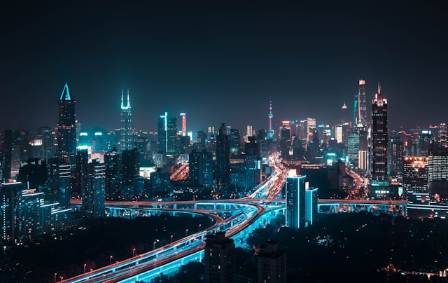
A recent photographic study of a coastal landscape at night provided a poignant introduction to a scholarly dialogue regarding the intersection of metropolitan environments and historical analysis. The visual scene depicts a dusky environment where trees and residential architecture are illuminated by scattered lamps, while a distant city appears as a glowing silhouette against the horizon. This image effectively highlights how contemporary urban areas are now visually distinct from natural landscapes due to the pervasive reach of nocturnal lighting. Investigating the history of nighttime illumination reveals how this phenomenon has long been overlooked, despite being a constant presence in the daily lives of global populations.
BLOCK · en

Unlocking the Therapeutic Secrets of the Sea: Scientifically Validated Reasons for Seaside Bliss
Embarking on a coastal retreat isn't just a leisurely escape; it's a holistic tonic for your body and mind. The allure of the sea is more than just a picturesque setting—it's a scientifically proven source of well-being. Here are five evidence-backed reasons explaining the profound benefits of the sea on your overall health
BLOCK · en
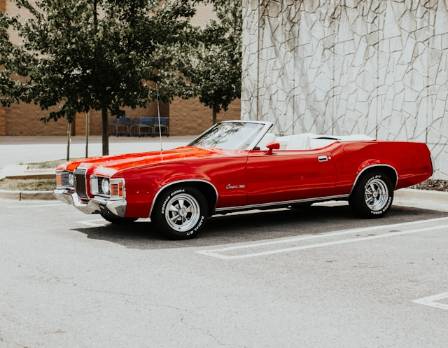
10 of the Best Convertibles in History
Driving on the open highway can feel peaceful and calming, or intense and thrilling depending on how much pressure you put on the accelerator. But regardless of pace, there’s one type of car that consistently delivers maximum enjoyment: the convertible.
BLOCK · en
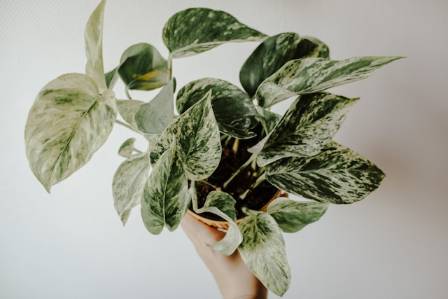
Pothos as a Houseplant
Pothos (Epipremnum aureum) is one of the most popular indoor foliage plants because it is adaptable, durable, and extremely simple to care for. This tropical climbing vine originates from the Solomon Islands and is also commonly known as Devil’s Ivy. It has been grown commercially for more than a century and can now be found in homes, offices, and many public spaces around the world. Because of its forgiving nature, pothos is an excellent choice for beginners who are just starting their houseplant journey.
BLOCK · en

RV and Campervan Types Explained: A Complete Guide
Planning your first campervan or RV road trip can be overwhelming, but choosing the right vehicle doesn’t have to be. This guide breaks down the most common types of campervans, motorhomes, and towable trailers, highlighting their core features, pros and cons, and ideal use cases—perfect for families, couples, solo travelers, and beginners. Whether you’re craving off-grid adventures, quick urban getaways, or extended family trips, Indie Campers offers a wide range of well-maintained vehicles with flexible booking options to match every travel style.
BLOCK · en

Floating Cream on Coffee
Creating the perfect cup of coffee is a journey that many people enjoy refining over time. For those who like adding cream, getting that smooth, elegant layer floating on top can transform an ordinary drink into something visually stunning and indulgent. Achieving this effect isn’t just about pouring—it involves understanding a bit of science along with proper technique. Here’s a refreshed guide to help you master it.