Plaza story
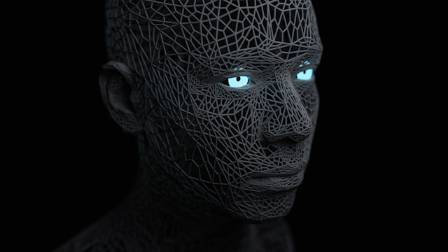
Exciting Digital Human Modelling Possibilities
The development of artificial intelligence, computational modelling, and simulation technologies has significantly improved the ability to test “what-if” scenarios during product design and development across many industries.
Olivia Bennett
City note
Sunny tip
The full plaza write-up continues below on the positive pulse board.
Board
NYC Good News
The development of artificial intelligence, computational modelling, and simulation technologies has significantly improved the ability to test “what-if” scenarios during product design and development across many industries.
At the center of this progress is Digital Human Modelling (DHM), a technology that creates computer-based representations of humans, including their physical attributes and diverse characteristics, for virtual analysis and design.
Digital human models are widely used to support innovation in fields such as automotive engineering, aerospace, fashion design, and healthcare. Although DHM has existed for many years, its capabilities and real-world uses continue to expand rapidly. A deeper exploration of its applications reveals how influential this technology has become in modern research and industry.
Why Digital Human Modelling is Important
“DHM fundamentally relies on computational methods to recreate and simulate the human body in a detailed and comprehensive way,” explains Professor Sofia Scataglini, a biomedical engineering specialist and leading researcher in digital human simulation.
According to Scataglini, these virtual human models can be combined with other digital systems to evaluate and design products, environments, and workplaces in relation to human interaction. This makes it possible to better understand how people physically engage with different systems and designs.
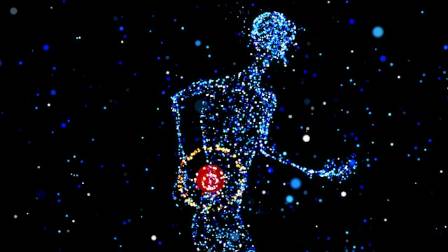
The potential applications are extensive. In healthcare and medical research, DHM is being used alongside 4D body scanning technologies that capture not only body shape but also movement and posture changes over time. This approach, known as 4D anthropometric analysis, allows researchers to study motion tasks such as walking patterns or posture adjustments in a completely non-invasive way.
In addition, DHM can be applied in virtual environments for personalized learning systems and interactive simulations. It is also used in biomechanical modelling of the musculoskeletal system, supporting advanced research simulations. When combined with artificial intelligence, DHM enables predictive modelling that can assist in medical diagnostics and clinical decision-making.
Beyond these areas, the technology is also being incorporated into chatbots, smart medical devices, and other digital systems.
The Role of Human-Centred Design
Because digital human models are often used in products and systems directly operated by people, human-centred design is closely linked to DHM applications. Accurate human simulation helps designers better understand user difficulties by reflecting real body shapes, movements, and limitations.
Experts like Scataglini emphasize that human-centred design ensures the needs, abilities, and accessibility requirements of different user groups are properly considered. This approach is especially important when designing technologies for elderly users or individuals with limited technical experience.
For example, older adults may face challenges when interacting with modern digital systems. DHM can help designers identify these barriers and develop more accessible solutions. It can even support the creation of intelligent interfaces that act as virtual assistants, potentially modeled after familiar voices or digital representations of caregivers or family members, helping users feel more comfortable and supported.
The Need for Standardization
As DHM and human-centred technologies continue to develop, standardization becomes essential to ensure compatibility, safety, and reliability across different applications and industries, particularly in healthcare.
Organizations such as the International Electrotechnical Commission (IEC) play an important role in establishing these standards. The joint IEC and ISO committee SC 41 focuses on Internet of Things (IoT) standards, helping ensure consistent performance and interoperability across technologies.
Professor Scataglini actively contributes to these international standardization efforts through her involvement with national, European, and global organizations such as NBN, CENELEC, ISO, and IEC. She also promotes knowledge sharing and collaboration by organizing an annual International Congress on Digital Human Modelling and publishing influential academic works, including her recent book on human-centred design in healthcare innovation.
Her outstanding contributions to research and technological advancement in this field have earned her recognition and awards for excellence in scientific achievement.
More from the plaza
BLOCK · en

Why Autumn Leaves Are a Hidden Treasure for Your Lawn
While raking leaves might seem like a seasonal chore, those colorful layers are actually a powerful gift to your yard. Instead of bagging them for municipal pickup, consider keeping them around. As they decompose, leaves release valuable minerals like potassium and phosphorus that enrich your soil.
BLOCK · en

How is beach sand created?
Many tropical islands are surrounded by beaches covered in brilliant white sand. Hawaii, however, offers beaches in a remarkable range of colors, including white, black, green, and red. Bermuda is known for its pinkish sand, while sandy brown is the most common color found along beaches around the world. But what causes these differences in color? Why does some sand feel smooth and powdery while other sand feels coarse beneath your feet? And how does beach sand form in the first place?
BLOCK · en

Eagles: Masters of the Sky
Eagles—just the name brings to mind strength, freedom, and razor-sharp vision. These impressive birds of prey dominate the skies across much of the world, inspiring awe with their hunting skill and commanding presence. This guide explores the fascinating world of eagles, covering their biology, behavior, ecological importance, and cultural meaning.
BLOCK · en
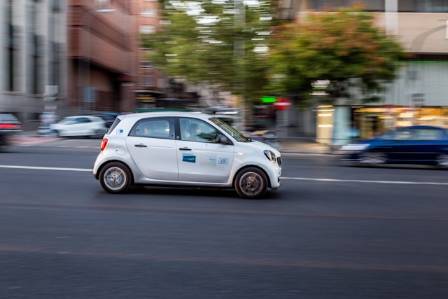
All About Smart Cars
Smart Cars are widely recognized for their compact size, fuel efficiency, modern design, and unique appearance. Many people see them as environmentally friendly vehicles that are perfect for urban environments. However, the story behind Smart Cars and the technology that makes them different is just as interesting as their appearance.
BLOCK · en

Leifeng Pagoda: A Timeless Landmark by West Lake
Standing on the south bank of West Lake in Hangzhou, Leifeng Pagoda has become one of China’s most evocative and beloved towers.
BLOCK · en

The Painted Bunting: A Colorful Reminder
If there is one thing I have learned from spending decades observing wildlife, it is that nature is always moving and evolving. People often assume that landscapes, animals, and opportunities will remain unchanged, but the natural world is constantly shifting. Change is not unusual in nature; it is one of its most fundamental characteristics.