Plaza story
All About Smart Cars
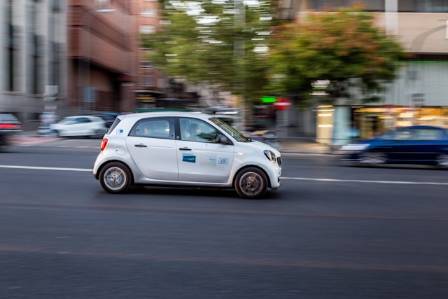
Smart Cars are widely recognized for their compact size, fuel efficiency, modern design, and unique appearance. Many people see them as environmentally friendly vehicles that are perfect for urban environments. However, the story behind Smart Cars and the technology that makes them different is just as interesting as their appearance.
Theo Morgan
City note
Sunny tip
The full plaza write-up continues below on the positive pulse board.
Board
NYC Good News
Smart Cars are widely recognized for their compact size, fuel efficiency, modern design, and unique appearance. Many people see them as environmentally friendly vehicles that are perfect for urban environments. However, the story behind Smart Cars and the technology that makes them different is just as interesting as their appearance.
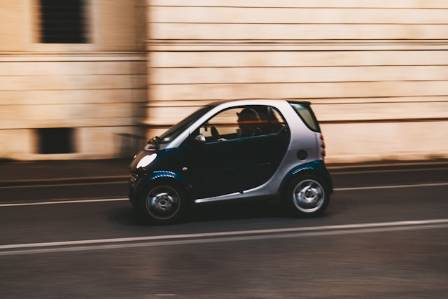
The Smart City Coupe measures slightly over 8 feet in length, under 5 feet in width, and around 5 feet in height. Whether you are considering buying an economical vehicle or simply want to understand why these small cars gained worldwide attention, exploring the development of Smart Cars provides insight into how they changed modern transportation.
The Beginning of Smart Cars in the 1990s
The idea behind the Smart Car came from Nicholas Hayek, the founder of Swatch watches. He envisioned a small, affordable, and fuel-saving vehicle that could easily navigate crowded streets and fit into limited parking spaces.
Hayek partnered with Mercedes-Benz, which created a concept vehicle in 1994. Through a company called Micro Compact Car, the development team introduced the City Coupe at the 1997 Frankfurt Motor Show.
However, Hayek became dissatisfied with several aspects of the project, including the traditional engine design, expensive production costs, and disappointing early sales results. As a result, he eventually left the partnership. Today, Smart Cars are controlled by Daimler AG, the German automotive company responsible for the brand’s continued development.
Smart Cars Enter the Market in the 2000s
Smart Cars officially expanded into the American market during the late 2000s. In 2007, Smart USA was established as part of the Penske Automotive Group, allowing the vehicles to be introduced and sold across the United States.
The U.S. became the 37th country where Smart Cars were available. However, their arrival coincided with a period of economic difficulty, as the recession affected consumer purchasing habits and caused sales numbers to decline.
Safety Concerns and Limitations of Smart Cars
One of the biggest challenges faced by Smart Cars has been concerns regarding safety. Because of their extremely small size and lightweight construction, some drivers questioned their ability to handle serious collisions compared with larger vehicles.
Testing has shown that Smart Cars can be less stable than bigger vehicles when traveling at higher speeds. For this reason, they are generally considered most suitable for urban environments where driving speeds are lower and distances are shorter.
Smart Car Design and Technology
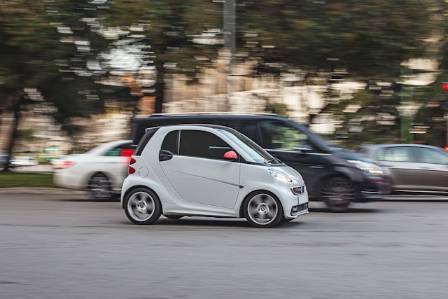
Unlike traditional vehicles that place the engine at the front, Smart Cars position the engine in the rear area of the vehicle. This unique layout helps maximize interior space while maintaining the car’s compact dimensions.
To improve protection, Smart Cars use a strong Tridion steel safety structure that surrounds the passenger compartment. This safety cell is designed to provide strength during collisions and has performed effectively in crash testing.
The vehicle also includes a front crumple zone that absorbs impact energy during accidents. Another interesting feature is the use of replaceable and recyclable exterior panels, allowing owners to change the appearance or color of their vehicles without replacing the entire body.
The Smart Car’s small engine delivers around 61 horsepower. It can accelerate from 0 to 60 mph in approximately 15 seconds, with a maximum speed of about 84 mph.
Benefits of Owning a Smart Car
Despite some limitations, Smart Cars continue to attract drivers because of rising fuel costs, environmental awareness, and the challenges of parking in crowded cities.
The Smart Fortwo model is designed for two passengers and provides a small storage area in the rear that can hold several compact bags. Its greatest advantage is fuel efficiency, making it especially appealing for city commuters.
The Smart Fortwo can achieve approximately 46.3 miles per gallon during city driving and around 68.9 miles per gallon on highways. These impressive efficiency figures have helped Smart Cars become especially popular in Europe and Japan, where compact vehicles are widely accepted.
Although Smart Cars have had a slower adoption rate in the United States, they remain an important example of innovative automotive design. In the U.S. market, the price of a Smart Fortwo has typically ranged from about $25,000 to $35,000, depending on the model and features.
More from the plaza
BLOCK · en

Half a Dozen Intriguing Truths Regarding Waterfowl in the Outer Banks
The Outer Banks serves as one of the premier avian refuges in the United States, providing a sanctuary for a vast array of birds. Whether these creatures reside there throughout the year or merely visit during the colder months, the diverse species of waterfowl found in this region offer endless fascination. From unique physiological adaptations to surprising behavioral traits, here are several compelling facts about the birds that inhabit these coastal shores.
BLOCK · en

Marine Life Spotlight: The Versatile Green Heron
The green heron (Butorides virescens) is a compact yet sturdy wading bird frequently spotted throughout North and Central America. While its distinctive coloration can be subtle from a distance, a closer look in the right light reveals a stunning palette of deep red and gray plumage, topped with an iridescent green crown and back.
BLOCK · en

Fascinating and Unique Insights Into the World of Penguins
Penguins are among the most recognizable and intriguing birds on the planet. While they are often associated with the icy landscapes of the poles, their history, biological adaptations, and social behaviors reveal a much more complex and surprising story.
BLOCK · en

Meet the Striking Spotted Sicklefish
Drepane punctata, commonly known by names such as butterfish, concertinafish, jetto, peppercorn, sickle-fish, silver moonfish, spotted batfish, spotted sicklefish, sicklefish, and spotted spadefish, is a ray-finned fish belonging to the family Drepaneidae, commonly known as the sicklefishes. Its natural distribution extends throughout the Indo-Pacific region.
BLOCK · en

The 10 Most Adorable & Surprising Facts About Giant Pandas
The iconic black-and-white pattern serves dual purposes: camouflage and communication. Their white fur on the face, neck, and underside blends with snowy surroundings, while black limbs disappear in forest shadows, creating perfect concealment.
BLOCK · en

Why Autumn Leaves Are a Hidden Treasure for Your Lawn
While raking leaves might seem like a seasonal chore, those colorful layers are actually a powerful gift to your yard. Instead of bagging them for municipal pickup, consider keeping them around. As they decompose, leaves release valuable minerals like potassium and phosphorus that enrich your soil.