15 Types of Birds That Call the Beach Home

Plaza story

15 Types of Birds That Call the Beach Home

While people head to the shoreline to relax, many bird species migrate to, live by, and depend on coastlines, bays and tidal flats for feeding, resting or nesting. Here are fifteen bird types commonly found along beaches and other coastal habitats.

B

Benjamin Campbell

City note

Sunny tip

The full plaza write-up continues below on the positive pulse board.

Board

NYC Good News

While people head to the shoreline to relax, many bird species migrate to, live by, and depend on coastlines, bays and tidal flats for feeding, resting or nesting. Here are fifteen bird types commonly found along beaches and other coastal habitats.

Seagull

Seagulls are familiar seaside birds with white and grey plumage and dark markings on their wings and head. They live along ocean coasts, large lakes and even Antarctica, nesting in sea-cliffs and dunes. They’re known for their scavenging behaviour and often appear around human activity.

Pelican

These large aquatic birds have long bills and extendable throat pouches. They inhabit tropical and temperate coastal regions (and some inland waters), though typically not the open ocean. Their webbed feet make them strong swimmers; their fishing technique is distinctive.

Avocet

Avocets are wading birds with long legs and upturned bills. They feature contrasting white and black plumage and forage in estuaries and salt-ponds, often along the coast. Look for them wintering along wetlands and seashores.

Tern

Terns are slender seabirds related to gulls, with forked tails and narrow wings. They nest on beaches, rocky islands or salt marshes, and feed over open water. Many species have worldwide distribution.

Jacana

Known as “Jesus birds” for their ability to walk on floating vegetation, jacanas have very long toes and feet that spread their weight. While more common in marshes and lagoons than exposed beaches, they are interesting coastal-wetland birds. They feature unusual parental roles, with females often dominant.

Sandpiper

Sandpipers are shore birds with narrow wings and long legs. They probe mud or sand for food and are found along beaches especially in the non-breeding season. Their subtle plumage blends into coastal mudflats and shorelines.

Oystercatcher

These chunky waders have long orange bills perfect for opening mollusks. They favour intertidal shores and adjacent beaches, and are found on most continents (except Antarctica). They often congregate where food is plentiful in tidal zones.

Plover

Plovers are mid-sized shore birds, usually with short bills and a hunting style based on sight rather than probing. You’ll find many plover species on sandy beaches worldwide. Many are migratory, using coastal zones to refuel.

Stilt

Stilts are long-legged shorebirds with very thin bills and typically pied (black and white) plumage. They inhabit shallow lagoons, salt marshes and coastal wetlands, including near beaches. Their long legs help them wade in shallow water to feed.
Albatross Albatrosses are large seabirds found largely over the open oceans of the Southern and North Pacific. While less typical on sandy beaches, they are important coastal/sea-edge birds and present in beaches near colonies. They have the greatest wingspan of any living bird.

Heron

Herons are long-necked, long-legged birds often seen standing at the water’s edge, waiting for prey. They inhabit both freshwater and coastal zones, including beaches. They don’t swim, but rather hunt from the shore or shallow water.

Flamingo

Flamingos are striking wading birds with pink-coloured plumage and long legs and necks. They feed in shallow lagoons, tidal flats, and coastal wetlands—places often adjacent to beaches. Their colour comes from the food they eat (mainly algae and crustaceans).

Ibis

Ibises are long-legged waders with curved bills. Many species live in coastal marshes and wetlands, sometimes right by sandy shores and estuaries. They vary widely in colour and form across regions.

Skimmer

Skimmers are a small group of seabirds whose lower mandible is longer than the upper—allowing them to skim food from the surface of water as they fly. They inhabit sandy beaches and islands. Their unusual feeding method stands out among shorebirds.

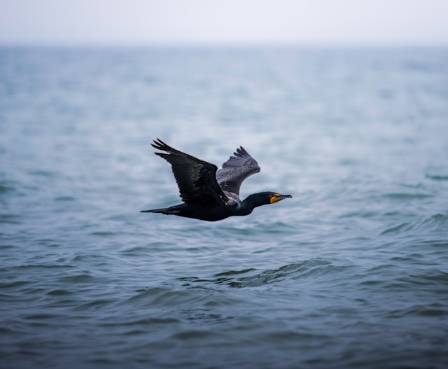
Cormorant

Cormorants are aquatic birds with hooked bills, webbed feet, and long wings. They live in many aquatic habitats—coastal bays, rocky coasts, mangroves and near beaches. They’re expert divers, often seen drying their wings on rocks after a hunt.

Why Beach Birds Are Important

Beach-birds often depend on the interface between land and sea—tidal flats, dunes, shallow water and estuaries—for feeding, nesting or refuge. Because these habitats are dynamic and vulnerable to human activity and climate change, observing and understanding beach-birds helps us gauge ecosystem health and conservation needs.

Final Thought

Next time you visit a beach, beyond sunbathing and swimming, take a moment to look down the shoreline and into the shallows. You might spot a sandpiper probing tidal mud, a tern diving for fish, or a flamingo standing in pink-toned water. Each of these fifteen bird types plays a unique role in the coastal world—and each is part of the rich biodiversity that makes beaches more than just sand and surf.

More from the plaza

BK

BLOCK · en

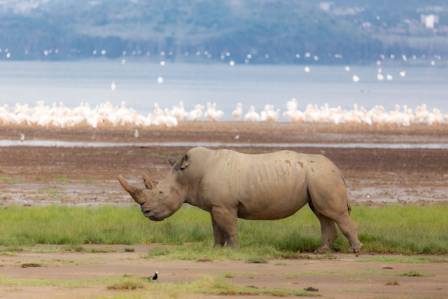
Finding Out the Global Population of White Rhinos

Finding Out the Global Population of White Rhinos

On July 22, 2025, the world said goodbye to Ozzy, a legendary American rock star. Coincidentally, on the very same day, a new white rhino entered the world—also named Ozzy! The Safari West wildlife preserve, located in Santa Rosa, California, gave the newborn calf this name to honor the recently deceased singer, whose passing had been announced just a few hours before the rhino’s birth. The calf’s mother, Eesha, a 20-year-old southern white rhino, and father, Ongava, are reported to be forming a strong bond with their new baby. Staff at the wildlife preserve explain that the name not only pays tribute to Ozzy Osbourne but also symbolizes the endless cycle of life.

BK

BLOCK · en

Top 10 best looking vintage record players

Top 10 best looking vintage record players

We admit it: appearance matters to us almost as much as performance. Maybe even a little more. Call us superficial, accuse us of being distracted by design, or tell us we’re overlooking the real purpose of a record player. It won’t change our opinion that a great turntable should also be beautiful to look at. For us, a big part of the vinyl experience is enjoying the way the equipment looks and feels.

BK

BLOCK · en

Unique Nordic Natural Sites

Unique Nordic Natural Sites

The Nordic region is a place of extraordinary natural beauty, offering fresh landscapes, dramatic fjords, breathtaking scenery, unique coastlines, peaceful lakes, and countless islands. Whether you visit during the bright days of summer or the snowy months of winter, the Nordic countries always provide unforgettable experiences.

BK

BLOCK · en

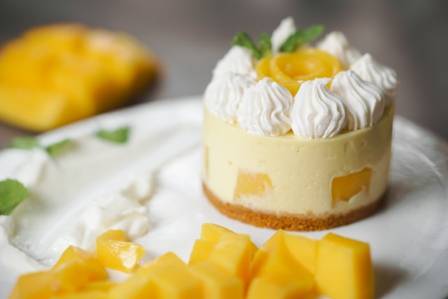
Let Them Eat Mango Cake: 4 Irresistible Recipes for Every Gathering

Let Them Eat Mango Cake: 4 Irresistible Recipes for Every Gathering

Mango and cake are a match made in tropical heaven—sweet, juicy, and bursting with sunshine, mango elevates any cake from ordinary to extraordinary. Whether you’re hosting a summer brunch, celebrating a birthday, or simply craving a indulgent treat, mango cakes strike the perfect balance of fruity brightness and creamy comfort. Unlike overly sweet desserts, mango’s natural sweetness—with hints of citrus and floral notes—pairs beautifully with buttery cake bases, creamy frostings, and warm spices, creating layers of flavor that feel both refreshing and satisfying. Today, we’re diving into four of our favorite mango cake recipes, each with unique twists to suit different tastes—from classic combinations to gluten-free options—plus insights into why mango cake is a crowd-pleaser and pro tips to make your baking a success.

BK

BLOCK · en

10 luxury high‑rise condominium developments

10 luxury high‑rise condominium developments

10 luxury high‑rise condominium developments

BK

BLOCK · en

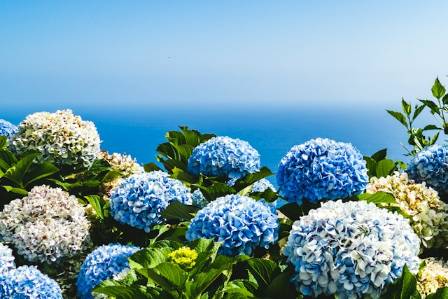
Hydrangea: The Beauty of Repeat Flowering Plants

Hydrangea: The Beauty of Repeat Flowering Plants

Recent advances in hydrangea breeding have created an impressive range of repeat-blooming varieties. Traditional hydrangeas generally form their flower buds on growth produced during the previous year, while many newer cultivars can develop buds on both old wood and new wood. In Portland, this can result in a long flowering season that begins in June and continues until the first frost.