Plaza story
Hydrangea: The Beauty of Repeat Flowering Plants
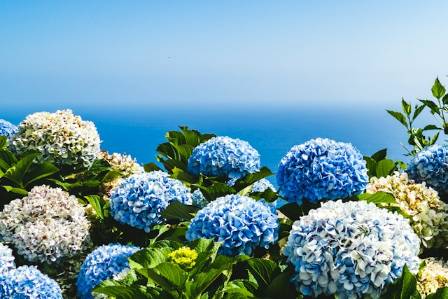
Recent advances in hydrangea breeding have created an impressive range of repeat-blooming varieties. Traditional hydrangeas generally form their flower buds on growth produced during the previous year, while many newer cultivars can develop buds on both old wood and new wood. In Portland, this can result in a long flowering season that begins in June and continues until the first frost.
Daven Royce
City note
Sunny tip
The full plaza write-up continues below on the positive pulse board.
Board
NYC Good News
Recent advances in hydrangea breeding have created an impressive range of repeat-blooming varieties. Traditional hydrangeas generally form their flower buds on growth produced during the previous year, while many newer cultivars can develop buds on both old wood and new wood. In Portland, this can result in a long flowering season that begins in June and continues until the first frost.
Plant Care and Information
Family
Hydrangeaceae
Genus
Hydrangea comes from the Greek words hydor, meaning water, and aggeion, meaning vessel. The name refers to the cup-like shape of the plant’s fruit.
Common Name
Hydrangea
There are approximately 100 species of hydrangeas, including shrubs, small trees, and climbing vines. Most species produce two distinct types of flowers: fertile flowers and sterile flowers. Fertile flowers are generally small and less noticeable, often appearing toward the center of a flower cluster. Sterile flowers are much larger and provide most of the plant’s showy floral display. Depending on the species, the flowers can be arranged in several different types of clusters.
Mophead Hydrangeas
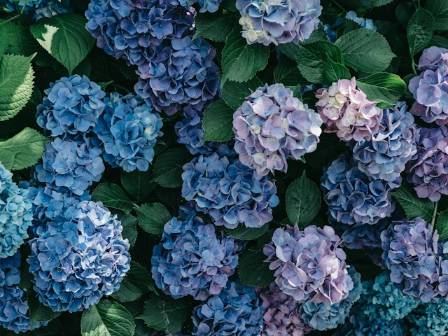
Hydrangeas that produce rounded or dome-shaped flower heads made up largely of large, sterile flowers are commonly called mopheads. The larger sterile blooms surround or conceal the smaller fertile flowers within the cluster.
Mophead hydrangeas are available in many colors, including blue, pink, lavender, green, white, and combinations of these shades. Species that include mophead forms are Hydrangea arborescens, Hydrangea macrophylla, and Hydrangea serrata.
Lacecap Hydrangeas
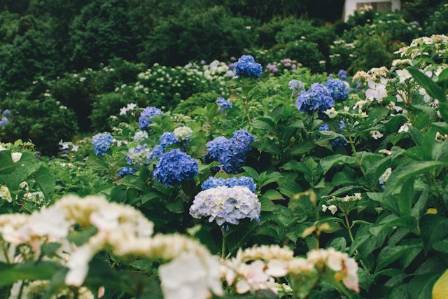
Lacecap hydrangeas have broad, flat, rounded flower clusters. Small fertile flowers form the central portion of the cluster, while larger sterile flowers create a decorative border around the outside.
These flowers can appear in white, pink, lavender, and blue. Lacecap forms occur among Hydrangea aspera, Hydrangea macrophylla, and Hydrangea serrata. Several climbing hydrangeas also produce this type of flower arrangement, including H. anomala petiolaris, H. integrifolia, and H. seemanii.
Panicle or Cone Hydrangeas
Hydrangeas that produce elongated, cone-shaped clusters of flowers are commonly described as panicle or cone hydrangeas. Their flowers may be white, green, or pink.
Some varieties produce extremely dense clusters dominated by large sterile flowers, making the smaller fertile blooms difficult to see. Other varieties have more loosely arranged flowers that create a lighter, lace-like appearance.
Cone-shaped flower clusters are characteristic of Hydrangea paniculata and Hydrangea quercifolia.
Leaves and Seasonal Features
Hydrangea foliage may be either deciduous or evergreen, depending on the species. Leaf characteristics vary considerably and can include simple leaves arranged opposite each other or in groups of three. Leaves may be oval, toothed, smooth, or serrated.
Many hydrangea varieties develop attractive autumn foliage in shades ranging from red to deep purple and mahogany. Some species also have peeling or exfoliating bark, which provides additional visual interest during winter.
Light Requirements
Most hydrangeas grow best when they receive filtered light or afternoon shade. Plants exposed to full sun can suffer from leaf scorch and may require considerably more water to remain healthy.
Pee Gee hydrangeas, particularly H. paniculata, and oakleaf hydrangeas, H. quercifolia, are notable exceptions. These types can tolerate sunny locations, although they can also grow successfully in partial shade.
Soil and Watering
Hydrangeas prefer soil that remains evenly moist while still providing good drainage. The growing medium should not be allowed to remain excessively dry, but water should also be able to drain away efficiently.
Cold hardiness differs depending on the hydrangea species and variety, so the appropriate planting location should take the plant’s individual cold tolerance into consideration.
Fertilizing
If your goal is to encourage blue flowers, choose a fertilizer formulated for acid-loving plants. For other hydrangeas, a rose and flower fertilizer can be used.
Regardless of which fertilizer you select, always apply it according to the instructions provided on the product packaging.
Deadheading
Spent hydrangea flowers can be removed during fall or toward the end of winter. To determine where to make the cut, count down two sets of leaves beneath the old flower cluster and cut immediately above the second set.
Repeat-blooming hydrangeas can also be deadheaded throughout the growing season as individual flower clusters begin to fade. Removing old flowers as they decline can help keep the plant looking neat while allowing new blooms to develop.
Pruning Hydrangea arborescens
Hydrangea arborescens produces its flowers on new wood. Because of this, its branches can be cut back to approximately knee height during late winter.
This pruning approach encourages fresh growth, which will produce flowers during the upcoming growing season.
Rejuvenating or Reducing Large Hydrangeas
When an established hydrangea has become excessively large or needs to be reduced in size, begin by carefully examining the plant’s overall structure during late winter.
Start by making three to five thinning cuts distributed throughout the plant. Select the branches that contribute most to the plant’s excessive size or poor structure and remove them either back to a substantial supporting branch or all the way to ground level.
After every cut, step away from the plant and examine its structure again before deciding where to make the next cut. Taking this gradual approach helps prevent excessive pruning and allows you to maintain a balanced form.
Remove dead wood as well as branches that are growing inward toward the center of the plant. This selective pruning encourages new growth to develop within the interior of the shrub and from its base once spring arrives.
Finishing the Pruning Process
After the major structural cuts have been completed, remove the remaining spent flower heads and trim back the tips of the branches.
Count two leaf nodes downward from each branch tip and make the cut just above the second node. Following this method helps preserve the growth needed for summer flowering while keeping the plant’s overall shape under control.
More from the plaza
BLOCK · en

Top 5 Fountains in Rome
Among all cities around the globe, Rome has an extraordinary relationship with fountains. More than 2,000 fountains are scattered throughout Italy’s capital, offering refreshing sounds of flowing water, cooling relief during hot summers, and unforgettable romantic settings for visitors. This deep connection with fountains dates back thousands of years. By 98 AD, ancient Rome already featured 39 impressive monumental fountains celebrating the power and glory of the empire, along with hundreds of public water basins used for drinking and washing.
BLOCK · en
The World’s Finest 7 Macaron Destinations
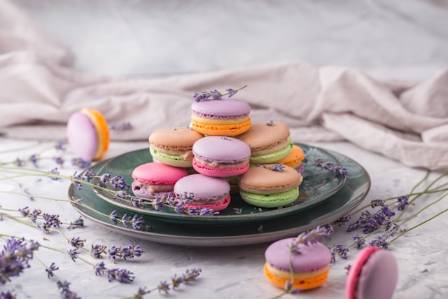
Macarons, those delicate French meringue-based sandwich confections, have charmed dessert lovers across the globe. Known for their crisp shell, soft center, and signature “foot,” these airy almond flour cookies come in countless shades and flavors, from timeless chocolate to floral rose or tangy passion fruit. Though often mistaken for macaroons—the chewy coconut sweets—macarons are a completely different treat. Crafted from whipped egg whites, almond flour, and sugar, these gluten-free delights are as beautiful as they are flavorful. Below, we highlight seven top-tier patisseries from around the world that have redefined the art of the macaron.
BLOCK · en

Desert Pavement: A Unique Wind-Formed Landscape
Aeolian landforms are natural features created by the action of wind on the Earth’s surface. These formations result from processes such as erosion, transportation, and the deposition of materials by moving air. Similar wind-related processes have also been observed and studied on other planets.
BLOCK · en

Learning About Red-Breasted Mergansers Key Facts and Insights
When we think of ducks, we often picture birds that munch on pond weeds and other green plants—round, highly buoyant creatures that bob on the water’s surface like floating bath toys. But there’s at least one group of ducks that defies all these common assumptions. Mergansers, a genus of ducks, retain the raptor-like traits of their ancestors, and the red-breasted merganser stands out as an exceptional example of this. The reddish breast that gives this species its common name is most visible in males when they have their breeding plumage.
BLOCK · en

9 Essential Styles of Suits for Men
A well-tailored suit has always been a cornerstone of men’s fashion. Beyond simply looking sharp, the right suit communicates confidence, elegance, and personality. From timeless classics to bold statements, men’s suits come in a range of styles suited for different occasions. Here’s a guide to nine of the most important suit types every man should know.
BLOCK · en
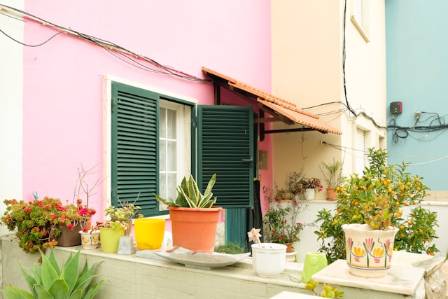
Steps to a Happy, Colorful Home
Home has always represented comfort and belonging, but in 2020 it became even more central to our everyday lives.