Bird Flower

Plaza story

Bird Flower

Chinese Bird and Flower Painting

S

Sophia

City note

Sunny tip

The full plaza write-up continues below on the positive pulse board.

Board

NYC Good News
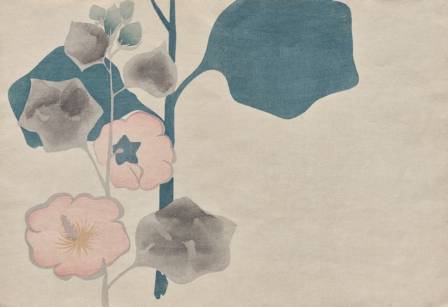
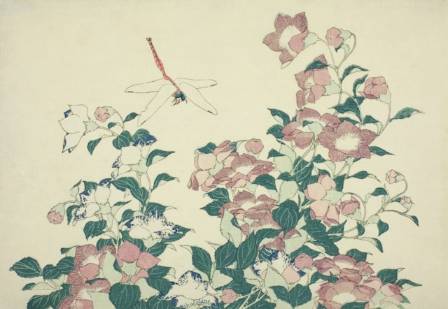
China’s artists have for centuries linked flora and fauna with auspicious meanings and scholarly virtues. There are flowers and plants associated with the four seasons and twelve months that convey a sense of time passing and celebration of the unique characteristics of the season. It is believed that bird-and-flower images and motifs became popular in China as early as the Tang dynasty (618–907), but by the end of the Northern Song period (960–1127), this specific category of painting took on a clearly defined social relevance.
Human values and principles, particularly those of the literati, were ascribed to noteworthy plants and animals. Because they thrive even in harsh conditions, plum blossoms and bamboo became symbols of the noble Confucian gentleman; chrysanthemums and geese alluded to tales of reclusive scholars; the lotus flower symbolised purity and an upright character; and peonies and butterflies represented wealth and happiness. Stylistic approaches to bird-and-flower subjects varied widely, from carefully delineated, naturalistic depictions to highly expressionistic renderings that demonstrated the literati artist’s virtuosity of the brush. Although literati painting was held in the highest regard during China’s Ming (1368–1644) and Qing (1644–1911) dynasties the practice carries on, and remains popular, to the present day.
The latest exhibition at China Institute, in New York, examines the genre of painting, and is one of the largest exhibitions organised on the subject outside China. Flowers on a River: The Art of Chinese Flower-and-Bird Painting, 1368-1911, Masterworks from Tianjin Museum and Changzhou Museum features masterpieces of Chinese painting across five centuries to explore one of the three major genres of Chinese painting – alongside landscape and figure painting.
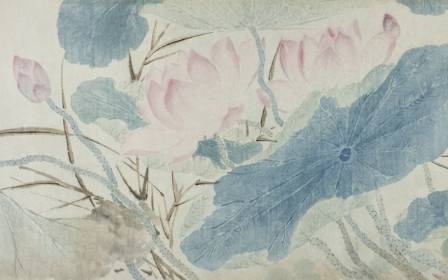
The highlight of the exhibition is the Qing-dynasty hand scroll Flowers on a River (1697), from which the exhibition takes its name. The 42-foot horizontal scroll by one of the greatest artists in Chinese history, Zhu Da (1626-1705), also commonly known as Bada Shanren, is considered a masterpiece of Chinese painting – last seen outside of China in the 2013 exhibition Masterpieces of Chinese Painting 700-1900 at the Victoria & Albert Museum in London.
Often described as a mad eccentric, the artist Zhu Da created some of the most daring and powerful paintings in 17th-century China. Wayward compositions with many layers of meanings, they largely reflected his tortured inner emotions and particularly the trauma of his life. Born a prince of the Ming (1368-1644) imperial house of Zhu at Nanchang, in 1626, he was eighteen when Manchu armies swept south and took Beijing, overthrowing the Ming to establish the Qing dynasty (1644-1911). The enigmatic Bada Shanren went into hiding at a Buddhist temple and became a monk after the Manchu conquest. As the perils of conquest receded in the 1670s, Zhu Da left the priesthood and returned to secular life in Nanchang as a professional artist, calligrapher and poet. In 1680, he began a career as a working artist excelling in painting and calligraphy. The name Zhu Da never appeared as a signature or seal in his work. In 1684, he took the name Bada Shanren which remained with him for the rest of his life.
His epic scroll Flowers on a River, painted when he was 72 years-old, depicts the lifespan of a lotus flower from a seedling to blossoms – faded into a landscape, which holds many secret codes related to his life journey. As the master of individualism, both meditative and joyous, his free and loose brushwork anticipates abstraction by hundreds of years. Zhu Da remained committed to his painting until the end of his life. He consistently refined his brush technique, exploring graduated ink tones, and experimented with their possibilities as he lived out his last years seeking solace with the natural order.
This exhibition of Chinese bird and flower paintings looks at the natural world in the context of the human experience, using a variety of artists’ works to reveal links that tie the genre’s imagery and the country’s everyday life and social customs. To explore these themes, the exhibition is presented in three parts: Precious Plums of the Palace: Academicism and Court Artists; Fragrant Plums in the Wild: The Literati Art, Painters and Painting Schools; and Vitality of Nature: Flower-and-Bird Painting and Social Customs.
During the Ming and Qing dynasties, there was an advance of women artists who excelled in flower-and-bird painting, and the exhibition includes the work of eight women artists, featuring scrolls by two of the most acclaimed – Ma Quan and Yun Bing. Born into families of artists during the Qing dynasty, they rose to prominence through the legacies of their fathers and grandfathers and were celebrated as ‘the two absolute talents’. Little information exists of Ma Quan’s life, but she seems to have painted to help support her husband when the family encountered financial difficulties. Ma’s subjects include butterflies, bees, and dragonflies, with modern critics identifying her brushwork as very controlled producing particularly fine strokes. She mainly painted flowers and birds seen in an ordinary garden, contrasting with the paintings of the imperial court. Other women artists came from the demimonde of the Qinhuai, and were artistic courtesans, such as mid-Ming period artist Ma Shouzhen, also known as Ma Xianglan for her famous orchid paintings. A rare category of women artists made a living solely through art, such as Miao Jiahui, who was an art teacher and uncredited artist, providing her work for Empress Dowager Cixi to sign.
The exhibition is of grand scale, with more than 100 masterworks by 59 artists presenting some of the most important examples in the history of Chinese flower-and-bird painting. Spanning 500 years through the Ming and Qing dynasties it highlights the academic, literati, and individual styles of the artists. The Chinese concept of ‘humanity in harmony with nature’ also contains the use of a special language of coded imagery to communicate meaning, which is central to Chinese art and culture.

More from the plaza

BK

BLOCK · en

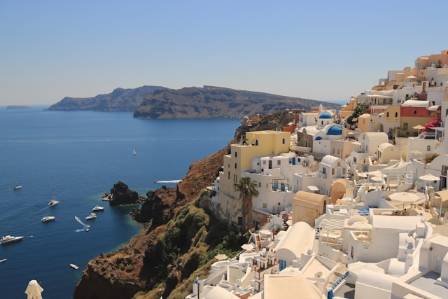
Where to See the Most Stunning Views in Santorini

Where to See the Most Stunning Views in Santorini

Santorini mesmerizes visitors with its breathtaking sea horizons, cobalt-domed churches perched atop craggy cliffs, and world-famous golden hour spectacles. From historic vantage points like Oia’s old castle to serene coastal lookouts such as the Akrotiri Lighthouse, the island boasts numerous spots that reveal the dramatic beauty of the caldera. Whether you’re drawn by its sculpted volcanic peaks, ancient ruins, or romantic sunsets, Santorini’s vistas offer an unforgettable visual feast.

BK

BLOCK · en

Desert Pavement: A Unique Wind-Formed Landscape

Desert Pavement: A Unique Wind-Formed Landscape

Aeolian landforms are natural features created by the action of wind on the Earth’s surface. These formations result from processes such as erosion, transportation, and the deposition of materials by moving air. Similar wind-related processes have also been observed and studied on other planets.

BK

BLOCK · en

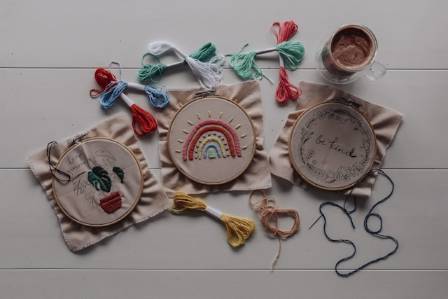
Famous Embroidery Styles Globally

Famous Embroidery Styles Globally

Embroidery is more than just crafting intricate patterns and attractive designs. It’s an art form that conveys history and culture simply through its appearance.

BK

BLOCK · en

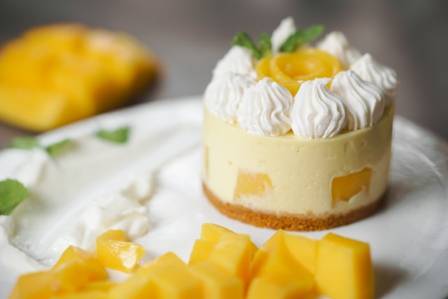
Let Them Eat Mango Cake: 4 Irresistible Recipes for Every Gathering

Let Them Eat Mango Cake: 4 Irresistible Recipes for Every Gathering

Mango and cake are a match made in tropical heaven—sweet, juicy, and bursting with sunshine, mango elevates any cake from ordinary to extraordinary. Whether you’re hosting a summer brunch, celebrating a birthday, or simply craving a indulgent treat, mango cakes strike the perfect balance of fruity brightness and creamy comfort. Unlike overly sweet desserts, mango’s natural sweetness—with hints of citrus and floral notes—pairs beautifully with buttery cake bases, creamy frostings, and warm spices, creating layers of flavor that feel both refreshing and satisfying. Today, we’re diving into four of our favorite mango cake recipes, each with unique twists to suit different tastes—from classic combinations to gluten-free options—plus insights into why mango cake is a crowd-pleaser and pro tips to make your baking a success.

BK

BLOCK · en

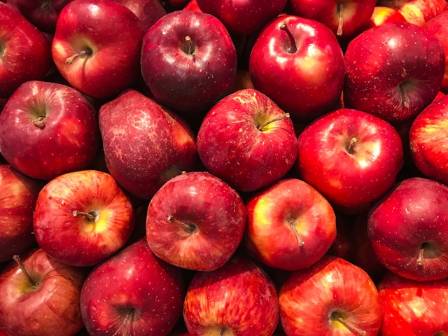
The Top 5 Health Benefits of Apples: Why "An Apple a Day" Holds True

The Top 5 Health Benefits of Apples: Why "An Apple a Day" Holds True

Apples are more than just a crunchy, sweet snack—they’re a nutritional powerhouse deeply woven into human history and culture. From the iconic proverb “An apple a day keeps the doctor away” to their starring role in recipes spanning centuries, apples have earned their reputation as one of the world’s most beloved healthy fruits. In the UK alone, there are around 2,000 apple varieties, ranging in color from pale yellow and crisp green (like Granny Smith) to deep crimson (such as Red Delicious) and blush pink (like Pink Lady). Their taste and texture vary just as widely: some are juicy and sweet, perfect for eating fresh, while others are firm and tangy, ideal for cooking into pies or crumbles. Though British apples are available year-round thanks to modern storage and global imports, their traditional season runs from September to February, when they’re at their peak freshness and flavor. Packed with fiber, vitamins, minerals, and protective plant compounds, apples offer a host of science-backed health benefits that support everything from heart health to weight management. Below, we explore the top five reasons to make apples a regular part of your diet, along with their nutritional profile, safety considerations, and delicious ways to enjoy them.

BK

BLOCK · en

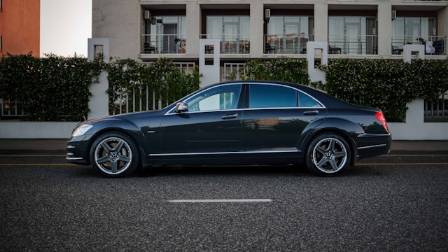
New Sedans Redefining Luxury

New Sedans Redefining Luxury

Luxury sedans have long been symbols of refinement, comfort, and technological progress. Today’s manufacturers are pushing those ideas further than ever, creating vehicles that feel more advanced, more luxurious, and more immersive than anything before them.