Plaza story
Seeds of Innovation
Across fields, greenhouses, and even indoor towers, a quiet transformation is taking place. Farmers and scientists are working hand in hand, using technology to grow more food, keep plants healthier, and protect the planet. These efforts are more than just upgrades to farming—they are seeds of change planted for a better future.
Jacob Linwood
City note
Sunny tip
The full plaza write-up continues below on the positive pulse board.
Board
NYC Good News
Across fields, greenhouses, and even indoor towers, a quiet transformation is taking place. Farmers and scientists are working hand in hand, using technology to grow more food, keep plants healthier, and protect the planet. These efforts are more than just upgrades to farming—they are seeds of change planted for a better future.
New technology is helping people produce stronger crops using fewer resources. From smart machines to data-driven tools, innovation is making food systems more efficient, more sustainable, and more promising than ever before.
Smarter Farming, Stronger Plants
Traditional farming relied on guesswork and long experience. Now, digital tools provide real-time data about plant health, soil moisture, and weather conditions. With the help of satellites and sensors, farmers can make smarter decisions. Instead of watering whole fields, they water only where needed. Instead of spraying all plants, they treat only the sick ones.
This means healthier plants and higher yields. Crops get exactly what they need—and nothing more. It also means less waste and less harm to the environment. The plants benefit, the planet breathes easier, and farmers save time and money.
Robots in the Rows
New machines are stepping in where humans once struggled. Self-driving tractors, robotic weed removers, and drones are now common in many large farms. These machines do not get tired, do not make mistakes, and can work day and night.
A robot can scan every plant in a field and spot the early signs of disease before a human ever could. This early warning allows for quicker, smaller, and more effective treatments. By acting fast, farmers can save entire crops that might have been lost.
Growing More with Less
With a growing global population, the demand for food is rising. At the same time, climate change is making farming harder. The solution? Do more with less.
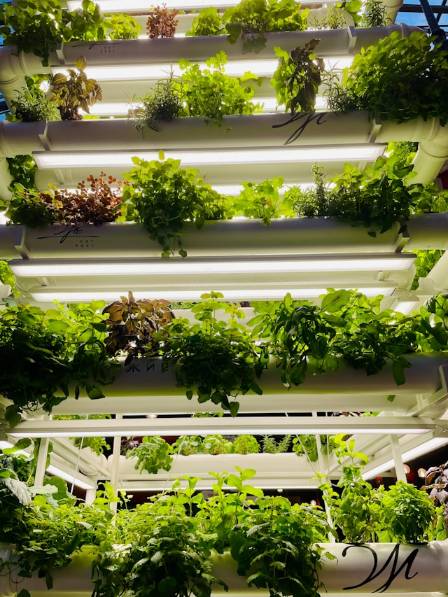
Vertical farms grow vegetables in stacked layers indoors using LED lights and recycled water. These systems can grow food all year round, even in cities where land is scarce. Hydroponics and aeroponics allow plants to grow without soil, using only water and nutrients. These methods use up to 90 percent less water than traditional farming.
These futuristic systems are not just dreams. They are already feeding people in places once thought impossible.
Tech That Respects Nature
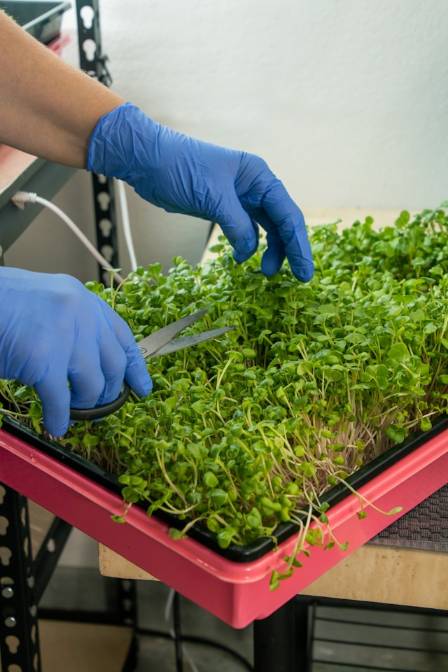
While technology is often seen as separate from nature, new farming tools are bringing the two closer together. Fewer chemicals mean safer soil. Targeted watering means less water waste. Healthier plants mean fewer greenhouse gases from spoiled or wasted food.
By reducing harm and increasing care, modern farming is helping the Earth recover. Green technology is not just about making farms more productive. It is about making them kinder to nature.
Planting Hope
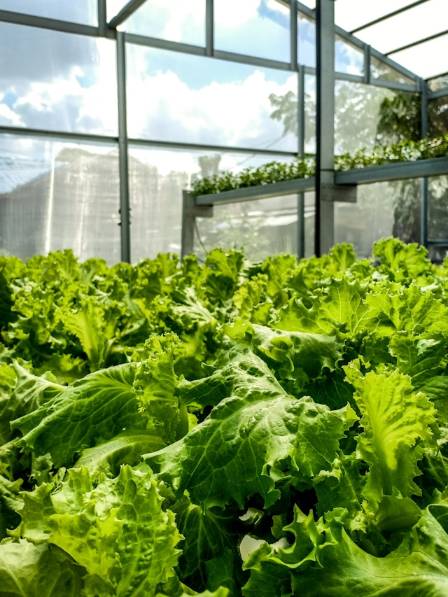
Technology is not replacing the farmer. It is empowering them. With better tools, clearer information, and stronger support, farmers are growing more food with greater care.
From the smallest seeds to the largest machines, every part of agriculture is being reimagined. These innovations are more than upgrades—they are promises. Promises of healthier food, richer harvests, and a greener, more hopeful planet for the next generation.
More from the plaza
BLOCK · en

The Most Attractive Golf Ball
Few feelings in golf are more satisfying than watching your ball sail cleanly over a water hazard and land safely on the other side. To fully appreciate that moment, you need to be able to track its entire flight. Let's explore the world of high-visibility golf balls designed to do just that.
BLOCK · en

Dongchuan Red Land: Where China’s Hills Turn Red
Dongchuan Red Land is a remarkable highland region located in Dongchuan District, Yunnan Province, China. Situated approximately 155 miles (250 kilometers) northeast of Kunming, the area lies at elevations ranging from around 5,900 to 8,500 feet (1,800 to 2,600 meters).
BLOCK · en

The Evolution of the Golf Ball
The golf ball we know today has undergone numerous transformations throughout history. Its development can be traced through five major stages, beginning in the 14th century with wooden balls and culminating in the modern rubber-core designs. Exploring this history reveals how technology and innovation shaped the game of golf.
BLOCK · en

4 Healing Power of Animal Companionship in Therapy
The profound bond between humans and animals goes beyond mere companionship; it holds the remarkable ability to promote healing and enhance mental well-being. Animals, with their innate qualities, offer comfort and support that can significantly impact our lives.
BLOCK · en

15 Races in the US That Every Runner Needs To Do
For runners, the motivation to tie up our shoes is as varied as the races themselves. We chase personal goals, the thrill of competition, the weight of a finisher's medal, and the incredible community spirit. The real challenge isn't getting out the door, but choosing which iconic event to target. To help you decide, we've curated a list of the most legendary and breathtaking races across the United States.
BLOCK · en

Understanding the Fundamentals of Caloric Equilibrium
The concept of caloric balance centers around the comparison of calorie intake with calorie expenditure. It plays a pivotal role in your overall health and physical fitness, as it dictates whether you maintain, gain, or lose weight over time. Remarkably, caloric balance isn't concerned with the origin of calories, whether they stem from proteins, carbohydrates, or fats; it's solely about the grand total of calories ingested versus calories expended.