Plaza story
All about the Common European Robin
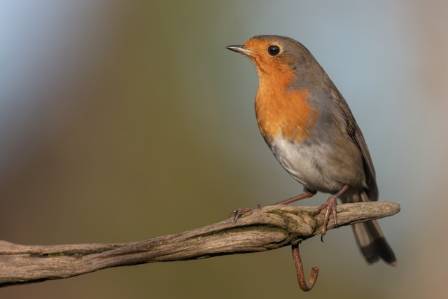
The Robin, once classified as Erithacus rubecula, is one of the first birds many people in the UK learn to recognise during childhood. Its popularity is undeniable; in the 2015 National Bird Vote, the Robin was named Britain’s favourite bird, receiving an impressive 34% of the total votes. When people picture Christmas scenes, they often imagine a Robin perched on a snowy branch.
Selene Marlowe
City note
Sunny tip
The full plaza write-up continues below on the positive pulse board.
Board
NYC Good News
The Robin, once classified as Erithacus rubecula, is one of the first birds many people in the UK learn to recognise during childhood. Its popularity is undeniable; in the 2015 National Bird Vote, the Robin was named Britain’s favourite bird, receiving an impressive 34% of the total votes. When people picture Christmas scenes, they often imagine a Robin perched on a snowy branch.
Despite its gentle appearance and friendly reputation, the Robin is far from timid. It is a highly territorial bird with a bold personality and can successfully chase away much larger birds that enter its space. This small bird is well known for showing courage far beyond its size.
Appearance and Identification
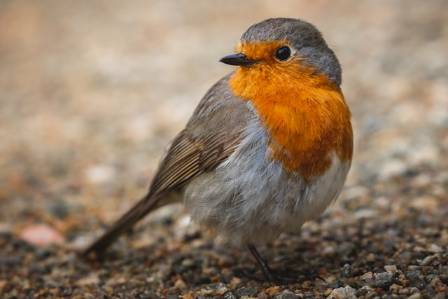
The Robin is a compact, rounded bird with a distinctive orange-red breast and brown feathers covering its upper body. Males and females look almost identical, making them difficult to tell apart. Some bird enthusiasts believe females may have a slightly more V-shaped marking on the forehead, while males may show a more U-shaped pattern, but the difference is extremely subtle and often impossible to notice.
The Robin’s bright orange-red chest is not primarily used to attract a mate. Instead, it serves as a warning signal during territorial disputes. Simply displaying this bold colour is often enough to discourage rival birds, but if necessary, Robins will actively defend their territory through direct confrontation.
Habitat and Distribution
Robins remain in the UK throughout the year and are generally resident birds that stay within and protect a familiar territory. During winter, local Robins are sometimes joined by visitors from Scandinavia. These northern birds usually have slightly paler feathers and a less vivid breast compared with native UK populations.
Robins can be found across the entire United Kingdom in all seasons. Their breeding territories are often around one-sixth of the size of a football pitch, approximately 0.55 hectares, although the exact size depends greatly on the surrounding habitat. In areas with plenty of available space, such as Scottish pine forests, Robin populations may be much more spread out, with only around 10 breeding pairs per square kilometre.
The Robin’s Remarkable Navigation Skills
The Robin has a fascinating visual system that has attracted considerable scientific research. These birds are believed to use a special ability called magnetoreception, allowing them to detect and possibly see the Earth’s magnetic field. This ability helps them orient themselves and navigate successfully.
Although researchers have learned much about this process, the exact mechanisms behind magnetoreception are still not completely understood and continue to be studied.
Robin Songs and Seasonal Changes
One of the Robin’s most charming characteristics is its habit of singing early in the morning. It is often among the first birds to join the dawn chorus, producing a beautiful series of whistles, warbles, and melodic notes.
The Robin’s song changes throughout the year. During winter, its voice tends to sound softer and more sorrowful, while in spring it becomes brighter and more energetic as the breeding season approaches.
What Do Robins Eat?
If Robins regularly visit your garden, you may notice that they enjoy a wide variety of foods. Their natural diet includes worms, insects, seeds, and fruit.
Garden Robins are especially attracted to high-energy foods such as suet balls and specially designed bird seed blends. Providing suitable food sources can encourage these charming birds to return regularly.
Recommended Foods for Robins
Robin and Blackbird No Mess Seed Mix
This specially created seed blend is designed for Robins and Blackbirds. The ingredients are processed to remove husks, helping reduce leftover mess beneath feeders while providing a nutritious food source that encourages garden birds to visit throughout the year.
Dried Mealworms
Dried mealworms are a favourite treat among many garden birds, especially Robins. They provide the same valuable protein found in live mealworms while creating less waste and offering a much longer storage life. They can be served alone or mixed with other bird foods.
Premium Suet Balls
Suet provides birds with a quick source of energy, making it especially valuable during colder months. Premium suet balls combine high-quality beef suet with ingredients such as wheat, peanuts, and dried mealworms to create a nutrient-rich food that garden birds enjoy.
Premium Insect Suet Pellets
Robins, thrushes, and Blackbirds are particularly fond of suet pellets containing real insects. These pellets are packed with protein, energy, vitamins, and minerals, making them especially beneficial during the breeding season when birds need extra nutrition.
More from the plaza
BLOCK · en
The Velocity of Wolves: Unraveling the Speed of Different Wolf Subspecies
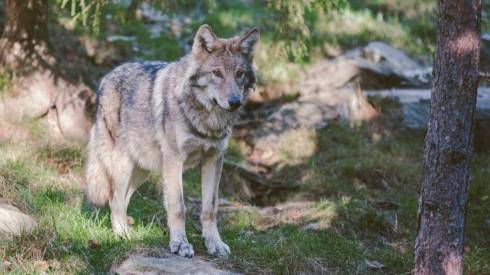
Wolves, the formidable predators of the animal kingdom, are renowned for their pack dynamics, keen instincts, and awe-inspiring physical prowess. Among their defining traits, speed stands out prominently. However, it's crucial to note that the velocity of these majestic creatures varies depending on their subspecies. Let's delve into the diverse world of wolves and their unique speeds.
BLOCK · en

Create a Cozy and Inviting Living Room
The living room is often the central gathering place in a home—a room for relaxing after a busy day, spending time with family, welcoming guests, or simply enjoying some quiet time. Designing this space to feel comfortable and inviting can make the entire home feel warmer and more pleasant.
BLOCK · en
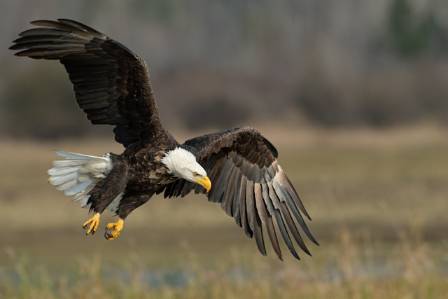
Eagles: Masters of the Sky
Eagles—just the name brings to mind strength, freedom, and razor-sharp vision. These impressive birds of prey dominate the skies across much of the world, inspiring awe with their hunting skill and commanding presence. This guide explores the fascinating world of eagles, covering their biology, behavior, ecological importance, and cultural meaning.
BLOCK · en

The Past, Present and Future of Red Rock
Red Rock Canyon National Conservation Area (RRCNCA) covers 195,819 acres of dramatic sandstone cliffs, rugged mountains, and winding desert arroyos. Its landscape also preserves traces of the past, including rock art and other cultural resources left behind by Ancestral Puebloans and Southern Paiute communities.
BLOCK · en
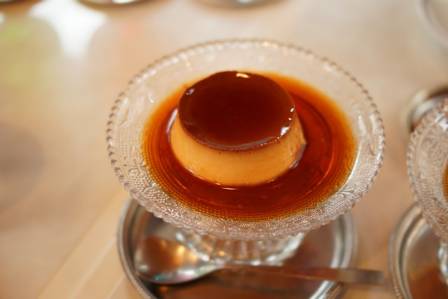
Creamy Low-Fat Caramel Pudding Recipe
This rich-tasting pudding manages to stay low in fat while providing a good dose of calcium.
BLOCK · en
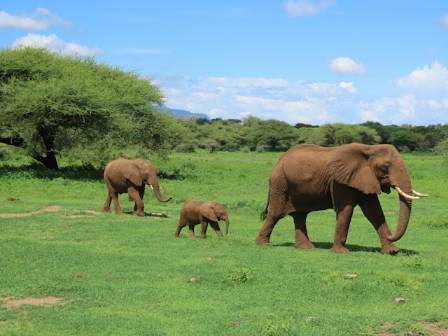
The Giants That Shape Africa’s Ecosystems
African elephants are the largest animals that live on land. They are generally bigger than their Asian relatives and are easily identified by their enormous ears, whose outline is often compared with the shape of the African continent. Asian elephants, by contrast, have ears that are smaller and more rounded.