
Plaza story
Seals and Sea Lions: Marine Mammals with Flippered Feet
Seals and sea lions are members of a group of ocean-dwelling mammals known as pinnipeds, a name that means “fin-footed” or “flipper-footed.” These animals spend much of their lives in the sea but are also capable of staying on land for extended periods.
Anthony Walker
City note
Sunny tip
The full plaza write-up continues below on the positive pulse board.
Board
NYC Good News
Seals and sea lions are members of a group of ocean-dwelling mammals known as pinnipeds, a name that means “fin-footed” or “flipper-footed.” These animals spend much of their lives in the sea but are also capable of staying on land for extended periods.
Many pinniped species have developed remarkable diving abilities. Some can remain underwater for nearly two hours and descend to depths exceeding 6,500 feet while searching for prey.
Two Main Families of Pinnipeds
Pinnipeds are divided into two primary groups: Phocids and Otariids. Although both groups are adapted for life in the ocean, they differ in their body structure, movement, and physical features.
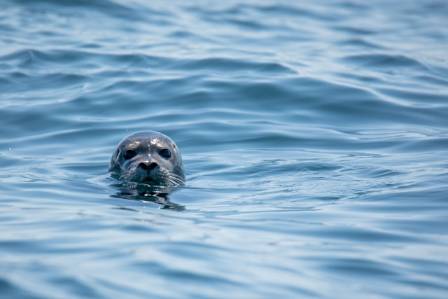
Phocids: The True or Earless Seals
Phocids are commonly called true seals or earless seals. They do have ear openings, but they lack visible external ear flaps.
These seals have relatively small front flippers and move on land by sliding and pushing themselves forward on their bellies. Their movement on shore is less efficient compared with sea lions.
In the water, phocids use their powerful rear flippers in a side-to-side motion similar to the movement of a fish’s tail, allowing them to swim efficiently through the ocean.
Examples of phocids include harbor seals and Hawaiian monk seals.
Otariids: Sea Lions and Fur Seals
Otariids are known as eared seals and include sea lions and fur seals, such as Steller sea lions and northern fur seals.
Unlike true seals, otariids have visible external ear flaps. They also possess larger front flippers, which provide powerful movement both in the water and on land.
When on shore, these animals can rotate their rear flippers beneath their bodies, allowing them to stand up and walk using all four flippers.
While swimming, otariids mainly rely on their strong front flippers to move forward and use their back flippers for steering and direction control.

More from the plaza
BLOCK · en
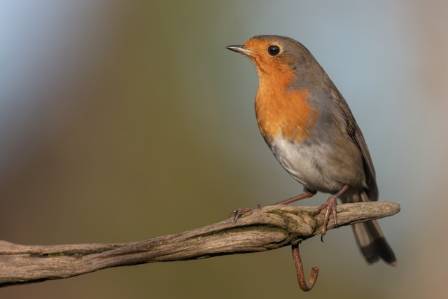
All about the Common European Robin
The Robin, once classified as Erithacus rubecula, is one of the first birds many people in the UK learn to recognise during childhood. Its popularity is undeniable; in the 2015 National Bird Vote, the Robin was named Britain’s favourite bird, receiving an impressive 34% of the total votes. When people picture Christmas scenes, they often imagine a Robin perched on a snowy branch.
BLOCK · en

The Most Loved Beaches: A Trip Through America’s Waterfront Gems
Beaches aren’t just patches of sand; they’re invitations to slow down, breathe, and dive into new adventures. TripAdvisor’s Travelers’ Choice Awards crown the very best, honoring places that earn glowing reviews from real travelers over a year. Among millions of listings, fewer than 1% achieve the coveted Best of the Best status. Here’s a refreshed look at some standout U.S. shores that combine beauty, accessibility, and memorable experiences.
BLOCK · en

Big Ben Photo Spots: Where to Take the Best Photos of Big Ben
After exploring Big Ben from various angles, I’ve narrowed down the two best spots for capturing stunning photos.
BLOCK · en

Creamy Mango Milkshake
This creamy mango milkshake is cool, refreshing, and incredibly easy to make.
BLOCK · en

The Eight Bear Species of the World
The North American Black Bear is the most widespread bear species on the continent, inhabiting areas from Florida in the south, across Canada, and as far north as Alaska. Although its name suggests a black coat, this species can appear in several color variations, including black, bluish-black, brown, and the rare white Kermode or Spirit Bear found mainly in northwestern British Columbia, Canada. Black and brown color phases are the most commonly seen.
BLOCK · en
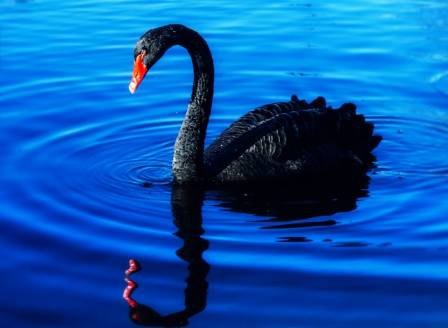
Discovering the Black Swan: Insights into Cygnus atratus
The Black swan (scientific name: Cygnus atratus) is a large, instantly recognizable waterbird that belongs to the swan family. It stands out as one of just three swan species native to the southern hemisphere. Back in the 1800s, this elegant bird was introduced to various countries as an ornamental addition to gardens and estates—but many managed to escape into the wild and establish stable, self-sustaining populations. Today, the Black swan remains a beloved attraction in zoos and private bird collections, and sightings of escaped individuals outside their natural range are not uncommon.