Plaza story
How to Paint a Watercolor Butterfly
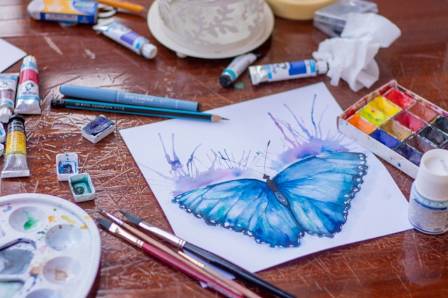
This printable project guides you through the techniques of watercolor painting, making it accessible for artists of all ages. Follow the steps below, and you’ll soon have your own beautiful butterfly artwork!
Alex Rowan
City note
Sunny tip
The full plaza write-up continues below on the positive pulse board.
Board
NYC Good News
This printable project guides you through the techniques of watercolor painting, making it accessible for artists of all ages. Follow the steps below, and you’ll soon have your own beautiful butterfly artwork!
Materials You’ll Need
For best results, use the supplies listed below. Many of these items can be found in the ArtSkills Premium Artist Case.
Watercolor paints
Brushes of various sizes
Water container
Watercolor paper
Titanium white acrylic paint for highlights
Helpful Tips
Watercolor Paint Lightens as it Dries
Colors appear darker and more intense when wet, but they will naturally become lighter as the paint dries.
Test Colors First
Watercolors dry quickly, so it’s a good idea to test a color on scrap paper before applying it to your painting.
Keep Water Clean
To avoid muddy colors, rinse your brush when changing colors and refresh your water regularly.
Step 1 – Paint the Base Layer
Start by filling in the butterfly’s body and outer wings with Violet paint. Avoid painting the small white spots on the wings. Apply multiple layers if a richer color is desired.
Once done, rinse your brush and add Magenta starting from the outer tips of the inner wings, blending toward the center. Soften the edges of the Magenta into a gentle wash of Rose, fading to white at the wing tips. Aim for a gradient effect where the top of the wings is slightly darker than the bottom.
Step 2 – Introduce Additional Colors
Lightly wet the Rose areas you blended in the previous step. Using Yellow-Orange, paint along the edges of the Rose. The wet paper will help the colors merge naturally, creating a smooth transition into a rich orange. Fade the Yellow-Orange to Yellow toward the tips of the wings, still avoiding the white spots.
Step 3 – Add Shadows and Depth
To create dimension, introduce subtle shadows. On a wet brush, apply a small amount of Blue to the Violet body, emphasizing areas where wings cast shadows or fold over.
Enhance wing edges by adding Magenta along the Magenta sections and Bright Orange along the Yellow-Orange areas. Blend these shades gently with water to integrate them into the existing colors. This step adds naturalistic light and depth.
Step 4 – Paint the Background
For the backdrop, use a mix of greens and yellows to create abstract overlapping patches around the butterfly. Allow each layer to dry before adding the next to prevent colors from bleeding together. The contrast will help the butterfly stand out.
Step 5 – Final Highlights
Using Titanium White acrylic paint and your smallest brush, add delicate highlights to sections of the wings. For a softer effect, dilute the white paint slightly to make it semi-transparent, allowing the underlying watercolor colors to show through.
Summary
By layering colors, blending gradients, and adding subtle shadows and highlights, you can create a lively, vibrant watercolor butterfly. This project teaches essential watercolor techniques while encouraging creativity and experimentation.
More from the plaza
BLOCK · en
Interesting Facts About Four Leaf Clovers for Saint Patricks Day
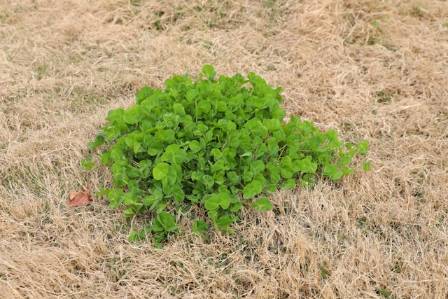
Searching for unique clovers is a major part of the holiday tradition. People often wonder how this tiny plant became a universal symbol of good fortune. Long before the modern festivities of wearing green or attending parties, the story of this plant was already deeply woven into history. Understanding the background of these rare plants adds a layer of appreciation to the holiday celebrations.
BLOCK · en
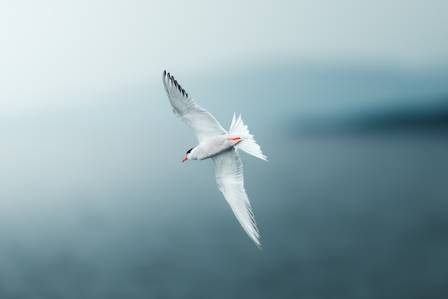
The Arctic Tern: Master of Long-Distance Migration
The Arctic tern (Sterna paradisaea) is a member of the tern family, Sternidae, and is often simply referred to as a tern. This elegant and lightweight seabird weighs only around 100 grams (3.5 ounces), yet it is famous for its incredible endurance and extraordinary migrations.
BLOCK · en

Understanding the Fundamentals of Caloric Equilibrium
The concept of caloric balance centers around the comparison of calorie intake with calorie expenditure. It plays a pivotal role in your overall health and physical fitness, as it dictates whether you maintain, gain, or lose weight over time. Remarkably, caloric balance isn't concerned with the origin of calories, whether they stem from proteins, carbohydrates, or fats; it's solely about the grand total of calories ingested versus calories expended.
BLOCK · en
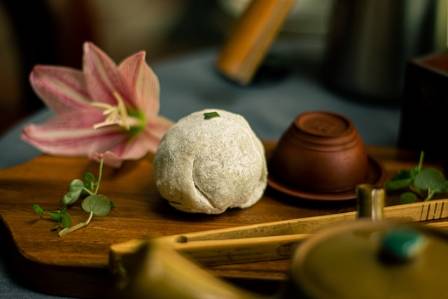
Mochi: From Ancient Japanese Tradition to Global Ice Cream Sensation
My/Mochi Ice Cream has taken the global snack scene by storm, captivating taste buds with its delightful combination of chewy sweet rice dough and creamy premium ice cream. This innovative treat has become a beloved indulgence worldwide, making “mochi” a household name synonymous with a fun, portable ice cream experience. Yet, few may realize that the word “mochi” carries a far richer, more profound history rooted in Japanese culture—one that stretches back centuries, woven into rituals, social hierarchies, and daily life. Beyond the trendy ice cream wrapper lies a food with deep cultural significance, a symbol of sustenance, good fortune, and tradition. As we explore what mochi truly is, its place in Japanese society, and its journey from ancient ritual to modern snack, we uncover a story that connects past and present in every sticky, sweet bite.
BLOCK · en
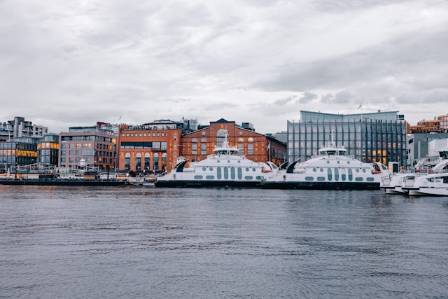
Unique Nordic Natural Sites
The Nordic region is a place of extraordinary natural beauty, offering fresh landscapes, dramatic fjords, breathtaking scenery, unique coastlines, peaceful lakes, and countless islands. Whether you visit during the bright days of summer or the snowy months of winter, the Nordic countries always provide unforgettable experiences.
BLOCK · en
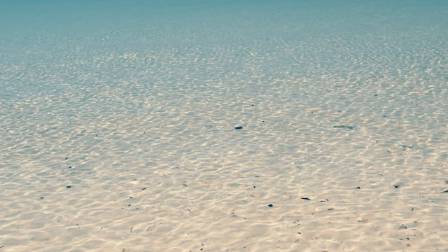
How is beach sand created?
Many tropical islands are surrounded by beaches covered in brilliant white sand. Hawaii, however, offers beaches in a remarkable range of colors, including white, black, green, and red. Bermuda is known for its pinkish sand, while sandy brown is the most common color found along beaches around the world. But what causes these differences in color? Why does some sand feel smooth and powdery while other sand feels coarse beneath your feet? And how does beach sand form in the first place?