
Plaza story
How Meal Timing Influences Biological Aging
Factors like age, gender, caloric intake, and dietary quality all play a crucial role in longevity. A piece of clinical research explored the direct relationship between when we consume our food and how quickly our bodies age biologically. The data indicates that delaying your first and final meals of the day is closely linked to accelerated biological aging.
Jacob Baker
City note
Sunny tip
The full plaza write-up continues below on the positive pulse board.
Board
NYC Good News
Discovering the Ideal Dietary Rhythms
Chrono-nutrition is an emerging field that examines the intersection of eating schedules, internal circadian clocks, and overall wellness. Prior studies in this domain have connected specific habits—such as skipping breakfast or indulging in late-night snacking—to elevated risks of metabolic syndrome, cardiovascular disease, and obesity.
Conversely, approaches like time-restricted feeding, which confines food consumption to a designated daily window, have demonstrated notable metabolic advantages. However, their precise impact on longevity and aging remains a subject of ongoing debate. While animal models show clear benefits, human data are less conclusive and have even hinted at potential increases in cardiovascular mortality.
To clear up these uncertainties, researchers analyzed data from the National Health and Nutrition Examination Survey (NHANES), tracking 14,012 individuals to evaluate how diverse eating patterns influence the aging rates of the heart, kidneys, liver, and the body as a whole.

Why When You Eat Crucially Matters
The analysis revealed that the impact of dietary schedules is highly nuanced, shifting depending on whether you look at whole-body longevity or individual organ health.
The Final Meal: For both the heart and the entire body, biological aging progressed significantly slower in individuals who finished their last meal between 3:00 PM and 5:00 PM compared to those eating after 9:00 PM. However, pushing it too early isn't ideal either; wrapping up dinner before 3:00 PM actually accelerated aging in the liver and heart. Instead, a sweet spot of 5:00 PM to 7:00 PM yielded protective benefits for these specific organs. Late-night dining appears to disrupt metabolic processes during periods meant for cellular rejuvenation and rest, triggering inflammation and spikes in insulin.
The First Meal: Breakfast timing proved equally critical. Across the body, heart, and liver (though notably not the kidneys), delaying the initial meal of the day was tied to faster aging. This trend was especially pronounced when comparing a pre-8:00 AM breakfast to a post-noon first meal.
The Eating Window: Similarly, extending the daily eating window past 16 hours—as opposed to keeping it under 8 hours—was linked to advanced aging in the body, heart, and liver.
Resolving the Paradox: If a compressed eating window slows biological aging, shouldn't skipping breakfast to prolong the fast be a good thing? The study authors clarify that the initial meal establishes the day's metabolic momentum. While pushing breakfast back lengthens the fasting duration, it can simultaneously misalign with the body's natural morning peak in insulin sensitivity, triggering metabolic strain that stresses the heart and liver.
Variations Across Demographics and Habits
The ramifications of these findings were not identical for everyone. When breaking down the study population by distinct traits, several divergent patterns came to light. Elements such as age, biological sex, pre-existing health conditions, caloric volume, and nutritional quality all altered how meal timing affected biological aging, though these effects varied from organ to organ.
Age and Sex: For the majority of metrics, the timing of the first and last meals, alongside overall eating duration, heavily influenced individuals over the age of 40, while leaving younger participants largely unaffected. Furthermore, men were far more sensitive to the specific times of their first and last meals, whereas women's aging rates were more affected by the total duration of their eating and fasting windows.
Caloric Intake: The quantity and caliber of calories consumed also shifted the data. For individuals on a lower-calorie diet, eating schedules were tightly and consistently intertwined with both systemic and organ-specific biological aging. In contrast, these correlations weakened significantly among those with high caloric intakes.
Dietary Quality: For the low-calorie group, the ideal cutoff for the final meal fluctuated slightly depending on which organ's biological clock was measured. However, the overarching consensus was that aging decelerated when the final meal occurred between 3:00 PM and 7:00 PM rather than after 9:00 PM. While this specific rule didn't mirror cleanly in the high-calorie group, delaying the first meal of the day accelerated aging across both high- and low-calorie cohorts.
The Impact of Diet Type: Individuals maintaining highly nutritious diets who postponed their breakfast exhibited accelerated aging in the body and liver—a phenomenon not observed in those with poor dietary habits. However, the group consuming less healthy food showed distinct links between heart aging and delayed first or last meals. Ultimately, stretching the eating window wilderness beyond 16 hours accelerated systemic aging for healthy eaters, and kidney aging for unhealthy eaters.
Conclusion: What, How Much, and When
In essence, this research demonstrates that delaying your first and last meals while overextending your daily eating window is closely tied to accelerated biological aging. This reinforces the core principle of chrono-nutrition: synchronization with our internal biological clocks is vital, making meal timing a potent regulator of how we age.
A closer look at the data underscores the necessity of a personalized strategy rather than a one-size-fits-all guideline, given the sharp differences observed across various age brackets and genders. Any effective wellness roadmap must simultaneously weigh what you eat, the volume you consume, and precisely when you consume it. As the evidence highlights, poor meal timing can blunt the perks of an otherwise pristine diet, while eating poorly at the wrong times altogether can severely compound the damage to your body.
More from the plaza
BLOCK · en

Overview: My Personal Selection of Top 5 Professional Colored Pencils
In this article, I’ll be sharing my personal top five picks for professional-grade colored pencils. This list follows up on my earlier ranking of budget-friendly colored pencils. Now, while I'm not entirely sure if this classification is formally endorsed by any official organizations like the UK Colored Pencil Society or the Colored Pencil Society of America, I’ve come to distinguish between “Artist Grade” and “Artist Quality” pencils based on years of hands-on testing and experience.
BLOCK · en

Top Family-Friendly SUVs
When I first began reviewing vehicles, I made a case to my editor at my previous workplace: I wanted to evaluate every car from a family perspective. Many manufacturers advertise their SUVs as family-ready, but that doesn’t always match reality once you actually install car seats and load up kids.
BLOCK · en

Best Classic British Cars in History
From Sean Connery cruising in the legendary Aston Martin DB5 as James Bond, to the unmistakable charm of the Mini and the elegant curves of the Jaguar E-Type, British automotive history is filled with unforgettable machines.
BLOCK · en

Dongchuan Red Land: Where China’s Hills Turn Red
Dongchuan Red Land is a remarkable highland region located in Dongchuan District, Yunnan Province, China. Situated approximately 155 miles (250 kilometers) northeast of Kunming, the area lies at elevations ranging from around 5,900 to 8,500 feet (1,800 to 2,600 meters).
BLOCK · en

Beginner’s Guide to Winter Off-Roading
Freezing temperatures don’t mean your off-road vehicle has to sit unused until spring. In fact, winter off-roading is a popular way for enthusiasts to get outside when cabin fever sets in. Snow-covered trails can be exciting, but they also demand extra preparation—especially for beginners. Before heading out, it’s important to understand how to prepare your vehicle, adjust your driving style, and stay safe in harsh conditions.
BLOCK · en
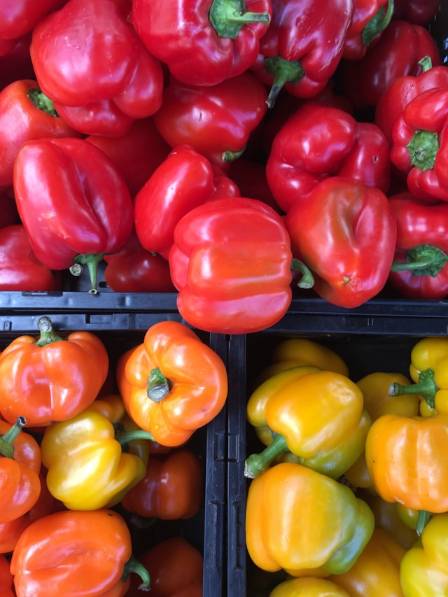
Unlocking Vitamin C Richness: Beyond Citrus, 10 Unexpected Sources
Contrary to common belief, vitamin C isn't solely confined to citrus fruits. Here's a revelation: there are alternative fruits and vegetables boasting high vitamin C content, ensuring a robust immune system and overall well-being. Elevate Your Immune Health with These Surprisingly Vitamin C-Packed Foods