Plaza story
Unlocking Vitamin C Richness: Beyond Citrus, 10 Unexpected Sources
Contrary to common belief, vitamin C isn't solely confined to citrus fruits. Here's a revelation: there are alternative fruits and vegetables boasting high vitamin C content, ensuring a robust immune system and overall well-being. Elevate Your Immune Health with These Surprisingly Vitamin C-Packed Foods
Jackson Miles
City note
Sunny tip
The full plaza write-up continues below on the positive pulse board.
Board
NYC Good News
Contrary to common belief, vitamin C isn't solely confined to citrus fruits. Here's a revelation: there are alternative fruits and vegetables boasting high vitamin C content, ensuring a robust immune system and overall well-being. Elevate Your Immune Health with These Surprisingly Vitamin C-Packed Foods
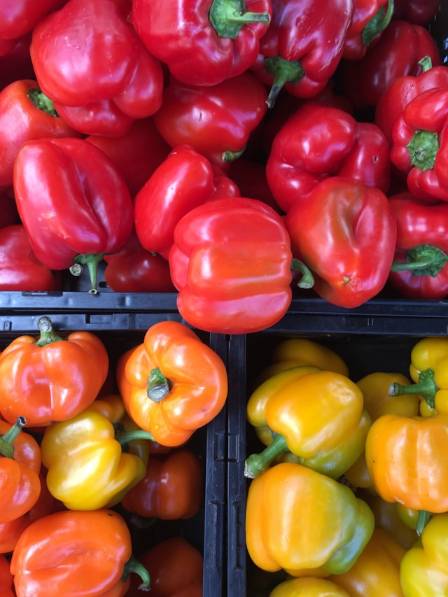
Red Capsicum
Vitamin C Powerhouse: A red capsicum outshines oranges, offering nearly three times the vitamin C. Its antioxidants and vitamin A content further enhance eye health, making it a delightful and nutritious addition to your diet.
Guava
Crunchy Marvel: With 4.3 times more vitamin C than oranges, guava emerges as a fiber-rich, sweet yet low glycemic index (GI) snack. Ideal for those managing diabetes or monitoring sugar levels.
Mango
Tropical Versatility: Abundant in tropical regions, mangoes serve as a versatile vitamin C source. Whether indulging in the sour notes of a young mango or the sweetness of a ripe one, it's a treat on its own or a delightful addition to various dishes.
Chilli
Spicy Surprise: Surprisingly, chillies provide almost three times the vitamin C of oranges per 100 grams. However, moderation is key to avoid potential stomach discomfort and diarrhea.
Melon
Sweet Nutrient Bomb: Melons, sweet and nutrient-packed, offer a healthy dessert choice. A mere cup can fulfill your daily vitamin C needs, making it a delicious and refreshing option.
Papaya
Double the Delight: With over twice the recommended daily vitamin C intake, papaya's availability throughout the year makes it a convenient choice. Its soft texture appeals to both young and old palates.
Strawberries
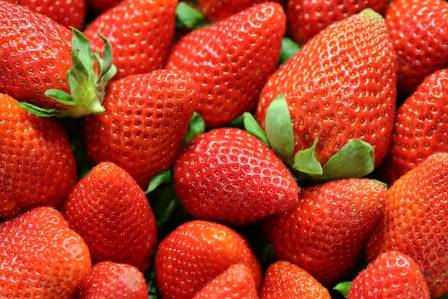
Berry Bliss: Highly nutritious strawberries deliver nearly 85mg of vitamin C per cup. Beyond their delightful taste, they contribute to preventing conditions like diabetes and high blood pressure.
Kale
Superfood Salad Base: Kale, a nutrient-packed superfood, serves as an excellent vitamin C source when enjoyed raw. Its anti-inflammatory properties and nutritional benefits shine in salads.
Kiwis
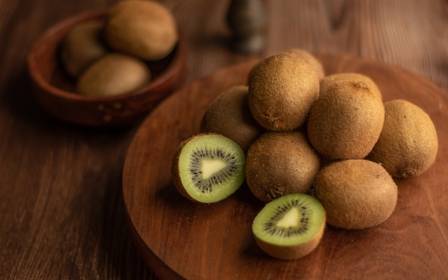
Vitamin C Wonder: A single medium-sized kiwi fulfills your daily vitamin C requirement. Kiwi fruits not only boost vitamin C intake but also promote digestion, healthy skin, and reduce the risk of stroke and cardiovascular disease.
Moringa Leaves
Nature's Multivitamin: Moringa leaves, a staple in Indian cuisine, are a treasure trove of vitamins and minerals, boasting seven times more vitamin C than oranges. Whether stewed, stir-fried, or in supplement form, moringa leaves offer a potent immune boost.
As you unveil these 10 unexpected vitamin C sources, consider integrating them into your daily diet to fortify your immunity against the flu and various diseases. Embrace the diverse, flavorful world beyond traditional citrus fruits for a vibrant and robust well-being.
More from the plaza
BLOCK · en
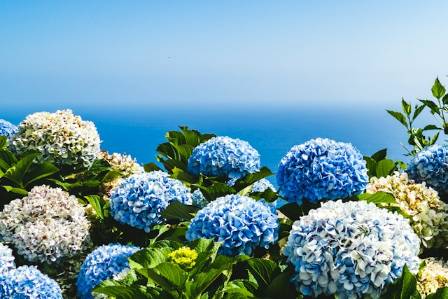
Hydrangea: The Beauty of Repeat Flowering Plants
Recent advances in hydrangea breeding have created an impressive range of repeat-blooming varieties. Traditional hydrangeas generally form their flower buds on growth produced during the previous year, while many newer cultivars can develop buds on both old wood and new wood. In Portland, this can result in a long flowering season that begins in June and continues until the first frost.
BLOCK · en

10 luxury high‑rise condominium developments
10 luxury high‑rise condominium developments
BLOCK · en

The 2-Inch Rule: Why Your Nightstand Shouldn’t Touch Your Bed
The Verdict: For optimal bedroom design, your nightstand should never sit flush against your bed. Maintaining a small gap of 2 to 4 inches is the key to a space that feels organized, functional, and visually spacious. Let’s explore why this small distance makes a significant difference in both the aesthetics and practicality of your bedroom.
BLOCK · en

The Giants That Shape Africa’s Ecosystems
African elephants are the largest animals that live on land. They are generally bigger than their Asian relatives and are easily identified by their enormous ears, whose outline is often compared with the shape of the African continent. Asian elephants, by contrast, have ears that are smaller and more rounded.
BLOCK · en

Seven Mind Blowing Secrets About Rhinos You Likely Never Knew
These animals are truly remarkable yet tragically rare today. We have gathered a collection of captivating insights about them. These creatures remain some of the most impressive beings on the planet.
BLOCK · en
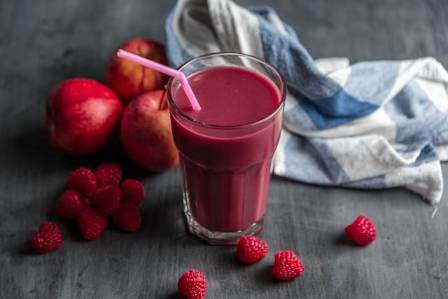
Is Juicing Healthier Than Eating Whole Fruits and Vegetables?
In short, no—juicing is not inherently healthier than eating fruits and vegetables in their whole form.