Plaza story
Beneath the Waves: A Silent Ocean Crisis
In the remote outer atolls of the Seychelles, divers from the Pristine Seas expedition discovered thriving marine habitats. Mauritian anemonefish and orange basslets gathered among clusters of sea anemones and soft corals, illustrating the remarkable diversity found in these relatively undisturbed waters.
Elvina Shaw
City note
Sunny tip
The full plaza write-up continues below on the positive pulse board.
Board
NYC Good News
In the remote outer atolls of the Seychelles, divers from the Pristine Seas expedition discovered thriving marine habitats. Mauritian anemonefish and orange basslets gathered among clusters of sea anemones and soft corals, illustrating the remarkable diversity found in these relatively undisturbed waters.
Adventure Scientists Collaborative volunteers have been exploring beneath the ocean surface to better understand the extent of microplastic contamination in aquatic environments. The divers working with National Geographic Explorer-in-Residence Dr. Enric Sala’s Pristine Seas team are dedicated to locating, studying, and protecting some of the ocean’s remaining wild areas. Over the past year, members of the team have also been collecting underwater samples for the ASC Global Microplastics Initiative.
During a scientific expedition in Palau, the Pristine Seas team observed a variety of hard corals growing across the shallow seafloor, including Staghorn coral. These reefs provide important habitat for a wide range of marine species.
Microplastics Affect Marine Life Throughout the Food Chain
Marine organisms of virtually every size can be impacted by microplastic contamination. Smaller aquatic animals may accidentally consume these tiny plastic particles, after which the plastics can move through the food web as predators consume contaminated prey. Along with the plastic itself, this process can transport toxic substances that are often absorbed onto or carried by plastic particles.
The Pristine Seas team incorporated the results from its ASC microplastic samples into a report submitted to the Government of Palau. Since that research was conducted, the team has continued collecting samples from other remote marine environments, including the Seychelles and Baffin Bay.
Microplastic Findings in Palau
During the Palau expedition, the Pristine Seas team obtained 22 samples. Half were collected directly from the ocean surface, while the remaining samples came from depths of three and five metres.
ASC microplastics researcher Abby Barrows discovered that the samples taken beneath the surface contained more microplastic particles than those collected at the surface. The underwater samples contained 263 pieces of microplastic in total, compared with 191 pieces identified in the surface samples.
These findings demonstrated that examining only the ocean’s surface may not provide a complete picture of the amount of plastic pollution present in marine environments.
Microplastic Levels in the Seychelles
The Pristine Seas expedition team collected another 22 samples in the Seychelles, taking samples both at the surface and below the waterline.
Barrows identified an average of six microplastic particles per litre across the Seychelles samples. The highest concentration reached 52 pieces per litre, while only one of the samples contained no plastic at all.
Once again, the samples collected below the surface contained greater quantities of microplastics, reinforcing the importance of examining different depths when studying marine plastic pollution.
Protecting Palau’s Marine Environment
The expedition’s discoveries also contributed to broader conservation efforts in Palau. The research helped inspire the country’s president to establish a National Marine Sanctuary covering approximately 80 percent of Palau’s territorial waters.
The decision represented a significant step toward protecting the country’s marine ecosystems and the many species that depend on them.
Marine Wildlife Observed During the Expeditions
During the expedition off Palau, two manta rays were observed gliding gracefully through the water near the Pristine Seas divers. The enormous rays moved through the ocean while filtering plankton from the surrounding seawater.
In the shallow waters of Aldabra Lagoon in the Seychelles, young blacktip reef sharks approached the expedition’s camera as the team surveyed the area. Their presence provided another example of the rich marine wildlife found within these remote ecosystems.
At Assumption Island, a large potato cod followed one of the Pristine Seas divers during the Seychelles expedition. Encounters such as this allowed researchers to document the behavior and diversity of wildlife inhabiting these isolated waters.
Exploring the Waters of Baffin Island
The Pristine Seas team also traveled to Canada’s Baffin Island, where the landscape changes dramatically between seasons. During winter, the island’s inlets become covered with ice and remain frozen for extended periods. When summer arrives and temperatures rise, the ice begins to melt, gradually opening the waterways again.
The expedition also documented polar bears moving across the frozen landscape of Baffin Island. Researchers were studying the region to better understand how changes in sea ice are influencing local wildlife and the broader Arctic ecosystem.
More from the plaza
BLOCK · en
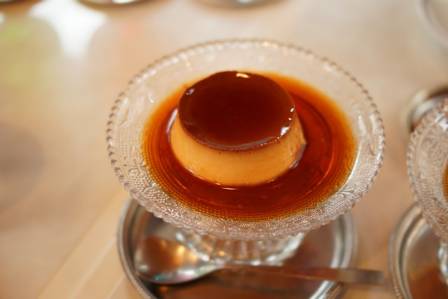
Creamy Low-Fat Caramel Pudding Recipe
This rich-tasting pudding manages to stay low in fat while providing a good dose of calcium.
BLOCK · en
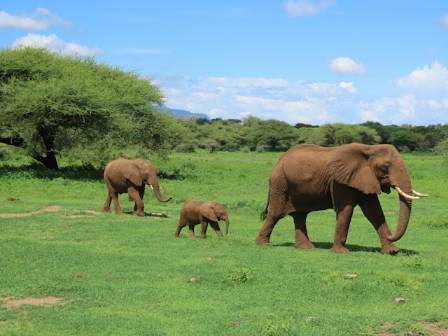
The Giants That Shape Africa’s Ecosystems
African elephants are the largest animals that live on land. They are generally bigger than their Asian relatives and are easily identified by their enormous ears, whose outline is often compared with the shape of the African continent. Asian elephants, by contrast, have ears that are smaller and more rounded.
BLOCK · en
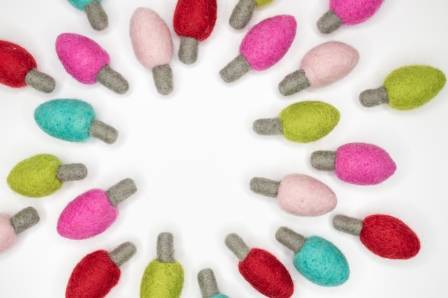
7 Fascinating Facts About Felt
Felt is an ancient and versatile material with a rich history and many practical uses that continue today. From crafts to music, here are some intriguing facts about this unique fabric.
BLOCK · en

Cute, Weird, and Unique Robots
Modern robots have become smarter than ever, capable of responding to their surroundings and completing a variety of tasks independently, without human supervision. As a result, robots are now widely used in industries such as manufacturing. According to the International Federation of Robotics, an estimated 1.7 million new robots were expected to be installed in factories worldwide by 2020.
BLOCK · en
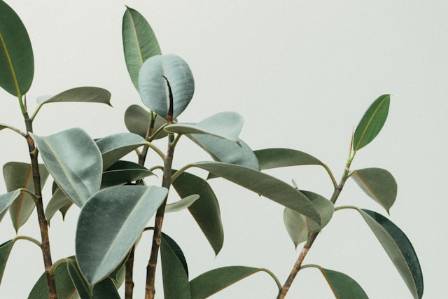
Why Autumn Leaves Are a Hidden Treasure for Your Lawn
While raking leaves might seem like a seasonal chore, those colorful layers are actually a powerful gift to your yard. Instead of bagging them for municipal pickup, consider keeping them around. As they decompose, leaves release valuable minerals like potassium and phosphorus that enrich your soil.
BLOCK · en
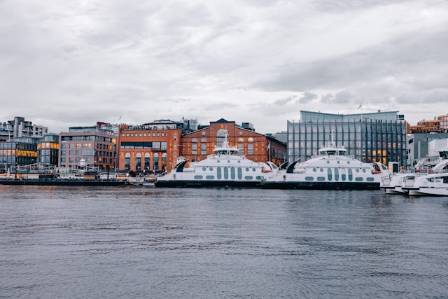
Unique Nordic Natural Sites
The Nordic region is a place of extraordinary natural beauty, offering fresh landscapes, dramatic fjords, breathtaking scenery, unique coastlines, peaceful lakes, and countless islands. Whether you visit during the bright days of summer or the snowy months of winter, the Nordic countries always provide unforgettable experiences.