Plaza story
Paint Watercolor Sunflowers In Easy Steps
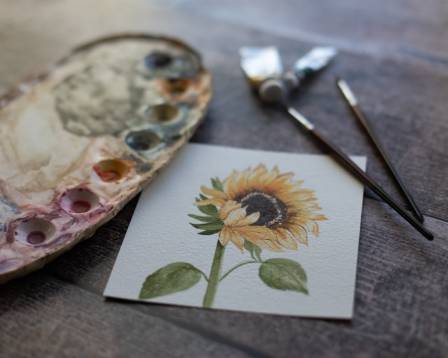
Vincent Van Gogh’s abstract sunflower paintings from the 1880s remain iconic and continue to inspire artists around the world. In this guide, we’ll explore how to capture the vibrant energy of sunflowers in a loose, expressive watercolor style using just a few essential colors.
Skyler Quinn
City note
Sunny tip
The full plaza write-up continues below on the positive pulse board.
Board
NYC Good News
Vincent Van Gogh’s abstract sunflower paintings from the 1880s remain iconic and continue to inspire artists around the world. In this guide, we’ll explore how to capture the vibrant energy of sunflowers in a loose, expressive watercolor style using just a few essential colors.
Tools & Supplies
Brushes:
Princeton Round Detail Brush 9650R-2
Princeton Heritage Series 4050 Round Brush
Watercolor Essentials:
Watercolor palette
Binder clips (to secure individual sheets)
Adjustable desktop easel
Paint Colors:
Ultramarine Blue (Winsor & Newton / Daniel Smith)
New Gamboge (Winsor & Newton / Daniel Smith)
Burnt Umber (Winsor & Newton / Daniel Smith)
Paper:
Arches Cold Press Watercolor Block, 9” x 12”, 140 lb
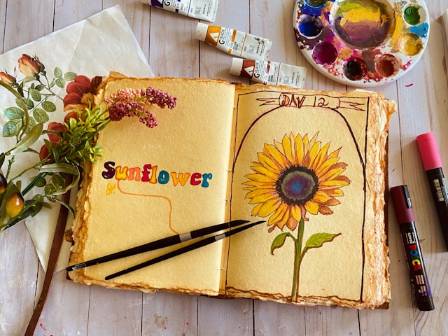
Step-by-Step: Painting Abstract Sunflowers
Step 1: Lay Down the Base Shapes
For a lively and spontaneous effect, work quickly. Pre-mix your colors and keep them in separate wells for convenience.
Mix a soft mid-green: 70% New Gamboge + 30% Ultramarine Blue, diluted to a thin, tea-like consistency.
Prepare a warm neutral for the sunflower centers: Burnt Umber + a touch of Ultramarine, cream consistency.
Tilt your paper about 30 degrees. Using the larger round brush, loosely paint three sunflower heads in New Gamboge. Focus on the general shapes, not individual petals. A springy synthetic brush works well for these organic forms.
Step 2: Paint the Stems
Using some of the pre-mixed green, add the stems. Allow the yellow flower to slightly blend with the green—natural color merging creates a lively effect. Avoid overworking the paint; a few confident strokes are enough.
Step 3: Add Leaves
Create a few leaf shapes along the stems, offset from each other rather than perfectly symmetrical. Connect them to the stems with thin lines.
Step 4: Build Up Stems and Leaves
Repeat the process for additional stems and leaves. Introduce darker green touches in some areas for depth and tonal variation.
This technique is called a variegated wash, where slight variations in hue mimic the natural diversity of color found in plants. It adds realism and visual interest.
Step 5: Paint the Flower Centers
Ensure the previous layers are mostly dry before moving on. Check the paper by lightly touching the back of your hand—if it feels cool, it’s still slightly wet.
Switch to a smaller detail brush and paint the seed clusters using the Burnt Umber + Ultramarine mix. The Ultramarine cools the brown slightly, giving a warm neutral that contrasts beautifully with the yellow petals.
Step 6: Shade the Petals
Once the centers are complete, glaze the petals with thin layers of New Gamboge to add dimension. Watercolor is transparent, so each glaze deepens the color of the underlying layer naturally.
By following this approach, you’ll create a lively, abstract sunflower painting that captures the essence of the flower without getting lost in minutiae. Loose shapes, wet-on-wet blending, and subtle variegated washes combine to make a dynamic and vibrant watercolor piece.
More from the plaza
BLOCK · en
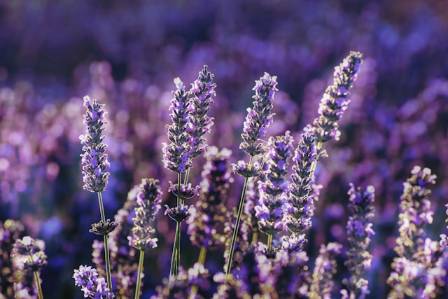
9 Flowers That Bloom Year-Round
While many flowers follow a seasonal cycle, there are some that bloom continuously throughout the year. Once you discover which flowers have this impressive ability, you might want to fill your space with them. After all, it’s common to feel a bit down when vibrant, colorful flowers fade away (so make sure to plant some winter blooms to keep the cheer alive).
BLOCK · en
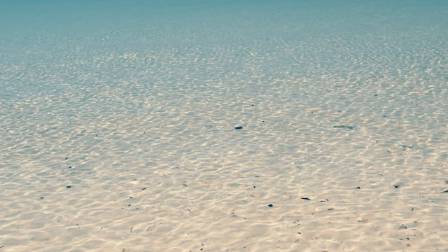
How is beach sand created?
Many tropical islands are surrounded by beaches covered in brilliant white sand. Hawaii, however, offers beaches in a remarkable range of colors, including white, black, green, and red. Bermuda is known for its pinkish sand, while sandy brown is the most common color found along beaches around the world. But what causes these differences in color? Why does some sand feel smooth and powdery while other sand feels coarse beneath your feet? And how does beach sand form in the first place?
BLOCK · en

The Essential Guide to Suit Selection: 7 Key Elements of Style
A perfectly tailored suit is unparalleled in its ability to bolster a man’s self-assurance. The ideal silhouette and shade can transform any man’s presence, lending him a refined, cinematic elegance the moment he enters a room. Selecting the right garment requires a deep understanding of several foundational factors, ranging from construction methods to the finer stylistic nuances.
BLOCK · en

15 Health Benefits of Orange Juice: A Nutritional Powerhouse
Orange juice stands as one of the most beloved and widely consumed fruit juices across America, yet its full spectrum of health benefits often goes underestimated. Beyond its refreshing taste, this vibrant beverage is a treasure trove of essential nutrients, including high levels of flavonoids, vitamins, and minerals, all working in harmony to support overall wellness. Research consistently highlights the advantages of incorporating orange juice into a daily diet, from its potent antioxidant properties to its role in preventing chronic diseases and promoting bodily functions. Whether enjoyed at breakfast, as a midday pick-me-up, or paired with meals, orange juice offers far more than just hydration—it’s a natural supplement that nurtures the body in countless ways. Below, we delve into 15 remarkable health benefits that make orange juice a staple for anyone prioritizing a healthy lifestyle.
BLOCK · en
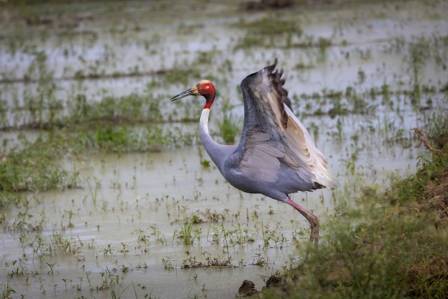
The world's tallest flying bird
The Sarus Crane (Antigone antigone) is a remarkable bird recognized for its exceptionally long legs and towering stature. It is considered the tallest flying bird in the world, with an average height of about 150 centimeters.
BLOCK · en

7 Fascinating Facts About Felt
Felt is an ancient and versatile material with a rich history and many practical uses that continue today. From crafts to music, here are some intriguing facts about this unique fabric.