Plaza story
The world's tallest flying bird
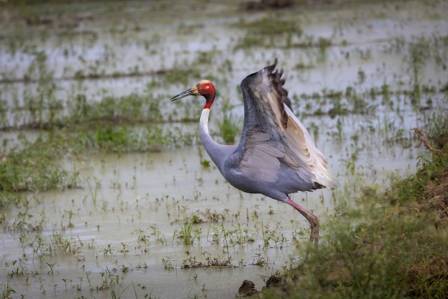
The Sarus Crane (Antigone antigone) is a remarkable bird recognized for its exceptionally long legs and towering stature. It is considered the tallest flying bird in the world, with an average height of about 150 centimeters.
Mireya Sloan
City note
Sunny tip
The full plaza write-up continues below on the positive pulse board.
Board
NYC Good News
The Sarus Crane (Antigone antigone) is a remarkable bird recognized for its exceptionally long legs and towering stature. It is considered the tallest flying bird in the world, with an average height of about 150 centimeters.
Habitat
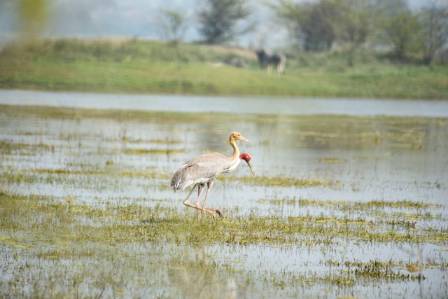
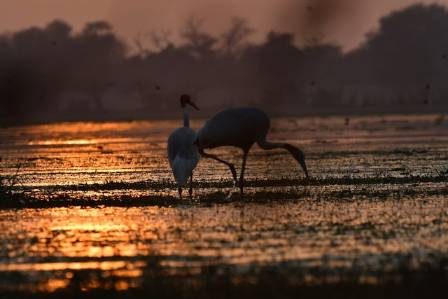
Sarus Cranes are primarily associated with wetlands, marshes, and open grasslands, where they can obtain food and find appropriate locations for nesting.
These cranes occur across India, Nepal, and several areas of Southeast Asia.
In India, they are frequently found in states including Uttar Pradesh, Bihar, Rajasthan, and Assam.
Wetland ecosystems are particularly important to Sarus Cranes, as these habitats provide essential resources for their survival and reproduction.
The Sarus Crane has been officially designated as the state bird of Uttar Pradesh.
Beyond South Asia, Sarus Cranes also occur in parts of Australia, particularly Queensland and the Northern Territory.
Conservation Status
The Sarus Crane is classified as “Vulnerable” by the International Union for Conservation of Nature (IUCN).
In India, the species is legally protected under Schedule 3 of the Wildlife Protection Act of 1972. This legislation provides protection against activities such as illegal hunting and capture.
Threats Facing Sarus Crane Populations
Sarus Crane numbers have been affected by several environmental and human-related pressures.
The loss and degradation of wetland habitats are among the most serious challenges facing these cranes.
Hunting and disturbance caused by people near breeding areas can also interfere with successful reproduction and negatively affect local populations.
Pesticides and other forms of environmental pollution pose additional risks because they can harm the cranes directly and reduce the quality or availability of their food sources.
Cultural Importance in India
The Sarus Crane has considerable cultural and religious significance in various parts of India, particularly in Uttar Pradesh, where it has been designated as the state bird.
Within Hindu traditions, the crane is associated with Lord Brahma, who is regarded as the creator of the universe.
According to Hindu mythology, the bird’s red head is connected with the creative strength and energy of Lord Brahma.
The Sarus Crane is also viewed as a representation of fertility, good fortune, and prosperity.
Conservation of the Sarus Crane
1. Protecting and Restoring Habitat
Because Sarus Cranes rely strongly on wetland ecosystems, conserving and maintaining these habitats is fundamental to their long-term survival. Expansion of agriculture, urbanization, and industrial development can result in the loss of important wetlands, so these activities need to be carefully planned and controlled.
Restoration of degraded wetlands can also provide cranes with additional suitable habitat. Restoration efforts may involve establishing native vegetation, eliminating invasive plant species, and regulating water levels to preserve appropriate ecological conditions.
2. Increasing Public Awareness
Improving knowledge among local communities, farmers, and other groups is an important component of Sarus Crane protection.
Educational programs, conservation projects involving local communities, and public media campaigns can help people recognize the ecological value of the species and understand why its habitat needs to be protected.
3. Strengthening Legal Protection
The Sarus Crane receives protection under India’s Wildlife Protection Act, which prohibits activities including hunting, killing, and capturing these birds.
Effective enforcement of existing laws, combined with stronger consequences for illegal activities, can help reduce human-caused threats and contribute to the recovery of Sarus Crane populations.
4. Encouraging Sustainable Agriculture
Sarus Cranes frequently make use of farmland as feeding habitat. Supporting more environmentally sustainable agricultural practices can therefore benefit the species.
Reducing reliance on pesticides and chemical herbicides can lower the risks to the cranes while also helping preserve healthier and more abundant food resources.
5. Promoting International Cooperation
Sarus Cranes can cross national borders and occur in countries such as Pakistan, Nepal, and other parts of Southeast Asia. Protecting the species across such a broad range therefore requires cooperation between nations.
Collaborative conservation programs, the exchange of scientific and population information, and coordinated habitat-protection measures can help preserve Sarus Cranes throughout their distribution.
More from the plaza
BLOCK · en

Xiamen Twin Towers: Where the Plum Blossom Blooms Above the Water
Inspired by Xiamen's city flower, the triangular Plum Blossom, Gensler's Xiamen Shimao Straits Tower is a mixed-use development featuring twin towers that appear to bloom above the water on a shared podium. The design honours the city's local heritage while embodying the innovative spirit driving Xiamen's rapid growth, with the towers responding to their unique position at the meeting of water and land.
BLOCK · en

The Luminous Kitchen: 6 Budget-Friendly Secrets to an Airy, Open Space
The trend toward bright, airy kitchens shows no signs of slowing down—and for good reason. As urban living often means adapting to more compact layouts, creating a sense of spaciousness has become essential for comfort. Even in a generously sized kitchen, thoughtful design choices that enhance light and flow can significantly uplift the atmosphere.
BLOCK · en
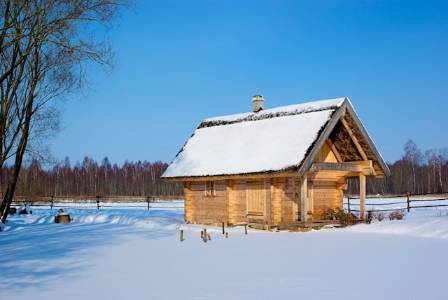
A Lakeside Swedish Log House In The Snow
In southern Sweden, winter can feel long, freezing, and exceptionally dark, encouraging people to spend much of their time indoors. Evenings are often enjoyed at home by the warm glow of candles, with plenty of hearty comfort food to make the cold season more inviting.
BLOCK · en

The Changing Nightscape in the Era of Urban Transformation
A recent photographic study of a coastal landscape at night provided a poignant introduction to a scholarly dialogue regarding the intersection of metropolitan environments and historical analysis. The visual scene depicts a dusky environment where trees and residential architecture are illuminated by scattered lamps, while a distant city appears as a glowing silhouette against the horizon. This image effectively highlights how contemporary urban areas are now visually distinct from natural landscapes due to the pervasive reach of nocturnal lighting. Investigating the history of nighttime illumination reveals how this phenomenon has long been overlooked, despite being a constant presence in the daily lives of global populations.
BLOCK · en
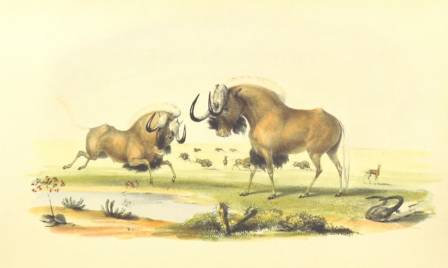
African animal art
For centuries, African animal art has served as a means for various tribes to illustrate the intricate bond between humans and the natural world. Symbolism lies at the heart of this artistic tradition. From ancient cave paintings to intricate sculptures and ceremonial masks, African depictions of animals have continually evolved while retaining their cultural significance.
BLOCK · en

Planning the Perfect Seaside Vacation: A Comprehensive Guide
Choosing the right destination is the first step toward planning a successful seaside getaway. Think about important factors such as the weather, ease of travel, and the activities you would like to enjoy during your stay. Popular options include tropical islands, charming coastal communities, and lively cities located along the shore. Whether your goal is to unwind or experience exciting adventures, there is a seaside destination that can match your preferences.