Plaza story
The Eyes Have It: The Moai of Easter Island
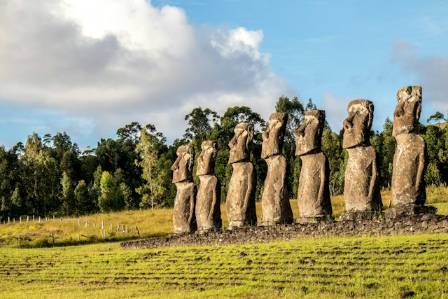
The enormous moai statues of Easter Island have remained among the world’s most mysterious ancient monuments. Nearly a thousand years after they were created, these monumental figures continue to raise unanswered questions, much like other famous enigmas such as Egypt’s pyramids and Stonehenge. They also represent the only surviving form of artistic expression left behind by the island’s original inhabitants.
Auren Sinclair
City note
Sunny tip
The full plaza write-up continues below on the positive pulse board.
Board
NYC Good News
The enormous moai statues of Easter Island have remained among the world’s most mysterious ancient monuments. Nearly a thousand years after they were created, these monumental figures continue to raise unanswered questions, much like other famous enigmas such as Egypt’s pyramids and Stonehenge. They also represent the only surviving form of artistic expression left behind by the island’s original inhabitants.
The Origins of Easter Island
Easter Island lies in the Pacific Ocean approximately 2,200 miles west of Chile. The island was originally known as Rapa Nui and was settled by Polynesian people around 800 CE. Its modern name came from Dutch explorers who arrived on Easter Sunday in 1722.
By the time Europeans reached the island, its population had already declined significantly. Extensive deforestation, an infestation of rats and the effects of the South American slave trade had contributed to the destruction of the island’s ecosystem and left relatively few inhabitants.
The Meaning and Placement of the Moai
The word moai is understood to mean “so that he can exist,” and each statue represented an important individual or ancestor. Approximately 1,000 moai can be found across Easter Island, with individual figures ranging from around 6 to 33 feet in height.
The statues were carved from volcanic stone, including volcanic ash and basalt, at quarry sites before being transported toward different parts of the island. Not every statue reached its intended destination. Some broke during transportation, while others apparently proved impossible to move and were left where they had fallen.
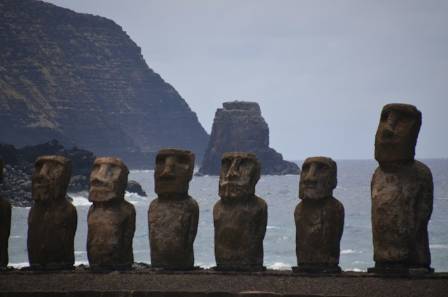
Once installed, many of the statues were positioned facing inland, with their backs toward the sea. This arrangement is traditionally understood as allowing the figures to watch over the island, its inhabitants and the land associated with them.
Research conducted by scientists at Binghamton University in New York has suggested that the locations of the moai may have been carefully selected in relation to the island’s freshwater resources. Fresh drinking water was extremely limited on Rapa Nui, and the positioning of the statues may have helped mark areas where water was available or indicate the movement of groundwater.
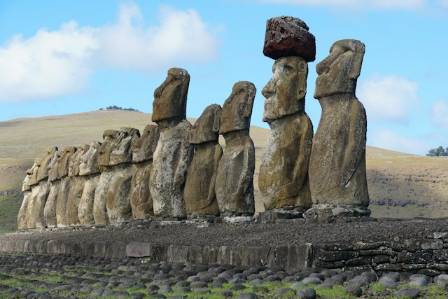
Some moai also originally featured red stone hats or topknots known as pukao. These enormous additions could weigh as much as 13 tons, and some researchers have proposed that their form may have been connected with vessels used to carry water.
How the Moai Were Created
Radiocarbon evidence indicates that the statues were carved between approximately 1100 and 1500 CE. Although archaeologists still do not know precisely how the Rapa Nui people carved and transported such enormous figures, volcanic stone was relatively soft and could be shaped using stone tools known as toki as well as pumice.
Various methods may have been used to move the statues, including stones, ropes and wooden logs. Because of their enormous weight and size, the figures were generally carved while lying horizontally. They could then be raised into an upright position when they were ready to be transported or installed.
A number of unfinished statues remain at the island’s quarry sites, providing evidence of the carving process and showing that some figures were abandoned before completion. The backs of certain moai are also decorated with petroglyphs whose meanings have not yet been fully deciphered.
The Appearance of the Moai
Each moai is characterized by a huge body, an elongated face and highly exaggerated facial features. Although many of the statues share a recognizable overall form, individual figures can look surprisingly different from one another.
This variation was intentional. The statues were created to represent particular people, and their features were intended to reflect the characteristics or identity of the individuals they commemorated.
For many years, some observers believed that the famous Easter Island figures were nothing more than enormous heads. In reality, the statues have full bodies, but much of their lower sections became buried beneath accumulated earth over centuries.
As the centuries passed, many of the moai were knocked over or fell from their original positions. Their upright forms were restored only in modern times as archaeological and conservation efforts revealed their buried bodies and returned some of the figures to standing positions.
The Spiritual Importance of the Moai
The moai were far more than monumental works of stone. For the Rapa Nui people, they possessed profound spiritual significance and were regarded as sacred and powerful representations of their ancestors.
The statues were believed to contain and embody the spiritual force, or mana, of the deceased person they represented. This spiritual presence was an essential part of the statue’s purpose and helped explain why these enormous figures were created and carefully positioned.
Among the most significant components were the eyes. Made from white shells and coral, the eyes were installed only after a statue had been placed in its final position. They were believed to be essential to activating or bringing the figure to life, allowing the ancestral presence represented by the moai to watch over the people and land.
Only one original example of a complete moai eye is known to have survived, making it an especially important piece of evidence for understanding the spiritual and ceremonial role of these extraordinary statues.
More from the plaza
BLOCK · en
Top Most Colorful Birds in the World: Nature’s Living Rainbows
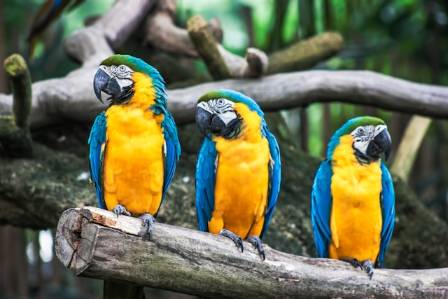
Birds are nature’s flying masterpieces, adorned with vibrant hues that captivate the eye and stir the imagination. Some species boast such vivid, almost otherworldly colors that they feel like creations of fantasy rather than reality. These feathered beauties are admired globally for their aesthetic appeal, studied for their unique biological traits, and cherished by birdwatchers as prized sightings. In this article, we explore 10 of the world’s most colorful birds, delving into their habitats, behaviors, cultural significance, and conservation status—each a testament to nature’s boundless creativity.
BLOCK · en
Choose the Best Chair for Back Pain
Back pain can turn ordinary everyday activities into uncomfortable experiences, and spending hours sitting in an unsuitable chair can often increase the problem. Choosing the right chair for back pain can significantly improve comfort, posture, and overall daily well-being.
BLOCK · en

Why is an Orca Not a Whale?
Many ocean enthusiasts consider the “killer whale” one of their favorite marine animals. However, despite the common name, the orca (Orcinus orca) is not technically a true whale. This powerful ocean predator actually belongs to the dolphin family.
BLOCK · en
The 10 Finest Portrayals of Beaches in Art History
Summer invites us to wander through galleries and museums worldwide, just as it beckons us to the sunlit shores of beaches. Why not merge these two pleasures when possible? We’ve curated 10 exceptional depictions of beaches in art—some are tangible locations you can visit, while others exist only in the realm of imagination, waiting to be explored through the artist’s vision.
BLOCK · en

Top Family-Friendly SUVs
When I first began reviewing vehicles, I made a case to my editor at my previous workplace: I wanted to evaluate every car from a family perspective. Many manufacturers advertise their SUVs as family-ready, but that doesn’t always match reality once you actually install car seats and load up kids.
BLOCK · en
10 ways baking brings us joy
Savor blissful moments with our freshly baked bread—crafted to elevate every meal to perfection.