Introduction
Birds are nature’s flying masterpieces, adorned with vibrant hues that captivate the eye and stir the imagination. Some species boast such vivid, almost otherworldly colors that they feel like creations of fantasy rather than reality. These feathered beauties are admired globally for their aesthetic appeal, studied for their unique biological traits, and cherished by birdwatchers as prized sightings. In this article, we explore 10 of the world’s most colorful birds, delving into their habitats, behaviors, cultural significance, and conservation status—each a testament to nature’s boundless creativity.
1.Scarlet Macaw (Ara macao)
Native to the tropical rainforests of Central and South America, the Scarlet Macaw is a symbol of tropical splendor, its plumage a striking blend of brilliant red, bright yellow, and deep blue that embodies the essence of rainforest vibrancy. Beyond its visual allure, this parrot is highly intelligent and social, often spotted flying in pairs or small flocks, with loud, echoing calls that resonate through the forest canopy. Ecologically vital, it plays a key role in seed dispersal, helping maintain forest diversity by spreading seeds across vast areas. Revered in indigenous cultures, the Scarlet Macaw is a star attraction in ecotourism hotspots like Costa Rica and Peru; while classified as Least Concern, it faces threats from habitat loss and illegal pet trade.
2.Indian Peafowl (Pavo cristatus)
Known colloquially as the peacock, the Indian Peafowl is one of the most iconic and flamboyant birds on Earth, celebrated for its extravagant tail feathers and regal presence. The male’s iridescent blue and green plumage, adorned with shimmering “eye” patterns on its elongated tail, creates a mesmerizing spectacle during courtship—when it fans out its tail in a dramatic display, shaking it to produce a rustling sound that lures potential mates. Females, in contrast, have more subdued brown plumage, as only males sport the ornate tail. Deeply rooted in cultural symbolism, the peacock represents beauty, grace, and immortality in Indian mythology and is India’s national bird. Thriving in forests, farmlands, and temple grounds across India and Sri Lanka, it is classified as Least Concern, its feathers inspiring fashion, art, and symbolism for centuries.
3.Resplendent Quetzal (Pharomachrus mocinno)
A rare and sacred jewel of Central America’s cloud forests, the Resplendent Quetzal boasts ethereal beauty with its rich emerald-green plumage, striking crimson breast, and flowing, elongated tail feathers that trail elegantly in flight. The male’s tail, which can grow up to three times the length of its body, adds to its majestic appearance, making it a sought-after sight for birdwatchers. Revered by ancient civilizations like the Maya and Aztecs, who viewed it as a symbol of freedom and divine connection to royalty, the quetzal remains Guatemala’s national bird today. Inhabiting montane cloud forests, it is elusive and spotting one in the wild is considered a spiritual experience. Classified as Near Threatened, its survival is challenged by habitat fragmentation and deforestation.
4.Mandarin Duck (Aix galericulata)
Often hailed as the world’s most beautiful duck, the Mandarin Duck is a study in grace, gliding serenely across calm wooded ponds and slow-moving rivers in its native East Asia—though it has been introduced to other parts of the world due to its popularity. Males are exceptionally striking, with bold orange “sail-like” feathers on their backs, iridescent blue crests, and a mosaic of green, purple, and white plumage that looks hand-painted. Females, by comparison, have muted gray-brown feathers, highlighting the male’s vivid coloration. A powerful symbol of love and fidelity in Chinese culture, Mandarin Ducks are often seen in pairs, reinforcing their association with romantic devotion. Classified as Least Concern, they adapt well to protected wetland habitats, enchanting observers with their elegant presence.
5.Rainbow Lorikeet (Trichoglossus moluccanus)
A burst of color and energy in Australian landscapes, the Rainbow Lorikeet is a small parrot that lives up to its name, with a bright blue head, green wings, orange chest, and yellow thighs creating a kaleidoscopic effect. Sociable and noisy, these birds are often spotted darting through coastal bushlands, rainforests, and even urban parks in large, chattering flocks. Their specialized brush-tipped tongues are perfectly adapted to extract nectar and pollen from flowers, making them crucial pollinators in their ecosystem—they also feed on fruits and berries. Native to Australia and parts of Indonesia, Rainbow Lorikeets have thrived in urban environments, often visiting backyard bird feeders. Classified as Least Concern, their joyful chirps and vibrant plumage make them a beloved sight in Australian cities and natural areas alike.
6.Wilson’s Bird-of-Paradise (Cicinnurus respublica)
A master of courtship and color, Wilson’s Bird-of-Paradise is a tiny but extraordinary species native to the Indonesian islands of Waigeo and Batanta. The male is a visual marvel, with a neon turquoise crown, bright red and yellow body, and unique spiral-shaped tail feathers that set it apart from all other birds. To attract mates, males clear a patch of forest floor to create a “stage,” where they perform intricate dances—hopping, fluttering, and displaying their plumage in a mesmerizing ritual. Females, with their dull brown feathers, play the role of discerning spectators. Classified as Near Threatened due to habitat loss, this bird is rarely seen in the wild, making it a holy grail for wildlife photographers and bird enthusiasts.
7.Gouldian Finch (Erythrura gouldiae)
Dubbed Australia’s “living gem,” the Gouldian Finch is a tiny passerine that looks like a work of art, with a vibrant mix of red, yellow, green, purple, and black plumage—some individuals even display all these colors simultaneously. Native to the tropical savannah woodlands of northern Australia, these shy birds prefer the safety of tree canopies, living in small flocks and feeding on grass seeds. A unique trait is their three distinct color morphs, determined by head color: red, black, or yellow. Despite their beauty, Gouldian Finches are classified as Near Threatened, facing threats from habitat destruction, wildfires, and competition with invasive species. Conservation programs have been launched to protect their populations, ensuring these colorful little birds continue to grace Australia’s savannas.
8.Lilac-Breasted Roller (Coracias caudatus)
Africa’s “flying rainbow,” the Lilac-Breasted Roller is a favorite among safari-goers and bird photographers, admired for its aerial acrobatics and dazzling plumage. Its lilac-colored breast, turquoise wings, green crown, and blue tail create a stunning spectrum of color that stands out vividly against the savanna landscape. Often spotted perched on tree branches or telephone wires, it swoops down with precision to catch insects, small reptiles, and rodents. During courtship, it performs dramatic flight displays—rolling, diving, and twisting through the air—hence its name “roller.” Inhabiting open woodlands and savannas across sub-Saharan Africa, this bird is classified as Least Concern, its vibrant appearance making it a symbol of African wildlife and a common feature in tourism campaigns.
9.Keel-Billed Toucan (Ramphastos sulfuratus)
An icon of Central and South American rainforests, the Keel-Billed Toucan is instantly recognizable thanks to its large, rainbow-colored beak—though the beak is surprisingly light and hollow, made of keratin. Its plumage is equally vivid: a bright yellow chest, black back, and red undertail feathers complement its multi-hued bill, making it one of the world’s most colorful birds both in plumage and facial features. Social and playful, these toucans live in small flocks, using their beaks to pluck fruit from tree branches with ease—they also eat insects and small vertebrates. Their loud, frog-like calls echo through the forest canopy, adding to the jungle’s soundscape. Inhabiting lowland rainforests, the Keel-Billed Toucan is classified as Least Concern, its quirky appearance and behavior making it a beloved symbol of tropical biodiversity.
10.Nicobar Pigeon (Caloenas nicobarica)
A fascinating relative of the extinct dodo, the Nicobar Pigeon is a metallic marvel, its plumage shimmering with iridescent greens, blues, and coppers that shift in the light like a kaleidoscope. Native to remote islands in Southeast Asia and the Pacific, it prefers coastal forests and mangroves, often flying between islands in search of fruit, seeds, and buds. Unlike most pigeon species, it is a migratory bird, traveling long distances to find food and breeding grounds. Its striking appearance and unique evolutionary lineage make it a living treasure of the avian world. Classified as Near Threatened, the Nicobar Pigeon faces threats from habitat loss, hunting, and the illegal pet trade—conservation efforts are underway to protect its fragile island habitats.
Conclusion
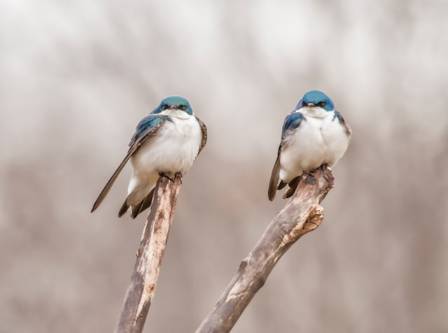
For centuries, colorful birds have captivated humans with their beauty, behaviors, and unique adaptations, serving as reminders of nature’s endless creativity. From the rainforests of Central America to Australia’s savannas and Africa’s savannas, these feathered wonders add vibrancy and charm to ecosystems around the world. While some species thrive, others face pressing challenges from habitat loss, climate change, and human activity. Learning about these magnificent birds is the first step toward protecting them—by valuing their role in nature and supporting conservation efforts, we can ensure that future generations will continue to marvel at these living rainbows. Whether spotted in the wild, in protected reserves, or even urban parks, these birds deserve our admiration, study, and unwavering commitment to preservation.