Plaza story
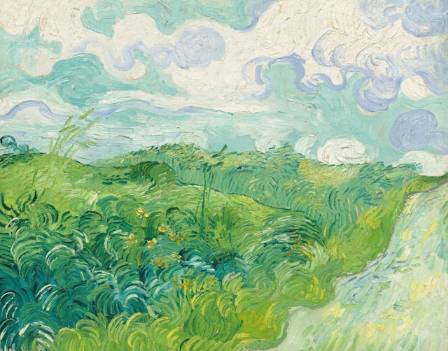
Textured Landscapes Painting
When it comes to painting landscapes, creating a sense of realism and depth often hinges on how you depict the textures found in nature—whether it’s the rugged bark of a tree, the soft sway of grass, or the glimmering surface of a pond.
Reese Harper
City note
Sunny tip
The full plaza write-up continues below on the positive pulse board.
Board
NYC Good News
When it comes to painting landscapes, creating a sense of realism and depth often hinges on how you depict the textures found in nature—whether it’s the rugged bark of a tree, the soft sway of grass, or the glimmering surface of a pond.
Understanding which brushes to choose and how to use them creatively is key to mastering these textures. In this guide, we’ll explore how different brushes and techniques can help you render natural elements in textured, engaging acrylic landscapes.
Why Texture is Important in Landscape Art
Texture does more than please the eye—it tells a story. Layering and varying textures can guide the viewer’s gaze, evoke mood, and make your scene feel immersive. The right technique can make a meadow appear breezy, a forest dense and mysterious, or a river crisp and flowing—all through the way you handle paint.
Choosing the Right Brushes for Texture
To convey natural textures convincingly, you’ll want a selection of brushes, each offering different effects:
1. Fan Brushes
Best for: Grassy fields, pine needles, wispy clouds, and foliage layers.
Effect: Multiple lines in a single stroke that imitate the irregularity of natural growth.
2. Filbert Brushes
Best for: Tree canopies, smooth stones, and soft petals.
Effect: Rounded, blended shapes with gentle transitions for a natural look.
3. Flat Brushes
Best for: Wide skies, water reflections, and blocky rock forms.
Effect: Clean, even coverage or sharp lines for structured textures.
4. Round Brushes
Best for: Branches, stems, and small details.
Effect: Fine points for detail or broad strokes when pressed, offering versatility.
5. Palette Knives
Best for: Bark, rugged terrain, impasto highlights.
Effect: Thick, tactile marks that add dimension and roughness.
6. Stippling Brushes or Deerfoot Stipplers
Best for: Shrubs, dense foliage, or gravel paths.
Effect: Natural, dappled textures through repeated tapping.
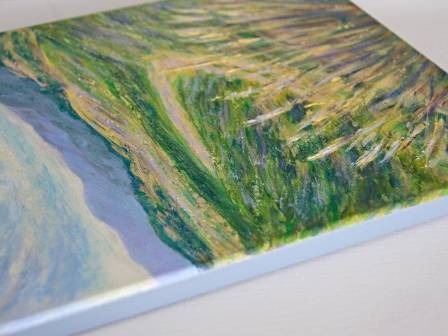
Techniques for Rendering Natural Textures
1. Layering to Build Depth
Begin with a large flat or filbert brush for the background, then layer progressively with smaller brushes and drier paint to create midground and foreground detail. This builds the illusion of depth and tactile texture.
2. Dry Brushing
Drag a nearly dry fan or flat brush lightly over dry paint to create scratchy textures—perfect for weathered wood, rough rocks, or windswept grass.
3. Stippling & Tapping
Hold a round brush or stippler upright and dab to create foliage, wildflowers, or bark textures. Vary the colors and density for a more natural effect.
4. Scumbling & Scraping
Use a stiff brush or palette knife to apply broken, light layers over dried paint. This works well for rocky surfaces or sparkling water.
5. Edge Work
Use the corner or side of a filbert or flat brush for crisp edges—ideal for silhouetted leaves, branches, or jagged mountain ridges.
Example: Painting a Forest with Texture
Background Sky: Smoothly blend with a flat or filbert brush.
Trunks & Large Foliage: Block in with flats, then add bark texture with a palette knife.
Leaves & Underbrush: Layer fan or stippling strokes with different greens for dense, leafy coverage.
Finishing Touches: Highlight with a dry brush or knife edge, and use a small round brush for twigs and grass tips.
Conclusion: Experiment and Discover
Every element of nature—trees, stones, grass, clouds—has its own texture and rhythm. By combining brushes and varying techniques, you can bring these qualities to life in your acrylic landscapes. With practice, your paintings will not only capture the scene but also the tactile essence of nature itself.
Enhance your landscape paintings with URARTSTUDIO’s range of brushes and art tools. Explore our step-by-step tutorials and tips to elevate your skill in painting textures and portraying the beauty of the natural world.
More from the plaza
BLOCK · en

Manned mission to Moon fires engines to leave Earth’s orbit
At a press briefing, Lori Glaze, NASA’s deputy associate administrator, shared her excitement: for the first time since Apollo 17 mission, humans have officially traveled beyond Earth’s orbit. She confirmed that the crucial engine burn was completed successfully without any issues.
BLOCK · en
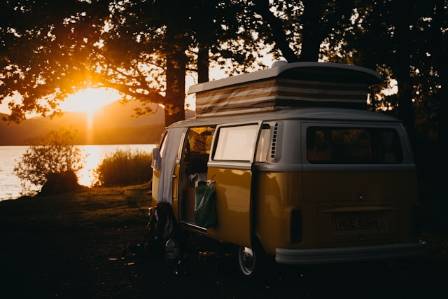
5 Affordable Campers That Prove Adventure Doesn't Require a Fortune
The common perception that recreational vehicles demand extravagant budgets is being challenged by a new wave of budget-friendly campers hitting the market. Manufacturers are increasingly focusing on affordable models that maintain essential features while keeping prices accessible. Here are five noteworthy options that deliver camping enjoyment without financial strain.
BLOCK · en
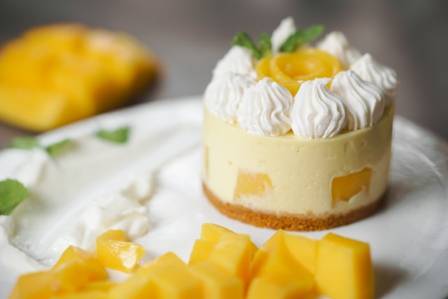
Let Them Eat Mango Cake: 4 Irresistible Recipes for Every Gathering
Mango and cake are a match made in tropical heaven—sweet, juicy, and bursting with sunshine, mango elevates any cake from ordinary to extraordinary. Whether you’re hosting a summer brunch, celebrating a birthday, or simply craving a indulgent treat, mango cakes strike the perfect balance of fruity brightness and creamy comfort. Unlike overly sweet desserts, mango’s natural sweetness—with hints of citrus and floral notes—pairs beautifully with buttery cake bases, creamy frostings, and warm spices, creating layers of flavor that feel both refreshing and satisfying. Today, we’re diving into four of our favorite mango cake recipes, each with unique twists to suit different tastes—from classic combinations to gluten-free options—plus insights into why mango cake is a crowd-pleaser and pro tips to make your baking a success.
BLOCK · en
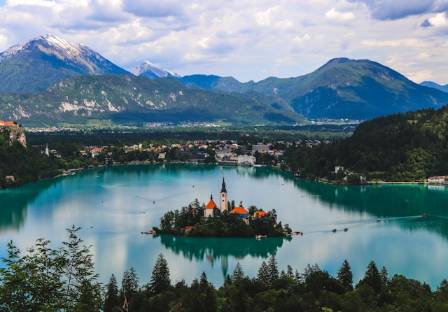
The Most Beautiful Things to Do in Lake Bled, Slovenia
Lake Bled feels like a page from a fairy tale: emerald lake waters framed by the Julian Alps, a cliffside castle, and a tiny island church that seems straight out of a postcard. This guide distills 18 standout experiences into a concise, energized itinerary, so you can plan a trip that blends adventure, scenery, and a touch of medieval magic.
BLOCK · en
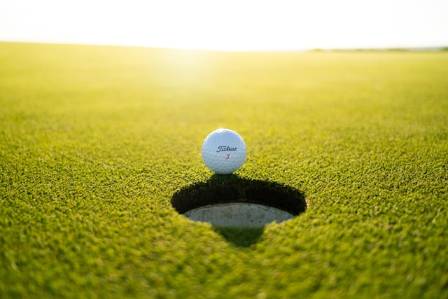
The Evolution of the Golf Ball
The golf ball we know today has undergone numerous transformations throughout history. Its development can be traced through five major stages, beginning in the 14th century with wooden balls and culminating in the modern rubber-core designs. Exploring this history reveals how technology and innovation shaped the game of golf.
BLOCK · en
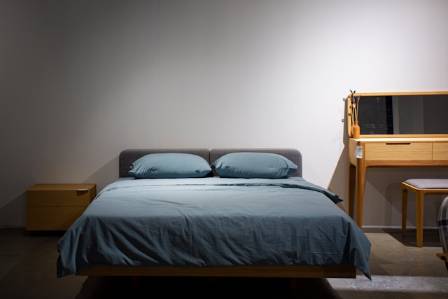
How Upgrading to an Extra Large Bed Can Revolutionize Your Sleep and Bedroom Decor
Selecting the correct proportions for a sleep surface completely alters both nightly rest and the layout of a bedroom. An extra-large bed offers significant advantages, primarily centered on unparalleled physical comfort. By providing much more width and length than standard double or queen models, it allows couples to shift positions freely throughout the night without waking one another. Minimizing these micro-awakenings directly leads to deeper sleep cycles, which are vital for daily cellular repair, stress reduction, and overall cognitive wellness. Furthermore, the expansive surface area naturally accommodates high-performance mattresses, including specialized memory foam and orthopedic designs that provide targeted anatomical support. This superior structural alignment helps keep the spine in a neutral position, which gradually alleviates chronic back discomfort, reduces morning joint stiffness, and corrects poor posture. The increased space also enhances blood circulation by allowing individuals to fully extend their limbs, resulting in a healthy and therapeutic resting environment that directly contributes to long-term physical wellness.