Mourning Dove (Zenaida macroura): Ecology, Behavior, and Conservation

Plaza story

Mourning Dove (Zenaida macroura): Ecology, Behavior, and Conservation

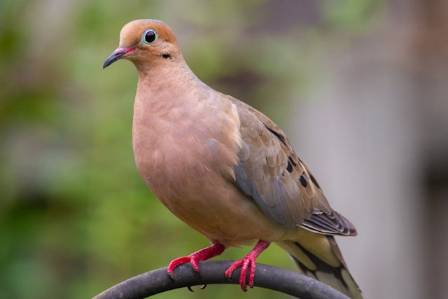
The Mourning Dove (Zenaida macroura) stands as one of the most abundant and widely distributed terrestrial birds native to North and Middle America. Renowned for its distinctive mournful vocalization—from which its common name derives—this species has adapted seamlessly to human-altered landscapes, making it a familiar sight in rural, suburban, and urban areas alike. Beyond its cultural recognition, it holds ecological and recreational significance, serving as North America’s leading gamebird while playing roles in seed dispersal and food webs. Its resilience, coupled with unique biological traits, has made it a subject of extensive scientific study and conservation focus.

F

Felix

City note

Sunny tip

The full plaza write-up continues below on the positive pulse board.

Board

NYC Good News


Introduction: A Widespread and Iconic North American Bird

The Mourning Dove (Zenaida macroura) stands as one of the most abundant and widely distributed terrestrial birds native to North and Middle America. Renowned for its distinctive mournful vocalization—from which its common name derives—this species has adapted seamlessly to human-altered landscapes, making it a familiar sight in rural, suburban, and urban areas alike. Beyond its cultural recognition, it holds ecological and recreational significance, serving as North America’s leading gamebird while playing roles in seed dispersal and food webs. Its resilience, coupled with unique biological traits, has made it a subject of extensive scientific study and conservation focus.

Taxonomy, Subspecies, and Distribution

Classified as Least Concern (LC) by conservation authorities, the Mourning Dove comprises five subspecies, with two principal forms dominating its range: the larger, grayish-brown Zenaida macroura carolinensis (eastern subspecies) and the slightly smaller, paler Z. m. marginella (western subspecies). Breeding populations span parts of southern Canada, all 48 contiguous U.S. states, and extend into temperate regions of Mexico. This broad distribution reflects the species’ adaptability as a habitat generalist, thriving in diverse open environments while avoiding only extensive forests and wetlands. Its relative abundance is striking—ranking 11th among 251 North American bird species—and the U.S. population is estimated at approximately 350 million individuals.

Habitat Adaptation: Thriving in Human-Modified Landscapes

A key to the Mourning Dove’s success lies in its flexibility toward habitat. It capitalizes on human changes to the North American landscape, occupying a wide range of environments from farmsteads and suburban yards to grasslands and open woodlands. The species shows a strong preference for open spaces, where it can forage easily and nest in trees, shrubs, or even man-made structures like utility poles and building ledges. Its willingness to nest around human settlements and frequent bird feeders has endeared it to the public, fostering a close coexistence between the dove and people across its range.

Movements and Migration: Partial Migratory Behavior

The Mourning Dove is a partial migrant, with migration patterns tied to latitude. Breeding populations in northern regions are fully migratory, traveling south to warmer climates (such as the southern U.S. and Mexico) for winter. In contrast, individuals in southern latitudes remain resident year-round, taking advantage of milder temperatures and consistent food availability. This flexibility allows the species to maximize breeding opportunities in northern areas during summer while avoiding harsh winters, contributing to its widespread presence and population stability.

Breeding Strategy: Protracted Nesting and Parental Care
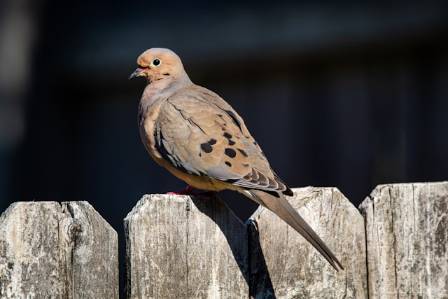
The Mourning Dove’s reproductive strategy is tailored for high productivity. It has a fixed clutch size of 2 eggs and a prolonged breeding season, with multiple nesting attempts possible every 30 days. In southern latitudes, nesting can occur nearly year-round. Like other columbids (pigeons and doves), both males and females share incubation duties, and both parents feed newly hatched chicks “crop milk”—a nutrient-rich secretion produced by the lining of their crop. This unique form of parental care ensures young receive essential nutrients for rapid growth, supporting the species’ ability to replenish populations despite high mortality rates.

Ecological and Human Value: From Gamebird to Backyard Favorite

Beyond its ecological role as a seed disperser and prey for predators like hawks and owls, the Mourning Dove holds significant human value. It is North America’s most harvested gamebird, with approximately one million hunters annually taking more than 20 million birds—exceeding the combined harvest of all other migratory game birds. Simultaneously, its gentle demeanor, widespread occurrence, and tendency to nest near homes make it a beloved backyard visitor, cherished by birdwatchers and nature enthusiasts for its accessibility and familiar call.

Demography: Short Life Span and Population Dynamics

The Mourning Dove is a short-lived species, with an average adult life span of roughly one year. This high turnover is balanced by its prolific breeding strategy, which allows populations to recover quickly from losses due to hunting, predation, or environmental factors. Its population dynamics have been closely studied, with research highlighting the interplay between reproduction, survival, and harvest pressure—key considerations for sustainable management of the species.

Conservation, Management, and Research Priorities
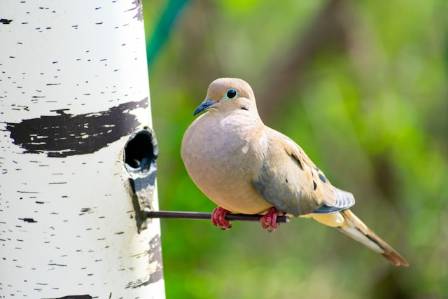
While the Mourning Dove remains abundant, conservation and management efforts are focused on maintaining population health. Extensive scientific literature on the species was synthesized in Baskett et al.’s 1993 book, which remains a definitive resource for detailed information. Recent research has emphasized population biology, harvest characteristics, development of improved harvest management strategies, and evaluation of lead poisoning risks— a growing concern due to the bird’s ingestion of lead shot from hunting areas. These efforts aim to ensure the species’ long-term viability while balancing recreational hunting interests and ecological health.

More from the plaza

BK

BLOCK · en

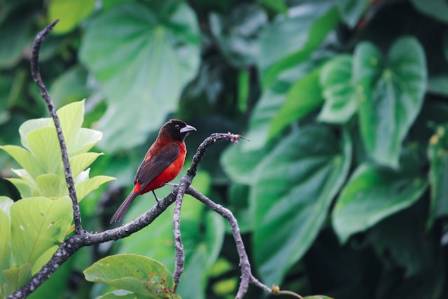
Moss-backed Tanager

Moss-backed Tanager

The Moss-backed Tanager is a classic member of the chunky-bodied Bangsia tanager group. It has a relatively large head covered in violet-blue feathers, which creates a strong contrast with its mostly muted green body. A bright yellow patch in the center of the upper breast adds another distinctive feature to its appearance.

BK

BLOCK · en

The 7 Essential Ocean Facts Everyone Ought to Understand

The 7 Essential Ocean Facts Everyone Ought to Understand

The ocean is far more than just a vast expanse of blue stretching across our planet’s surface—it is the beating heart of Earth, a silent force that sustains every living thing, shapes our landscapes, and governs the very conditions that make life possible. For all we see and know of its shores and surface, the ocean remains one of the planet’s greatest mysteries, holding secrets yet to be uncovered and power we are only beginning to fully comprehend. Understanding its core importance isn’t just a matter of curiosity; it’s a necessity for protecting the world we call home. Here are seven fundamental truths about the ocean that every person should know.

BK

BLOCK · en

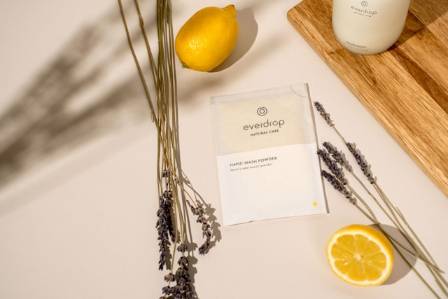
Scented Sachet Do's and Don'ts

Scented Sachet Do's and Don'ts

Scented sachets have been used for hundreds of years. Some of the earliest examples appeared in medieval Europe, when people filled small fragrance pouches to freshen linens and help mask unwanted smells. Although the materials and designs have changed over time, the basic purpose remains unchanged: sachets provide an easy, passive method for keeping enclosed areas pleasantly scented.

BK

BLOCK · en

Floating Cream on Coffee

Floating Cream on Coffee

Creating the perfect cup of coffee is a journey that many people enjoy refining over time. For those who like adding cream, getting that smooth, elegant layer floating on top can transform an ordinary drink into something visually stunning and indulgent. Achieving this effect isn’t just about pouring—it involves understanding a bit of science along with proper technique. Here’s a refreshed guide to help you master it.

BK

BLOCK · en

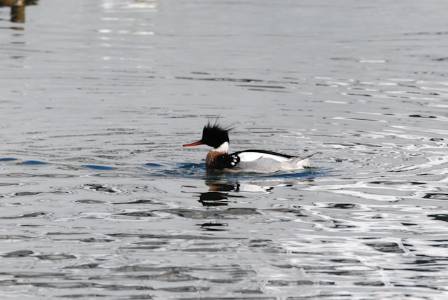
Learning About Red-Breasted Mergansers Key Facts and Insights

Learning About Red-Breasted Mergansers Key Facts and Insights

When we think of ducks, we often picture birds that munch on pond weeds and other green plants—round, highly buoyant creatures that bob on the water’s surface like floating bath toys. But there’s at least one group of ducks that defies all these common assumptions. Mergansers, a genus of ducks, retain the raptor-like traits of their ancestors, and the red-breasted merganser stands out as an exceptional example of this. The reddish breast that gives this species its common name is most visible in males when they have their breeding plumage.

BK

BLOCK · en

15 Races in the US That Every Runner Needs To Do

15 Races in the US That Every Runner Needs To Do

For runners, the motivation to tie up our shoes is as varied as the races themselves. We chase personal goals, the thrill of competition, the weight of a finisher's medal, and the incredible community spirit. The real challenge isn't getting out the door, but choosing which iconic event to target. To help you decide, we've curated a list of the most legendary and breathtaking races across the United States.