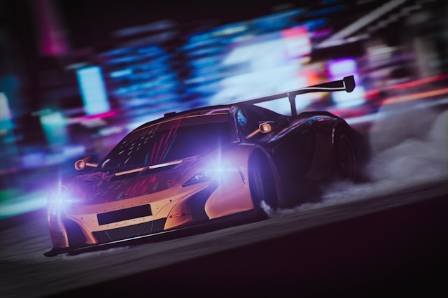
Plaza story
The Evolution of Modern Racing Cars: From Track to Road
Nothing embodies the thrill of speed and technological innovation quite like a racing car. Over the decades, these high-performance machines have not only transformed the world of motorsports but also influenced the vehicles we drive daily.
William Clark
City note
Sunny tip
The full plaza write-up continues below on the positive pulse board.
Board
NYC Good News
Nothing embodies the thrill of speed and technological innovation quite like a racing car. Over the decades, these high-performance machines have not only transformed the world of motorsports but also influenced the vehicles we drive daily.
From early experimental prototypes to the cutting-edge engineering marvels of today, racing cars have served as laboratories for innovation, efficiency, and adrenaline-pumping excitement.
Whether you’re a motorsport fan, a car enthusiast, or an engineering student curious about the science of velocity, this article explores the fascinating journey of modern racing cars. We’ll trace their history, examine how they’ve impacted everyday vehicles, and look at how they are shaping a more sustainable future.
Early Beginnings: Pioneering Engineering and Breakthroughs
The story of racing cars begins in the late 1800s, when motorized vehicles first competed to see which could cover distances fastest and last the longest. Events like the Paris–Bordeaux–Paris race in 1895 marked the dawn of competitive racing. These early vehicles were rudimentary—wooden wheels, basic brakes, and low-powered engines—but they revealed enormous potential to revolutionize transport.
Key Innovations From Early Racing:
Internal Combustion Engines: Competitive racing helped refine early engines, improving reliability for both racing and everyday automobiles.
Aerodynamics and Weight Reduction: Engineers quickly realized that lighter cars and streamlined shapes significantly enhanced speed and efficiency.
Tire Technology: Racing spurred advancements in tires, leading to the development of rubber and pneumatic options for improved traction and control.
Manufacturers like Daimler-Benz (today’s Mercedes-Benz) were at the forefront, creating engineering breakthroughs that bridged the gap between racetrack technology and consumer cars.
How Racing Shaped Road Cars
Though race cars and daily drivers might appear worlds apart, many modern car features originate from racing innovations. Technologies initially designed for the track have gradually trickled down into everyday vehicles.
Racing Innovations Adopted for Street Use:
Disc Brakes: First used in Formula 1 during the 1950s, disc brakes offered superior stopping power and became standard in passenger cars by the 1970s.
Turbochargers: Introduced to increase racing engine output, turbochargers are now widely used in consumer cars to enhance both power and efficiency.
Traction Control: Originally developed to maintain racing stability, traction control now helps everyday drivers handle slippery or challenging road conditions.
Take the Porsche 911, for instance. Its sleek design, engine placement, and aerodynamics all reflect lessons learned from decades of motorsport experience.
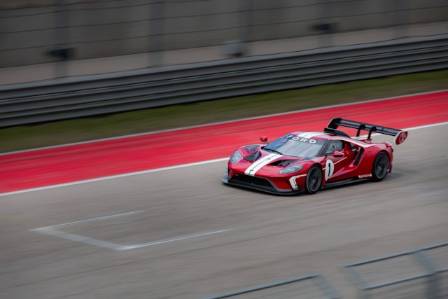
Engineering: Driving Speed, Safety, and Precision
Behind every successful race car is a team of engineers dedicated to making vehicles faster, safer, and more reliable. Over time, engineering has turned racing from a dangerous spectacle into a highly sophisticated, data-driven discipline.
Engineering Innovations Transforming Racing:
Telemetry Systems: Modern race cars transmit real-time data, allowing pit crews to make critical adjustments in seconds.
Advanced Materials: Carbon fiber and other lightweight composites improve the power-to-weight ratio while increasing crash protection.
Active Suspension: These systems enhance cornering grip and stability, delivering better handling at high speeds.
These innovations don’t just benefit racers—they save lives. Safety features like roll cages and crumple zones, first developed for track cars, are now standard in passenger vehicles.
Sustainability and the Future of Racing
Racing has always been about pushing limits, and today that includes environmental responsibility. Motorsports are increasingly embracing green technologies, from alternative fuels to electric drivetrains.
Trends in Sustainable Racing:
Hybrid and Electric Powertrains: Formula E demonstrates that electric cars can be fast and exciting, while hybrid systems in endurance racing combine efficiency with performance.
Biofuels: Many racing leagues are experimenting with biofuels to reduce emissions without sacrificing speed.
Aerodynamic Efficiency: Cutting drag not only improves performance but also reduces energy consumption.
These advances are already influencing commercial vehicles. Automakers like Tesla, Toyota, and Porsche leverage racing research to enhance the electric and hybrid cars they offer to consumers.
Impact on Fans and the Automotive Industry
For enthusiasts, the legacy of racing cars inspires a passion for speed, craftsmanship, and technology. From watching live races to restoring historic race cars, motorsport remains a powerful source of inspiration.
For the automotive industry, racing is an invaluable testing ground. Manufacturers gain insights into performance, safety, and design, which ultimately improve production cars. A strong racing pedigree also shapes brand identity: the track successes of Ferrari, McLaren, and BMW reinforce their reputations as premium, performance-driven carmakers.
Racing Cars: A Continuous Evolution
The evolution of racing cars showcases human ingenuity and relentless ambition. From the earliest combustion engines to today’s high-tech electric racers, each era reflects a commitment to speed, safety, and innovation.
Motorsport goes beyond entertainment—it transforms the way we drive. It drives innovation in safety, technology, and sustainability, leaving a lasting mark on the automotive world.
For motorsport fans, engineers, and car lovers, the story is far from finished. Innovation remains the fuel that propels racing forward, and with every lap, the future of automotive technology accelerates ever faster.

More from the plaza
BLOCK · en

Textured Landscapes Painting
When it comes to painting landscapes, creating a sense of realism and depth often hinges on how you depict the textures found in nature—whether it’s the rugged bark of a tree, the soft sway of grass, or the glimmering surface of a pond.
BLOCK · en

Strategies for Crafting Premium Sparkling Fruit Infusions
Achieving the perfect balance of flavor and carbonation can transform ordinary hydration into a refreshing, gourmet experience. By mastering a few simple techniques, you can maximize the natural essence of your ingredients and create sparkling drinks that are both healthy and vibrant. The following guidelines are designed to optimize the infusion process for the best results.
BLOCK · en

Overview: My Personal Selection of Top 5 Professional Colored Pencils
In this article, I’ll be sharing my personal top five picks for professional-grade colored pencils. This list follows up on my earlier ranking of budget-friendly colored pencils. Now, while I'm not entirely sure if this classification is formally endorsed by any official organizations like the UK Colored Pencil Society or the Colored Pencil Society of America, I’ve come to distinguish between “Artist Grade” and “Artist Quality” pencils based on years of hands-on testing and experience.
BLOCK · en

Torre de Collserola: Barcelona’s Futuristic Communications Tower
The Torre de Collserola is a strikingly distinctive tower standing on Tibidabo hill in the Serra de Collserola range, overlooking Barcelona, Catalonia, Spain.
BLOCK · en

The Ultimate Buyer's Guide for Outdoor Lounge Chairs
Selecting the right outdoor lounge chairs is an important step for anyone who wants to create a more comfortable and stylish outdoor living area. Whether you are refreshing an existing patio, designing a garden escape, or building a relaxing space from scratch, the right lounge chairs can bring together comfort, beauty, and practicality.
BLOCK · en

Moss-backed Tanager
The Moss-backed Tanager is a classic member of the chunky-bodied Bangsia tanager group. It has a relatively large head covered in violet-blue feathers, which creates a strong contrast with its mostly muted green body. A bright yellow patch in the center of the upper breast adds another distinctive feature to its appearance.