Plaza story
Watercolour florals for beginners
Painting watercolor flowers is a perfect match for a modern, loose painting style. It encourages freedom in brushwork and lets you fully take advantage of watercolor’s natural ability to blend and flow. For many beginners, florals are often the first subject they’re excited to try—and they rem
Laura Taylor
City note
Sunny tip
The full plaza write-up continues below on the positive pulse board.
Board
NYC Good News
Painting watercolor flowers is a perfect match for a modern, loose painting style. It encourages freedom in brushwork and lets you fully take advantage of watercolor’s natural ability to blend and flow. For many beginners, florals are often the first subject they’re excited to try—and they remain a favorite over time.
However, painting flowers—especially in a loose style—can feel tricky at first. Many beginners focus too much on details, trying to capture every petal and dimension. This often leads to overworked paintings that lose their light, airy feel.
A more expressive watercolor style relies on simplifying forms. Instead of concentrating on fine details, focus on the overall shapes of flowers and leaves. This approach helps create fresh, lively results.
If you’re ready to learn an easier way to paint watercolor florals, here are some helpful ideas and techniques.
Start with simple flower shapes
Take a look at flowers around you—in a garden or a flower shop—and you’ll notice many are built from basic, repeating shapes. Some have four or six petals, others resemble star-like forms, and leaves may be rounded or pointed. Once you understand these simple building blocks, you can paint almost any flower.
Try painting a single stem
A single flower on a stem is one of the easiest compositions to begin with. Use a vertical layout and position the flower head slightly above the center. The stem and leaves can extend downward, with leaves curving gently upward to frame the bloom. This works well for many flowers, such as roses, lilies, or carnations.
Work in groups of three
Once you’re comfortable with single stems, try arranging flowers in groups of three. This creates a natural and balanced composition. Vary the height and size of each stem to avoid repetition and add movement to your painting.
Follow step-by-step tutorials
If you want to paint specific flowers, guided tutorials can be very helpful. They show you how to build petals, structure the flower, and add supporting elements like stems and leaves in a clear, manageable way.
Create a simple bouquet
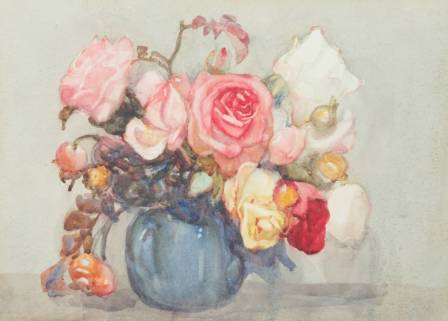
When painting a bouquet, focus on combining different flower shapes. Choose one main flower as the focal point, add one or two supporting flowers, and then fill in with smaller blooms and leaves. You can tie the stems together or place them in a vase. Keep it simple or make it full and lush, depending on your preference.
Try a scattered layout
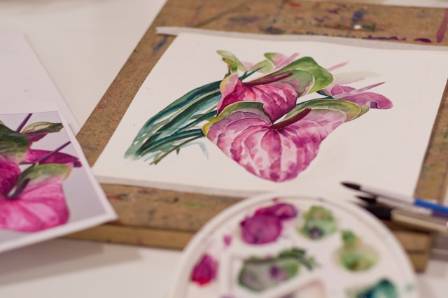
For a full-page design, a scattered arrangement works beautifully. Imagine tossing flowers and leaves onto the page and painting them where they fall. Keep your elements simple and repeat them throughout the composition. Start with lighter shapes and layer darker ones on top, varying size, color, and direction.
Paint a floral wreath
A wreath is a great beginner project. Draw a circle as a guide, then arrange flowers and leaves along the shape. Use one or a few focal blooms and surround them with smaller elements. Keeping everything flowing in one direction can create a pleasing sense of movement.
Don’t skip the leaves
Leaves play an important role in loose floral painting. They add contrast and help define the composition. Since leaf strokes are similar to petal strokes, they’re easy to learn. Experiment with different shapes—rounded, pointed, or elongated—to add variety.
Add interesting flower centers
The center of a flower can become a strong focal point. One method is to drop darker paint into wet petals and let it spread naturally. Another option is to wait until the petals dry, then paint a defined center and add fine details like lines or dots.
Use wet-on-wet techniques
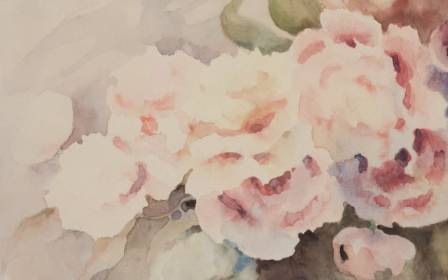
A favorite approach for loose florals is painting wet-on-wet. Let colors touch and blend while still damp to create soft transitions and a dreamy, connected look.
Add details with wet-on-dry
After your painting dries, you can use a fine brush to add details. This technique works well for defining petals, adding shadows, or increasing contrast.
Boost contrast for impact
To make your painting stand out, combine light and dark elements. For example, soft pastel flowers paired with deep, rich leaves create strong visual contrast. You can also add elements like berries or branches for extra depth and texture.
Keep practicing and observing
The best way to improve is to observe real flowers—whether in nature, a shop, or photos. Pay attention to their shapes, colors, and arrangements. With practice, your confidence and style will naturally grow.
Watercolor florals are all about enjoying the process. Keep things simple, stay loose, and most importantly—have fun painting.
More from the plaza
BLOCK · en
Mochi: From Ancient Japanese Tradition to Global Ice Cream Sensation
My/Mochi Ice Cream has taken the global snack scene by storm, captivating taste buds with its delightful combination of chewy sweet rice dough and creamy premium ice cream. This innovative treat has become a beloved indulgence worldwide, making “mochi” a household name synonymous with a fun, portable ice cream experience. Yet, few may realize that the word “mochi” carries a far richer, more profound history rooted in Japanese culture—one that stretches back centuries, woven into rituals, social hierarchies, and daily life. Beyond the trendy ice cream wrapper lies a food with deep cultural significance, a symbol of sustenance, good fortune, and tradition. As we explore what mochi truly is, its place in Japanese society, and its journey from ancient ritual to modern snack, we uncover a story that connects past and present in every sticky, sweet bite.
BLOCK · en
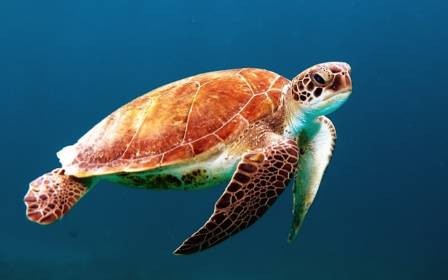
Sea Turtles: Ocean Reptiles
Sea turtles are reptiles uniquely adapted to marine life. Their streamlined bodies, large size, and strong front flippers enable them to dive deeply and swim long distances. The front flippers are elongated and resemble wings, while the back flippers are shorter and more paddle-like. Although they can remain underwater for hours while resting, sea turtles surface periodically every hour or so to breathe.
BLOCK · en
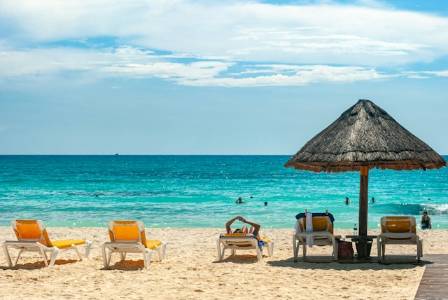
Planning the Perfect Seaside Vacation: A Comprehensive Guide
Choosing the right destination is the first step toward planning a successful seaside getaway. Think about important factors such as the weather, ease of travel, and the activities you would like to enjoy during your stay. Popular options include tropical islands, charming coastal communities, and lively cities located along the shore. Whether your goal is to unwind or experience exciting adventures, there is a seaside destination that can match your preferences.
BLOCK · en

Easy DIY Cake Cups Recipe
This simple cake cups recipe is a must for every home baker! They’re an excellent option to prepare ahead, making them perfect for birthdays, outdoor parties, or any gathering. They’re endlessly versatile, and you can even use leftover cake scraps and frosting to prevent waste.
BLOCK · en
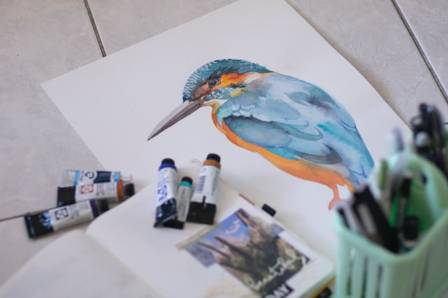
Learn to Draw Birds
People often ask me whether my fascination with birds began with observing them in nature or with drawing them. My answer is always, “both.” For me, the two have always gone hand in hand, each enhancing the other. Sketching a bird pushes me to examine it more closely and ask questions I might never consider if I were just watching. In this way, drawing becomes a form of interaction with the bird itself.
BLOCK · en
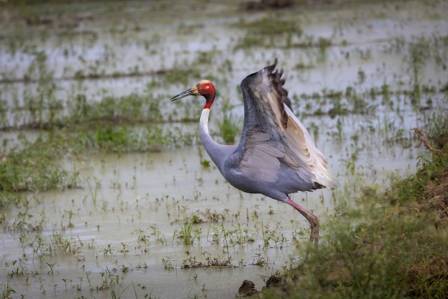
The world's tallest flying bird
The Sarus Crane (Antigone antigone) is a remarkable bird recognized for its exceptionally long legs and towering stature. It is considered the tallest flying bird in the world, with an average height of about 150 centimeters.