Plaza story
Essential Tips for Growing and Caring for Oleander
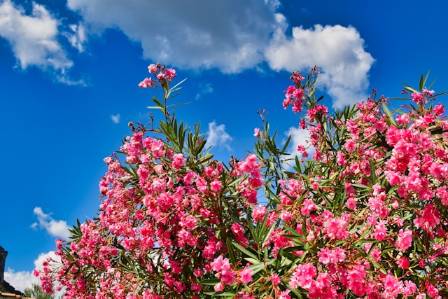
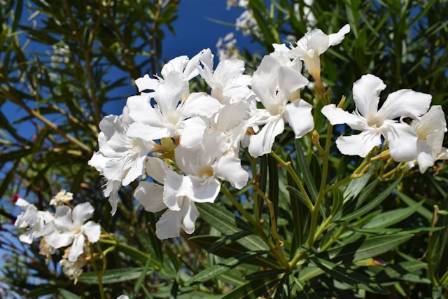
Oleander is a highly valued shrub for gardeners living in warmer climates, primarily due to its resilience and ability to produce beautiful flowers for most of the year. Originating from the Mediterranean region, this evergreen plant is frequently used in public landscaping and roadside plantings because it handles heat, drought, and pollution with ease. It features slender, olive-like leaves and clusters of star-shaped flowers that appear in various shades of white, pink, red, and yellow. While it is an excellent addition to a garden, it is important to remember that all parts of this shrub are highly toxic to humans and pets, so it requires careful handling and thoughtful placement.
Michael Joseph Williams
City note
Sunny tip
The full plaza write-up continues below on the positive pulse board.
Board
NYC Good News
Oleander is a highly valued shrub for gardeners living in warmer climates, primarily due to its resilience and ability to produce beautiful flowers for most of the year. Originating from the Mediterranean region, this evergreen plant is frequently used in public landscaping and roadside plantings because it handles heat, drought, and pollution with ease. It features slender, olive-like leaves and clusters of star-shaped flowers that appear in various shades of white, pink, red, and yellow. While it is an excellent addition to a garden, it is important to remember that all parts of this shrub are highly toxic to humans and pets, so it requires careful handling and thoughtful placement.
Understanding the Growing Requirements
To thrive, this shrub needs a location that receives full sun, as limited light can lead to a sparse appearance and fewer blooms. It is an adaptable plant that prefers average, well-draining soil with a neutral pH, though it is quite tolerant of poorer soil conditions. It is best suited for climates that do not experience harsh freezes, generally falling within hardiness zones eight through eleven. Because of its extensive root system, it can grow quite large, so it is necessary to provide enough space for the plant to reach its full potential, which can range from four to twenty feet in height depending on the variety.
Planting Procedures
The best time to add this shrub to your landscape is during the spring or fall when the temperatures are mild. When preparing the planting site, you should loosen the existing soil and incorporate organic matter or compost to ensure good drainage. Dig a hole that is roughly twice as wide as the root ball and just deep enough so the top of the root ball sits level with the surrounding ground surface. After placing the shrub in the hole and filling it with soil, press down gently to remove any air pockets and water the area thoroughly. If you are planting multiple shrubs, space them several feet apart to allow for proper air circulation. When growing in containers, select a pot with adequate drainage holes and use high-quality potting soil. Ensure the container size is appropriate for the variety you have chosen to prevent the roots from becoming cramped.
Maintenance and Care
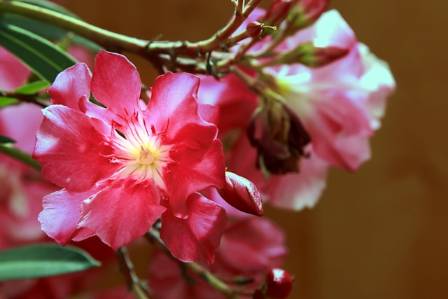
Routine care for this plant is relatively straightforward because it is naturally hardy. Pruning is best performed after the peak blooming season has ended. You should focus on removing dead or diseased branches and shaping the plant to maintain the desired look. For older shrubs that have become overgrown, you can rejuvenate the plant by cutting back about one-third of the largest stems to the ground and trimming the remaining stems to reduce their overall height. It is essential to wear protective gloves and long sleeves when pruning to avoid contact with the plant sap, and you should always wash your hands thoroughly afterward. While established plants are drought-tolerant, they benefit from regular watering, though you should allow the soil to dry out between sessions to prevent rot. Fertilization is usually not necessary if the soil is healthy, but in poor conditions, an all-purpose granular fertilizer can be applied in early spring and again in early fall.
Safety and Environmental Considerations
Given the toxic nature of the plant, it is vital to keep it away from areas where children or pets frequently play. Its strong chemical properties do make it resistant to many pests and animals like deer, which can be an advantage in some garden settings. When working with the plant, always prioritize safety by wearing gloves. If you suspect that a plant is suffering from common pests like aphids or scale, or if it shows signs of fungal issues, address the problem early by removing affected areas. Monitoring the plant regularly will help you keep it healthy and ensure it remains a beautiful focal point rather than a nuisance.
Design and Landscaping Applications
There are many versatile ways to incorporate this shrub into your outdoor space. Medium to large varieties work exceptionally well as privacy screens or hedges to hide undesirable views or equipment such as air conditioning units. Because of their ability to tolerate challenging soil conditions, they are also effective for stabilizing slopes and preventing erosion on hillsides. Smaller, dwarf varieties can be used as foundation plantings, groundcovers, or as features in massed landscapes. If you live in a climate where winters are too cold for the plant to survive outdoors, you can successfully grow smaller specimens in containers and move them to a protected area during the colder months. Combining this shrub with other plants that have similar care requirements but different blooming periods will help you achieve a vibrant, colorful garden throughout the year.
More from the plaza
BLOCK · en

Top 10 Classic American Desserts (With Historical Context & Flavor Highlights)
Classic American desserts are as iconic as baseball and blue jeans, blending regional traditions, historical ingenuity, and crowd-pleasing flavors. From New York’s no-fuss cheesecake to Southern staples like peach cobbler, these 10 desserts (selected from Allrecipes’ 41-strong roundup) tell stories of innovation, resourcefulness, and cultural heritage:
BLOCK · en

Fantastic Reasons to Visit Gardens By The Bay
Whether you are passionate about nature, interested in art, or fascinated by architecture, Gardens by the Bay has something to offer. This impressive 101-hectare green space is located near Singapore’s central business district and combines a variety of indoor conservatories with outdoor gardens. Even after living in Singapore for three and a half years, Gardens by the Bay remains one of the attractions I most often recommend to people visiting the city. Here are five reasons why it deserves a place on your Singapore itinerary.
BLOCK · en

The Best Convertible SUVs
A convertible SUV blends the enjoyment of open-air driving with the practicality and stance of a sport utility vehicle. These vehicles generally fall into two main groups: rugged, off-road-focused models with removable roof sections such as the Jeep Wrangler and Ford Bronco, and more road-oriented crossover-style SUVs with folding soft tops like the now-discontinued Nissan Murano CrossCabriolet.
BLOCK · en

7 Fascinating Facts About the Equitable Life Building – The World’s First Skyscraper
New York City is celebrated for its skyline, but the modern era of tall buildings began with one bold experiment: the Equitable Life Building, finished in 1870. Often regarded as the first true skyscraper, it stood only eight stories tall, yet its innovations forever changed architecture.
BLOCK · en

Bioluminescent Beaches and Bays That Glow at Night
You may remember the stunning blue glow from the award-winning movie “Life of Pi,” where the ocean appears to sparkle as Pi moves through the water. Although the scene was created with visual effects, this incredible natural phenomenon truly exists.
BLOCK · en

American Pastries: Top 10 Iconic Desserts, Their History & Timeless Recipes
American pastries occupy a vibrant, unshakable spot in the global culinary landscape—they’re bold, generous, and unapologetically indulgent, mirroring the nation’s spirit of innovation and cultural melting pot heritage. Unlike the refined, tradition-steeped pastries of France or the delicate confections of Japan, American desserts thrive on XXL portions, fearless flavor combinations, and a magical ability to turn humble, home-style recipes into worldwide phenomena. From the silky richness of New York cheesecake to the chewy perfection of chocolate chip cookies and the glazed sweetness of donuts, these treats have transcended borders, finding a home in bakeries from Paris to Tokyo. Their enduring appeal lies not just in their comforting, nostalgic tastes, but in their stories—tales of accidental inventions, immigrant ingenuity, and regional pride that weave together to tell the story of America itself. For French food lovers, long devoted to their own patisserie traditions, American pastries offer a refreshing burst of novelty: they’re approachable yet indulgent, familiar yet surprising, and perfectly suited to modern tastes for Instagram-worthy, shareable treats. In this guide, we’ll dive deep into the 10 most iconic American pastries, exploring their fascinating origins, defining characteristics, and why they’ve captured hearts (and taste buds) around the world—plus a peek at how they’ve been reimagined by chefs globally.