Plaza story
Bioluminescent Beaches and Bays That Glow at Night
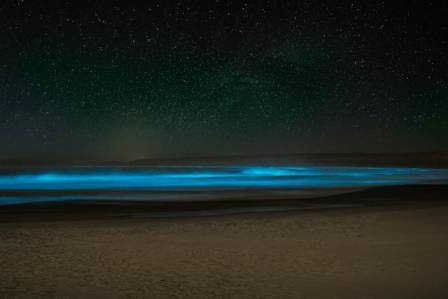
You may remember the stunning blue glow from the award-winning movie “Life of Pi,” where the ocean appears to sparkle as Pi moves through the water. Although the scene was created with visual effects, this incredible natural phenomenon truly exists.
Nerissa Lane
City note
Sunny tip
The full plaza write-up continues below on the positive pulse board.
Board
NYC Good News
The Magical Glow of Bioluminescent Water
You may remember the stunning blue glow from the award-winning movie “Life of Pi,” where the ocean appears to sparkle as Pi moves through the water. Although the scene was created with visual effects, this incredible natural phenomenon truly exists.
Across different oceans, lakes, and bays around the world, tiny glowing organisms—most commonly bioluminescent plankton—create a bright blue light when disturbed. Similar to fireflies on land, these creatures produce their own natural glow, transforming the water into a surreal underwater light show.
While this phenomenon happens more often than many people realize, finding it requires visiting the right locations at the right time. Below are eight destinations where travelers can experience this extraordinary natural wonder.
Sam Mun Tsai Beach, Hong Kong
Sam Mun Tsai Beach in Hong Kong is known for a fascinating connection between red tides and bioluminescent waters. Red tide occurs when large groups of microorganisms multiply, sometimes causing the water to appear reddish during the day and creating a glowing blue effect after dark.
However, not every type of red tide is harmless. Some varieties can negatively affect marine life, so visitors should check local conditions and safety information before entering the water.
Manasquan, New Jersey
The glowing waves near Manasquan, New Jersey may look unusual, but they are not caused by pollution or harmful substances. Instead, the blue shimmer comes from bioluminescent algae associated with red tide events.
The glowing effect does not appear every night, but during the right conditions, lucky visitors can watch the waves sparkle with an electric blue light as they move along the shore.
Toyama Bay, Japan
Unlike many other glowing water destinations, Toyama Bay in Japan does not shine because of plankton. Its famous nighttime glow comes from firefly squid, small marine creatures that produce their own light.
Normally, these squid remain in deeper ocean waters, but special currents occasionally bring them closer to the surface near the bay. The nearby town of Namerikawa even has a museum dedicated to these fascinating creatures, allowing visitors to learn more about them.
Mosquito Bay, Puerto Rico
Located on Vieques Island in Puerto Rico, Mosquito Bay is considered one of the most famous bioluminescent bays in the world. Its intense blue glow is created by microscopic organisms called dinoflagellates.
Because this natural environment is extremely valuable, strict rules are used to protect the ecosystem. Visitors must join approved guided kayak tours, swimming is not allowed, and personal products containing chemicals should not be used before entering the bay.
Indian River Lagoon, Florida
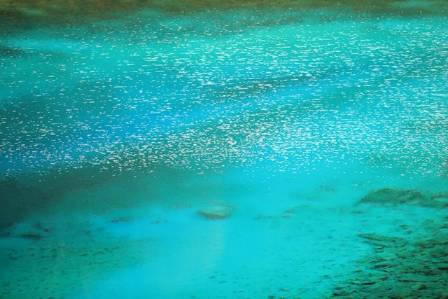
Florida’s Indian River Lagoon is one of the most biologically diverse lagoon systems in the Northern Hemisphere, containing thousands of plant and animal species.
This rich ecosystem also provides a perfect environment for glowing plankton. In addition to the famous bioluminescent microorganisms, visitors may also encounter glowing comb jellyfish, creating an even more impressive nighttime experience.
Ha Long Bay, Vietnam
Ha Long Bay is famous worldwide for its dramatic limestone islands and towering rock formations. During the day, visitors often explore the UNESCO World Heritage Site by boat, but at night the waters can reveal another side of their beauty.
Away from artificial lights, the bay may glow with bioluminescent activity, creating a magical atmosphere as the water sparkles around passing boats and moving waves.
Mission Bay, San Diego, United States
The waters around San Diego, California, including Mission Bay, occasionally experience red tide events that create glowing blue waves at night.
This phenomenon can occur along much of the California coastline, stretching from areas near Mission Bay to Tomales Bay and sometimes even farther. In many cases, these glowing tides are harmless to humans and offer visitors a rare opportunity to witness nature’s nighttime light display.
Luminous Lagoon, Falmouth, Jamaica
Jamaica’s Luminous Lagoon is one of the rare places where bioluminescence appears almost every night. The glow is created by dinoflagellates, tiny organisms that release bright blue light when the water is disturbed.
The effect becomes especially impressive when visitors move through the lagoon, causing the glowing particles to surround their hands, feet, and bodies. Many boat tours allow guests to enter the water and experience this magical natural phenomenon up close.
More from the plaza
BLOCK · en

How Meal Timing Influences Biological Aging
Factors like age, gender, caloric intake, and dietary quality all play a crucial role in longevity. A piece of clinical research explored the direct relationship between when we consume our food and how quickly our bodies age biologically. The data indicates that delaying your first and final meals of the day is closely linked to accelerated biological aging.
BLOCK · en

Top 5 Innovations Shaping the Video Game Industry
From the era of large mainframe computers to the era of handheld devices, the landscape of gaming has undergone a remarkable evolution. Today, propelled by technological advancements and the growing interest of people, the gaming industry stands as a multi-billion-dollar juggernaut. Leading nations like China, Japan, and the USA are at the forefront, with revenues reaching $24.4 billion, $23.5 billion, and $12.4 billion respectively.
BLOCK · en
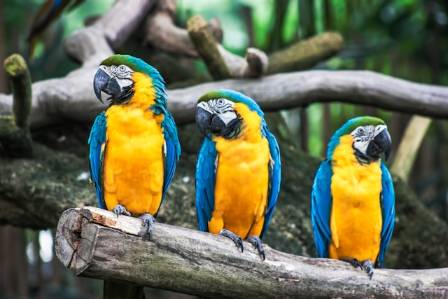
Top Most Colorful Birds in the World: Nature’s Living Rainbows
Birds are nature’s flying masterpieces, adorned with vibrant hues that captivate the eye and stir the imagination. Some species boast such vivid, almost otherworldly colors that they feel like creations of fantasy rather than reality. These feathered beauties are admired globally for their aesthetic appeal, studied for their unique biological traits, and cherished by birdwatchers as prized sightings. In this article, we explore 10 of the world’s most colorful birds, delving into their habitats, behaviors, cultural significance, and conservation status—each a testament to nature’s boundless creativity.
BLOCK · en

Choose the Best Chair for Back Pain
Back pain can turn ordinary everyday activities into uncomfortable experiences, and spending hours sitting in an unsuitable chair can often increase the problem. Choosing the right chair for back pain can significantly improve comfort, posture, and overall daily well-being.
BLOCK · en
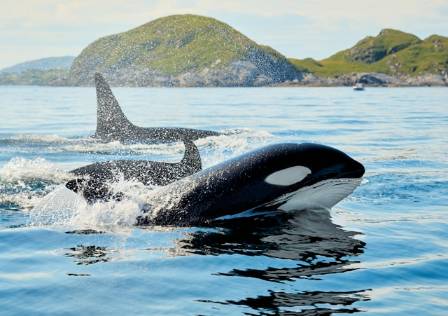
Why is an Orca Not a Whale?
Many ocean enthusiasts consider the “killer whale” one of their favorite marine animals. However, despite the common name, the orca (Orcinus orca) is not technically a true whale. This powerful ocean predator actually belongs to the dolphin family.
BLOCK · en
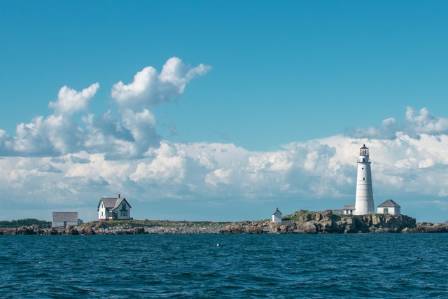
The 10 Finest Portrayals of Beaches in Art History
Summer invites us to wander through galleries and museums worldwide, just as it beckons us to the sunlit shores of beaches. Why not merge these two pleasures when possible? We’ve curated 10 exceptional depictions of beaches in art—some are tangible locations you can visit, while others exist only in the realm of imagination, waiting to be explored through the artist’s vision.