Plaza story
Great Salt Lake
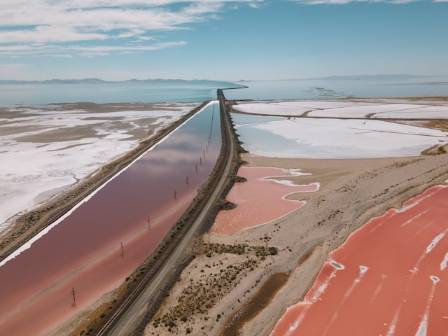
Great Salt Lake is the largest saltwater lake in the Western Hemisphere and ranks among the world’s largest saline lakes. Its ecosystem represents a remarkable connection between humans, nature, water resources, wildlife, and survival. The lake’s diverse habitats, including wetlands, islands, and shorelines, support a wide variety of life such as plants, brine shrimp, reptiles, amphibians, mammals, shorebirds, and waterfowl.
Ophelia Beaumont
City note
Sunny tip
The full plaza write-up continues below on the positive pulse board.
Board
NYC Good News
Great Salt Lake is the largest saltwater lake in the Western Hemisphere and ranks among the world’s largest saline lakes. Its ecosystem represents a remarkable connection between humans, nature, water resources, wildlife, and survival. The lake’s diverse habitats, including wetlands, islands, and shorelines, support a wide variety of life such as plants, brine shrimp, reptiles, amphibians, mammals, shorebirds, and waterfowl.
The lake is also a crucial stop along the Pacific Flyway, a major migration route stretching between North and South America. Each year, millions of birds from hundreds of species travel thousands of miles to rest, feed, and reproduce around Great Salt Lake. As many other wetlands and lakes continue to decline, the importance of Great Salt Lake as a wildlife refuge continues to grow.
Protecting and Preserving Great Salt Lake
The Utah Department of Natural Resources is actively working to conserve and safeguard Great Salt Lake. The Division of Water Resources supports these efforts through projects such as the Great Salt Lake Basin Integrated Plan, research on lake conditions and connected river systems, water-saving initiatives, and management of Utah’s cloud seeding program.
These programs aim to improve understanding of the lake’s importance, strengthen conservation strategies, and encourage actions that help protect this unique natural resource for future generations.
Changes in Great Salt Lake Water Levels
Because Great Salt Lake is relatively shallow, with an average depth of about 14 feet and a maximum depth of around 35 feet, its water levels can change dramatically depending on climate conditions. During wet periods, the lake expands, while extended droughts can cause significant declines.
Normally, spring snowmelt raises the lake level by roughly 2 feet. However, the record-breaking snowpack in 2023 caused an unusual increase of approximately 5.5 feet. In contrast, limited snowfall during 2021 and 2022 resulted in only about a 1-foot rise.
The lake’s shallow, warm water also influences regional weather patterns. It contributes to lake-effect snowfall in the Wasatch Mountains, providing roughly 5% to 10% of the mountain snowpack and supporting winter recreation.
When water levels drop, larger areas of exposed lakebed become vulnerable to wind erosion. Dust from these exposed sediments can carry heavy metals and other pollutants into the atmosphere, creating concerns for air quality. At its historical average elevation of 4,200 feet, Great Salt Lake stretched about 75 miles long and 35 miles wide, covering nearly 1,700 square miles.
Historic Record Low Water Levels
Great Salt Lake reached a historic low point in November 2022, when the average daily elevation fell to 4,188.5 feet at the South Arm Causeway measurement station.
Before that decline, the previous record low occurred on October 18, 2021, when the lake dropped to 4,190.2 feet. Earlier records showed that the previous lowest level had been recorded in October 1963 at an elevation of 4,191.35 feet, which was reported as 4,191.4 feet under the measurement standards used at the time. The lake’s surface area in 1963 was approximately 950 square miles.
By comparison, the lake reached a historic high in 1986, with a surface elevation of 4,211.65 feet and an area of about 3,300 square miles. This measurement included flooded areas created when water pumps were operating and portions of the western desert were submerged.
The U.S. Geological Survey has maintained records of Great Salt Lake conditions since 1847, beginning when early settlers arrived in Utah.
Geography and Human Infrastructure
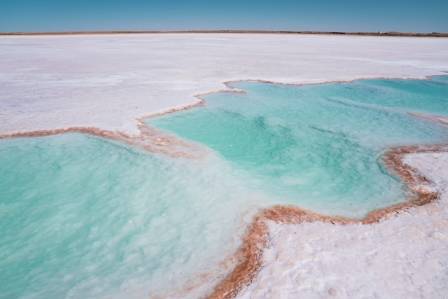
The unique geography of Great Salt Lake, combined with human-made structures, has created several distinct environments within the lake. Salinity levels vary greatly, ranging from nearly 28% in the extremely salty North Arm to between 6% and 27% in the South Arm.
A major factor influencing these differences is the Lucin Cutoff railroad causeway, which crosses the lake near the southern end of the Promontory Peninsula. The largely solid railway structure divides the lake into three main sections: the northeast arm, northwest arm, and southern arm.
Because the causeway limits water circulation and no major rivers flow directly into the northwest section, that area becomes much saltier than other parts of the lake. These different conditions support unique algae communities, creating noticeable differences in water color on either side of the causeway.
Economic Importance of Great Salt Lake
Several major rivers, including the Jordan, Weber, and Bear rivers, flow into Great Salt Lake and bring millions of tons of dissolved minerals and salts into the lake every year.
The lake supports a major economic industry, generating an estimated $1.9 billion annually and providing more than 7,700 jobs. Businesses around the lake contribute to global supplies of important resources, including magnesium, sulfate of potash, and brine shrimp.
Mining operations remove nearly 2 million tons of minerals each year. These resources are collected from large evaporation ponds where water is removed naturally through evaporation. More than 85,000 acres of diked evaporation ponds exist throughout Great Salt Lake, covering an area roughly twice the size of San Francisco.
Research and Future Challenges
Scientists, environmental organizations, government officials, and community leaders continue to study the challenges facing Great Salt Lake. In January 2022, Speaker Brad Wilson hosted the first Great Salt Lake Summit at the Davis Conference Center, bringing together experts and stakeholders to discuss the lake’s future.
Participants examined the wide-ranging effects of declining water levels, including impacts on Utah’s air quality, mountain snowpack, economy, wildlife, and overall quality of life.
Protecting Great Salt Lake requires cooperation between researchers, policymakers, industries, and local communities. Maintaining this extraordinary ecosystem is essential not only for wildlife but also for the environmental and economic health of the region.
More from the plaza
BLOCK · en
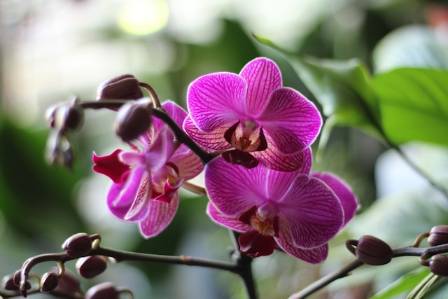
Essential Methods for Growing Healthy Moth Orchids
Cultivating the popular moth orchid is a highly rewarding endeavor once you understand its unique nature. In their natural habitats, these plants are epiphytes, meaning they grow perched upon tree branches completely out of the soil. Because their roots are designed to breathe open air rather than sit in dense earth, managing the balance of moisture, airflow, and light is the most crucial skill for a indoor grower to master. By focusing on a few fundamental care strategies, you can easily keep these stunning tropical flowers thriving in a typical home environment.
BLOCK · en
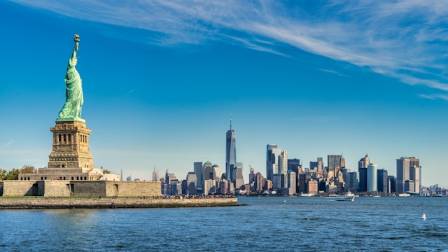
Body of Iron, Soul of Fire: The Statue of Liberty
“The Statue of Liberty Enlightening the World” was a gift from France to the United States. It was officially dedicated on October 28, 1886, and later declared a National Monument on October 15, 1924, marking 100 years since its recognition.
BLOCK · en
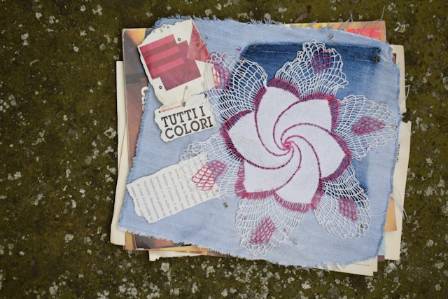
The Art of Creative Quiltmaking: A Comprehensive Guide
Every piece of textile art begins with a deep commitment to the drawing board. Before a single pencil mark is made, however, it is essential to establish a clear subject or theme. Working within a specific conceptual framework allows for a more cohesive body of work and helps filter the infinite inspiration found in daily life. Personal worldviews often drive these choices; many artists find profound stimulation in the intricate laws of nature, botanical details, or the simple wonder of the human experience.
BLOCK · en
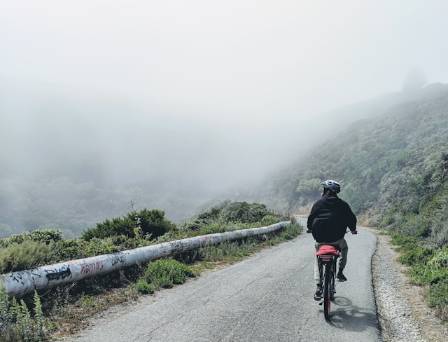
Exploring Seattle Southside: The Top 5 Biking Trails to Discover
Seattle Southside is a hidden gem for biking enthusiasts, offering a variety of trails that meander through vibrant urban environments and stunning natural landscapes. Whether you're looking for a leisurely ride or an invigorating workout, these trails have something for everyone. Here’s a curated list of the top five biking trails in Seattle Southside that you won’t want to miss.
BLOCK · en

Guide to Handcrafting Miniature Felt Creatures: From Basics to Realism
Creating miniature animal sculptures through needle felting is a captivating craft that turns raw fibers into soulful, three-dimensional art. Achieving a lifelike appearance requires a blend of anatomical understanding and technical skill. This guide breaks down the essential components of the process, helping you transition from basic shapes to professional-grade animal ornaments.
BLOCK · en
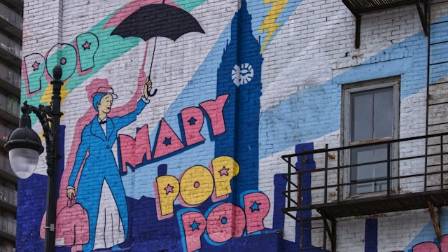
Simple Street Wall Painting Ideas
Street wall painting is one of the most approachable and expressive forms of urban creativity.