Plaza story
The Art of Creative Quiltmaking: A Comprehensive Guide
Every piece of textile art begins with a deep commitment to the drawing board. Before a single pencil mark is made, however, it is essential to establish a clear subject or theme. Working within a specific conceptual framework allows for a more cohesive body of work and helps filter the infinite inspiration found in daily life. Personal worldviews often drive these choices; many artists find profound stimulation in the intricate laws of nature, botanical details, or the simple wonder of the human experience.
Lucas Bennett
City note
Sunny tip
The full plaza write-up continues below on the positive pulse board.
Board
NYC Good News
Every piece of textile art begins with a deep commitment to the drawing board. Before a single pencil mark is made, however, it is essential to establish a clear subject or theme. Working within a specific conceptual framework allows for a more cohesive body of work and helps filter the infinite inspiration found in daily life. Personal worldviews often drive these choices; many artists find profound stimulation in the intricate laws of nature, botanical details, or the simple wonder of the human experience.
Currently, two primary themes dominate this artistic journey. The first is botanical, celebrating the everyday beauty of local flora, such as the complex vein patterns on a eucalyptus leaf or the surprising spectrum of colors found on a single plant. The second theme focuses on childhood, aiming to capture the fleeting sense of awe felt by children as they discover ordinary things—bubbles, rain, or snail trails—for the very first time. Retaining this sense of "wide-eyed wonder" is a vital goal for any creator.
Developing the Visual Concept Through Sketching
Once a theme is selected, the sketching phase begins. This stage is a mix of joy and occasional frustration, as there is no fixed timeline for arriving at a design that feels right. Utilizing digital photography as a reference tool is invaluable here, allowing the artist to capture hundreds of angles of a subject to study later.
The process usually starts with free-form drawing to build familiarity with the subject. This evolves into more intentional design work, where drawings are stylized specifically for machine piecing. A visual diary serves as a critical archive of these iterations. By the conclusion of this stage, the diary is filled with diverse entries: realistic studies, line drawings focused on seam placement, quick thumbnails for layout, and bold marker sketches that prioritize composition over detail. The final drawing is then converted into a technical pattern where every white space represents a distinct piece of fabric.
Refining the Design and Preparing the Pattern
A design is never rushed into production. Once a sketch looks complete, it must be evaluated against the core principles of art—specifically contrast, scale, and tonal balance. The goal is to create "good art" that rewards the viewer both from a distance and upon close inspection. This stage often comes with inherent artistic doubts, but these uncertainties serve a healthy purpose, pushing the creator to aim higher and pay closer attention to detail.
While some designs are discarded, those that move forward are meticulously planned. Because machine piecing and quilting allow for only minor adjustments once the fabric is cut, the design must be nearly perfect beforehand. Using digital tools or colored pencils to test various color schemes is a common practice to avoid "winging it" on larger, more complex works. Finally, the drawing is scaled to its full size using specialized applications and printed across multiple sheets of paper. This full-scale pattern is then traced onto the "sticky" side of iron-on interfacing, with notch markings added to every seam line to ensure perfect alignment during assembly.
The Systematic Process of Cutting and Organization
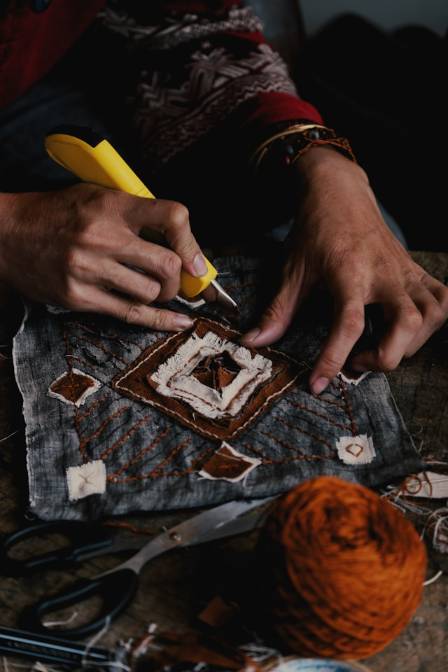
The next phase involves cutting the interfacing pattern into individual components and ironing them onto the selected fabrics. This is done systematically, working on small, manageable sections at a time. By laying out the entire color palette on a work table, the artist can ensure each piece of interfacing is matched to the correct textile.
When cutting the fabric around the interfacing, a rough seam allowance is left. The exact width of the allowance is less critical than the interfacing itself, as the edges and notches of the interfacing serve as the true guide for the sewing stage. This method ensures that the final piecing is both smooth and highly accurate, as the interfacing remains inside the quilt to provide structure.
Assembly and the Final Puzzle
With all the pieces cut, the project resembles a complex jigsaw puzzle. Working section by section, the pieces are laid out with the interfacing side facing up. The grain of the interfacing and the hand-drawn notches act as guides for correct orientation. If the design requires screenprinting or hand-painting, the background pieces are pulled from their piles, treated with pigment, and then returned to their designated spots once dry.
This stage is often iterative; if a section does not look right after being puzzled together, it can be unpicked or further modified with additional printing. This flexibility ensures the artistic vision remains intact even as the physical construction progresses.
Piecing the Artwork Together
The final and most rewarding stage is the actual stitching. Seeing the design transform from a collection of scraps into a recognizable image is a consistently exciting experience. To begin, two adjacent pieces are pinned right-sides together, matching the notches and interfacing edges exactly.
While most of the construction is done by machine, particularly complex areas like faces or hands are often pieced by hand for greater precision and a more relaxed workflow. This process can be incredibly engrossing, often leading to hours of uninterrupted work as the final image emerges. Once the top is fully pieced, the art quilt is finished using traditional methods: layering it with batting and a backing fabric, adding textured quilting, and finally applying the binding.
More from the plaza
BLOCK · en
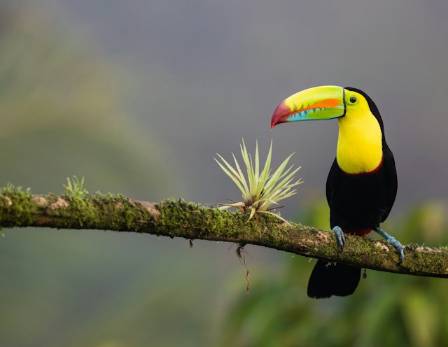
Knowing Bird Toucan, A Colorful Icon of the Rainforest
When people hear the word toucan, they often picture a rainforest bird sitting high among the trees, instantly recognizable by its enormous, brilliantly colored bill. With its vivid appearance, playful character, and unusual behaviors, this tropical bird has fascinated nature enthusiasts and wildlife photographers for generations.
BLOCK · en

Digital Earth: Redefining Geospatial Data
Digital Earth represents an ambitious idea centered on building a detailed virtual version of our planet. By combining extensive geospatial data, it enables a more comprehensive understanding of Earth’s natural systems as well as human activities.
BLOCK · en

Understanding the Emperor Penguins of Antarctica
Emperor penguins are remarkable inhabitants of the Antarctic, possessing unique biological traits and behavioral patterns that allow them to thrive in one of the most inhospitable environments on the planet. As the largest members of the penguin family, these birds are not only iconic symbols of the frozen south but also masters of survival.
BLOCK · en

Where to See the Most Stunning Views in Santorini
Santorini mesmerizes visitors with its breathtaking sea horizons, cobalt-domed churches perched atop craggy cliffs, and world-famous golden hour spectacles. From historic vantage points like Oia’s old castle to serene coastal lookouts such as the Akrotiri Lighthouse, the island boasts numerous spots that reveal the dramatic beauty of the caldera. Whether you’re drawn by its sculpted volcanic peaks, ancient ruins, or romantic sunsets, Santorini’s vistas offer an unforgettable visual feast.
BLOCK · en

The Egyptian Pyramid
The pyramids of Egypt have fascinated explorers, rulers, scholars, and travelers for thousands of years. Even today, they continue to attract tourists, archaeologists, and researchers who study their design, measurements, construction methods, and historical significance.
BLOCK · en
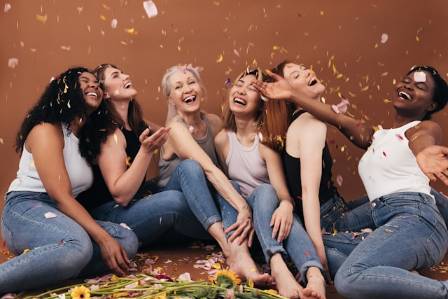
Top 10 Most Beautiful Women in the World, Ranked by Science
Naming the most beautiful woman on Earth might sound subjective — after all, beauty lies in the eye of the beholder. Still, modern science has developed ways to analyze physical attractiveness using mathematical principles that offer some objective perspective. Dr. Meegan Gruber, a Florida-based board-certified plastic surgeon, explains that while beauty standards shift with culture and time, certain universal traits consistently appeal to human perception. “The way we define beauty is influenced by both societal norms and individual preferences,” she says. “But mathematics, like the Golden Ratio, has long been used to assess symmetry and proportion — key aspects of perceived beauty.”