Plaza story
Understanding the Emperor Penguins of Antarctica
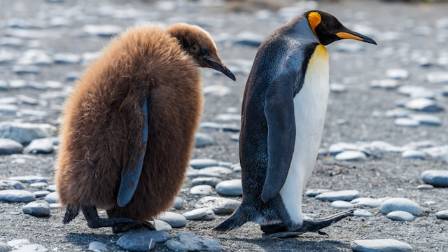
Emperor penguins are remarkable inhabitants of the Antarctic, possessing unique biological traits and behavioral patterns that allow them to thrive in one of the most inhospitable environments on the planet. As the largest members of the penguin family, these birds are not only iconic symbols of the frozen south but also masters of survival.
Emily Harris
City note
Sunny tip
The full plaza write-up continues below on the positive pulse board.
Board
NYC Good News
Emperor penguins are remarkable inhabitants of the Antarctic, possessing unique biological traits and behavioral patterns that allow them to thrive in one of the most inhospitable environments on the planet. As the largest members of the penguin family, these birds are not only iconic symbols of the frozen south but also masters of survival.
Physical Characteristics and Dimensions
The Emperor penguin is a visually striking bird, recognized by its classic tuxedo-like appearance: a white underbelly contrasted with a black head, back, tail, and wings. Their most distinct features are the vibrant yellow and gold patches found on the sides of their heads and necks. In terms of size, they are the giants of the penguin world, standing approximately 115cm tall—roughly the height of a six-year-old human child.
Life in the Extreme Cold
These birds spend their entire existence in Antarctica, where they must endure temperatures that plummet as low as -60°C. To combat the lethal chill, Emperor penguins possess several specialized physical adaptations. They maintain significant reserves of insulating body fat and are covered in multiple layers of scale-like feathers that act as a barrier against freezing winds. Socially, they utilize a communal heating strategy, huddling together in massive groups to share body warmth.
Breeding and Survival Cycles
The breeding season begins at the onset of the Antarctic winter in April. By June, the female typically lays a single egg. Having exhausted her energy reserves, she carefully transfers the egg to the male and departs for the open ocean—a journey that can span 80km—to hunt for fish, squid, and krill.
For the next two months, the males are the sole guardians of the eggs. They keep the eggs warm by balancing them on their feet and tucking them under a "brood pouch," which is a flap of feathered skin. During this period, the males do not eat, enduring the harshest winter conditions to ensure the egg survives. Without this specialized warmth, a chick would perish in just a few minutes.
Chick Rearing and Independence
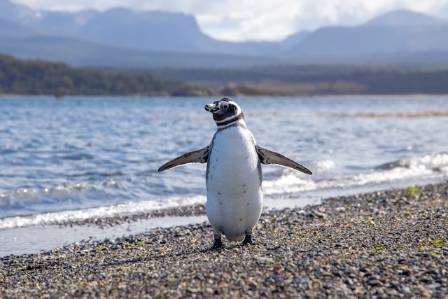
The females return in July with bellies full of food, which they regurgitate for the newly hatched chicks. At this stage, the parents swap roles; the females take over the care of the young while the males finally head to the sea to feed. As the chicks grow, they gather in protective groups known as "crèches" while both parents forage. By December, as the summer warmth begins to break up the sea ice, the chicks have developed their waterproof plumage and are ready to take to the ocean to swim and hunt independently.
Aquatic Prowess and Conservation Status
In the water, Emperor penguins are elite athletes. They are highly efficient swimmers and can dive to depths exceeding 500m. Their physiological adaptations allow them to remain submerged for up to 22 minutes, far surpassing the diving capabilities of most other birds.
Despite their resilience, Emperor penguins are currently classified as "near threatened." Their future is challenged by global warming, which reduces the stable sea ice required for breeding, and overfishing, which depletes their primary food sources. Protecting the Antarctic environment is essential to ensuring these magnificent birds do not face a rapid population decline.

More from the plaza
BLOCK · en

Maple Tree Shadows on the Moonlit lawn
On Tuesday afternoon, sometime after lunch, enormous flakes of snow suddenly started coming down. Within a short time, the trees and patches of grass were covered in white. About an hour later, our nandina shrubs had been pushed almost to the ground under the remarkable weight of the snow. By the beginning of the evening, the clouds had started to disappear, revealing a bright half-moon overhead. The shadows cast by the silver maple trees appeared crisp and unmistakable across the front lawn.
BLOCK · en

Artistic Strategies for Painting Suburban Streetscapes En Plein Air
This demonstration explores the process of capturing a street scene through direct observation. The featured artwork was created outdoors, or "en plein air," in a classic Australian residential neighborhood. Painting on location is an exceptional method for documenting the unique atmosphere of everyday life, serving as a visual journal of an artist's experiences.
BLOCK · en

Watercolour florals for beginners
Painting watercolor flowers is a perfect match for a modern, loose painting style. It encourages freedom in brushwork and lets you fully take advantage of watercolor’s natural ability to blend and flow. For many beginners, florals are often the first subject they’re excited to try—and they rem
BLOCK · en
9 Most Beautiful Forests for Hiking
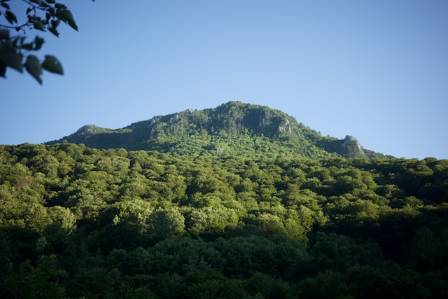
Few experiences compare to walking through a sun-dappled forest, surrounded by rustling leaves and birdsong. From ancient woodlands to mist-shrouded cloud forests, these nine destinations offer some of the world's most magical hiking experiences.
BLOCK · en
Why is an Orca Not a Whale?
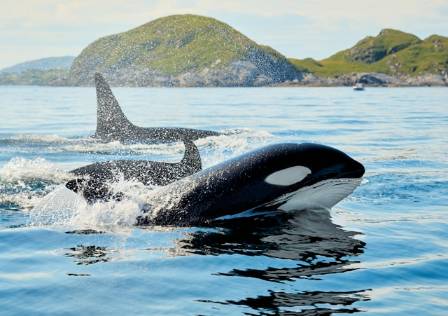
Many ocean enthusiasts consider the “killer whale” one of their favorite marine animals. However, despite the common name, the orca (Orcinus orca) is not technically a true whale. This powerful ocean predator actually belongs to the dolphin family.
BLOCK · en
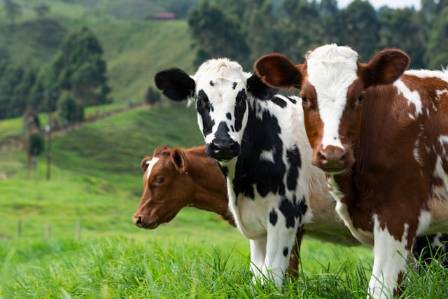
The Most Beneficial Land Managers
In the vast tapestry of Earth's ecosystems, few animals have played as crucial a role in shaping landscapes as grazing herbivores. Before the rise of modern civilization, millions of bison roamed the North American plains, their grazing patterns and movement behaviors working in concert with natural fire cycles to create and maintain healthy prairie ecosystems. Today, in the absence of these historic herds, cattle have emerged as unexpected but essential stewards of the land, providing numerous ecological benefits that extend far beyond their value as a food source.