Plaza story
Simplified Liang Pi: A Guide to Authentic Chinese Cold Skin Noodles
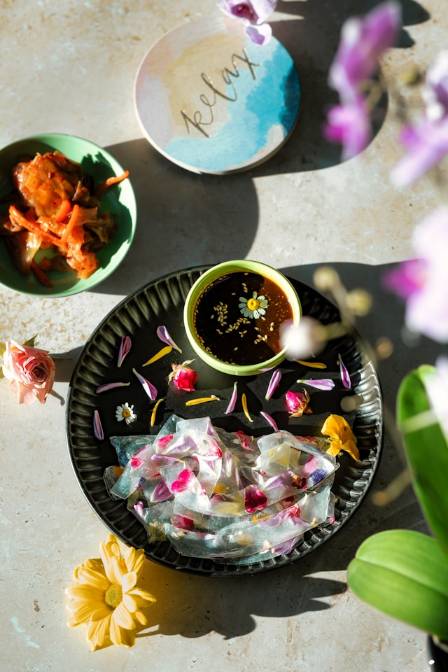
Liang Pi, or "cold skin noodles," is a legendary street food originating from Northwest China. These noodles are prized for their springy, elastic texture and are traditionally served cold with a vibrant, tangy, and spicy dressing. While the name translates to "cold skin," no animal products are involved in the noodles themselves; the name refers to their smooth, skin-like appearance and refreshing temperature.
Theo Maxwell Hartley
City note
Sunny tip
The full plaza write-up continues below on the positive pulse board.
Board
NYC Good News
Liang Pi, or "cold skin noodles," is a legendary street food originating from Northwest China. These noodles are prized for their springy, elastic texture and are traditionally served cold with a vibrant, tangy, and spicy dressing. While the name translates to "cold skin," no animal products are involved in the noodles themselves; the name refers to their smooth, skin-like appearance and refreshing temperature.
Understanding the Two Methods of Preparation
Traditionally, making Liang Pi is a labor-intensive process known as "dough rinsing." It involves kneading a wheat dough, washing it in a bowl of water to separate the starch from the protein (gluten), and letting the starchy water settle overnight before steaming. The leftover protein is steamed separately to make "Mian Jin," or wheat gluten, which is a common topping for the dish.
The simplified method shared here bypasses the kneading and rinsing entirely. By mixing flour and water directly into a batter and allowing it to rest, you can achieve a texture that is nearly identical to the traditional version with significantly less physical labor. This accessible approach makes it easy to enjoy this classic snack as a regular home-cooked meal.
Essential Ingredients and Tools
The success of these noodles relies on a few pantry staples and the right equipment for steaming.
For the Noodles:
-
All-Purpose Flour: 300g (approx. 2 cups)
-
Water: 700ml (approx. 3 cups)
-
Salt: A pinch to enhance elasticity.
-
Cooking Oil: For greasing the trays.
For the Spiced Dressing:
-
Spices: Cinnamon stick, star anise, bay leaf, fennel seeds, and Sichuan peppercorns.
-
Liquid Base: 120ml water, simmered with the spices and thickened slightly with a cornstarch slurry.
-
Seasonings: Black rice vinegar, minced garlic, toasted sesame oil, and authentic Chinese chili oil.
Toppings:
-
Fresh Crunch: Sliced cucumber and bean sprouts.
-
Herbs: Fresh coriander (cilantro) and chopped green onions.
Step-by-Step Preparation
Preparing the Batter
The key to smooth noodles is time. Combine the flour, water, and salt, whisking until no lumps remain. Pass the mixture through a fine sieve into a bowl, cover it, and let it rest in the refrigerator for at least 8 hours or overnight. During this time, the starch will settle at the bottom. When you are ready to cook, carefully ladle out the clear yellow liquid that has formed on the surface, then stir the remaining white paste thoroughly until it is uniform.
The Steaming Process
To steam the noodles, you will need a shallow, lightweight tray that can float on water. A small non-stick baking sheet or a stainless steel plate works perfectly. Brush the tray with a thin layer of oil and pour in just enough batter to thinly coat the bottom.
Bring a large pot or wok of water to a rolling boil. Carefully place the tray on the water so it floats. Cover with a lid and steam for approximately two minutes. You will know the noodle is ready when large bubbles form underneath and the surface is no longer tacky. Remove the tray and immediately float it in a cold water bath (like a filled sink) to cool. Once cooled, gently peel the noodle sheet away and brush the top with a bit of oil to prevent sticking before stacking.
Crafting the Spiced Sauce
The "spiced water" is what gives regional Liang Pi its sophisticated depth of flavor. Simmer your whole spices in a half-cup of water for five minutes. Add a tiny bit of cornstarch slurry to give it a slightly silky body, then remove from heat. Once the liquid has cooled, strain out the solids and stir in the vinegar, garlic, and oils.
Assembly and Serving Tips
Once all your noodle sheets are steamed and oiled, stack them and slice them into wide, flat strips. Place them in a bowl and pile on the fresh cucumber and herbs. Pour over a generous amount of the spiced sauce and as much chili oil as you can handle.
For the most efficient workflow, use two trays in a rotation: while one is steaming, the other can be cooling and being refilled with batter. This method cuts your active cooking time in half and ensures a steady supply of fresh, springy noodles.
More from the plaza
BLOCK · en
Seeds of Innovation
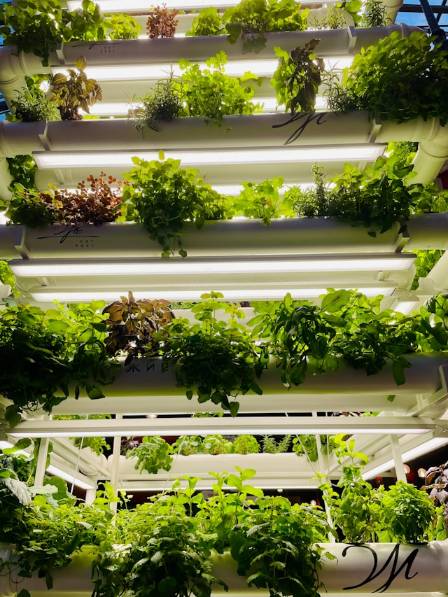
Across fields, greenhouses, and even indoor towers, a quiet transformation is taking place. Farmers and scientists are working hand in hand, using technology to grow more food, keep plants healthier, and protect the planet. These efforts are more than just upgrades to farming—they are seeds of change planted for a better future.
BLOCK · en

Where to See the Most Stunning Views in Santorini
Santorini mesmerizes visitors with its breathtaking sea horizons, cobalt-domed churches perched atop craggy cliffs, and world-famous golden hour spectacles. From historic vantage points like Oia’s old castle to serene coastal lookouts such as the Akrotiri Lighthouse, the island boasts numerous spots that reveal the dramatic beauty of the caldera. Whether you’re drawn by its sculpted volcanic peaks, ancient ruins, or romantic sunsets, Santorini’s vistas offer an unforgettable visual feast.
BLOCK · en

What is Tower Bridge famous for?
Tower Bridge is widely regarded as one of the most recognizable landmarks in London. Its dramatic silhouette and neo-Gothic styling have made it famous around the world. While it is not the city’s oldest crossing, it has become a defining symbol of the capital in modern times.
BLOCK · en

Vintage Robots: Revisiting the Early Robots
The 20th century represented a major era of growth in robotics, ushering in a period of remarkable technological progress.
BLOCK · en

The Great Blue Hole in Belize: A Natural Wonder
The Great Blue Hole, situated off the coast of Belize, is among the most remarkable and captivating natural attractions beneath the ocean. This enormous underwater sinkhole is positioned close to the middle of Lighthouse Reef, a small atoll located roughly 70 kilometers (43 miles) from the Belize mainland and Belize City. Renowned for its extraordinary geological structure, abundant marine environment, and spectacular scenery, the Great Blue Hole has become a dream destination for divers and an internationally valued natural landmark.
BLOCK · en
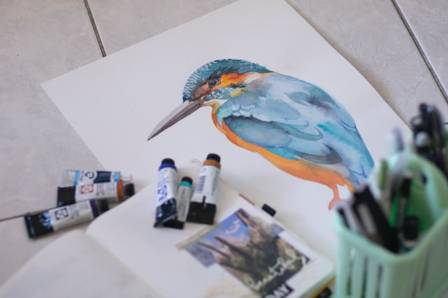
Learn to Draw Birds
People often ask me whether my fascination with birds began with observing them in nature or with drawing them. My answer is always, “both.” For me, the two have always gone hand in hand, each enhancing the other. Sketching a bird pushes me to examine it more closely and ask questions I might never consider if I were just watching. In this way, drawing becomes a form of interaction with the bird itself.