The World's Largest Turtle: A New Chapter

Plaza story

The World's Largest Turtle: A New Chapter

The leatherback turtle now exhibited at National Museum Cardiff first came to public attention in September 1988, when it was found stranded on Harlech beach in Gwynedd.

L

Lee

City note

Sunny tip

The full plaza write-up continues below on the positive pulse board.

Board

NYC Good News

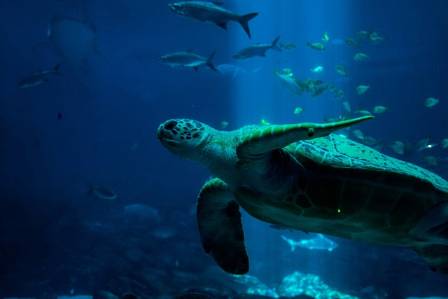
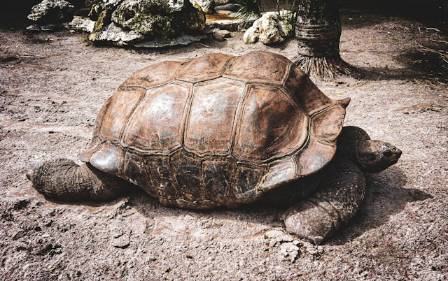
The leatherback turtle now exhibited at National Museum Cardiff first came to public attention in September 1988, when it was found stranded on Harlech beach in Gwynedd. The animal had tragically died after becoming entangled in fishing gear, cutting short a life estimated at nearly a century. Its size captured global interest—at close to 3 meters long and weighing 914 kilograms, it remains the largest and heaviest turtle ever documented.
The discovery prompted immediate action from museum staff, who were eager to preserve and display such an extraordinary specimen. Yet presenting an animal of this scale posed considerable technical challenges.

Preparing a Record-Holding Specimen

Following a post-mortem examination to gather scientific data, the turtle’s skin was carefully removed and treated for preservation. A mold was created from its body shape, over which the preserved skin was meticulously fitted to recreate a natural posture.
The skeleton was also prepared and mounted alongside the full-body display. Together, they were installed in a dedicated gallery, accompanied by educational material detailing the leatherback’s biology, the dangers it faces, and ongoing conservation efforts.

A Display Tested by Time

After sixteen years on view, the specimen began to show serious cracking. Although earlier repairs had addressed minor damage, persistent low humidity in the gallery worsened its condition. With no alternative, the exhibit was closed to allow for comprehensive restoration.
Conservation started with a thorough cleaning to remove years of accumulated dust and oily residues, using a gentle, non-ionic detergent.
Once cleaned, the next step was relaxing and reshaping areas that had warped or contracted. This was achieved by carefully applying a solution of deionised water, salt, and detergent to the surface, allowing conservators to gradually ease the skin back into its original position.

Addressing Past Repairs

After drying, earlier restorations were painstakingly removed—a delicate and time-consuming process to avoid further harm to the fragile skin. Much of the surface had also been previously painted black, which was now stripped away using acetone and a fume extraction system.
With old fillers and paint removed, the turtle’s natural patterning and skin texture became visible again. New gaps and splits were then filled and colored to match the original appearance as closely as possible.

Return to View

The skeleton received similar careful cleaning before the fully restored turtle was reinstalled in its mounting. Four months of detailed work allowed the gallery to welcome visitors once more.

A Change of Setting

Despite these efforts, environmental conditions in the original space continued to threaten the turtle’s preservation. In 2006, it was moved to a new home within the adjoining “Man and the Environment” gallery, positioned near the humpback whale specimen. This space offers more stable temperature and humidity, permitting the turtle to remain on permanent display.
Updated interpretation panels provide current information about leatherbacks and their conservation. Now peacefully positioned in its new setting, this remarkable turtle continues to inspire and educate, serving as both a memorial to a magnificent life and a lasting symbol of our shared responsibility toward marine giants.

More from the plaza

BK

BLOCK · en

A Comprehensive Manual for Fruit-Infused Teas: Sourcing and Preparation

A Comprehensive Manual for Fruit-Infused Teas: Sourcing and Preparation

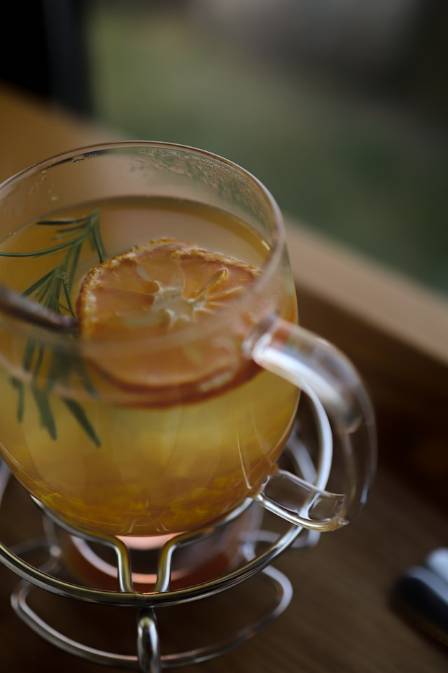
Savoring a vibrant, sweet cup of fruit tea is a delightful experience, yet those new to the world of infusions may find the variety of options and preparation methods somewhat overwhelming. This guide clarifies the distinctions between various fruit-based beverages, offers advice on the best ingredients to select, and explains the most effective ways to brew them. While fruit teas are frequently grouped with herbal infusions by many retailers, this specific resource focuses exclusively on blends derived from the fruit itself rather than roots, seeds, or stems.

BK

BLOCK · en

Watercolour florals for beginners

Watercolour florals for beginners

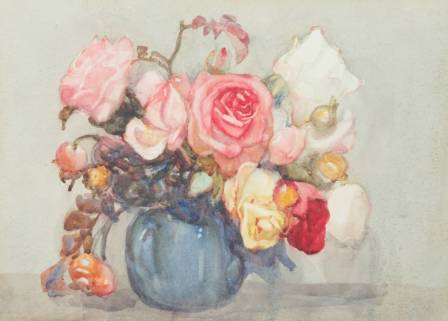
Painting watercolor flowers is a perfect match for a modern, loose painting style. It encourages freedom in brushwork and lets you fully take advantage of watercolor’s natural ability to blend and flow. For many beginners, florals are often the first subject they’re excited to try—and they rem

BK

BLOCK · en

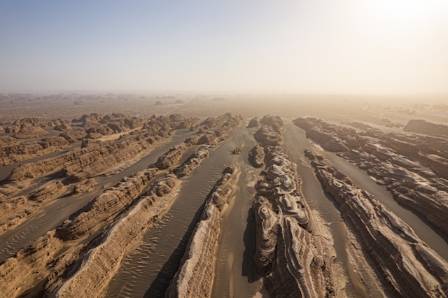
Desert Pavement: A Unique Wind-Formed Landscape

Desert Pavement: A Unique Wind-Formed Landscape

Aeolian landforms are natural features created by the action of wind on the Earth’s surface. These formations result from processes such as erosion, transportation, and the deposition of materials by moving air. Similar wind-related processes have also been observed and studied on other planets.

BK

BLOCK · en

A Spotlight on Innovation: The World's Top Biotech Startups

A Spotlight on Innovation: The World's Top Biotech Startups

In the dynamic field of biotechnology, a new generation of companies is pushing scientific boundaries to address global challenges in health, agriculture, and industry. A recent analysis by LexisNexis Intellectual Property Solutions, utilizing the PatentSight+ platform, has identified ten startups leading this charge based on the strength and quality of their patent portfolios, as measured by the proprietary Patent Asset Index. This metric evaluates portfolio size alongside the technological value and global reach of protected inventions.

BK

BLOCK · en

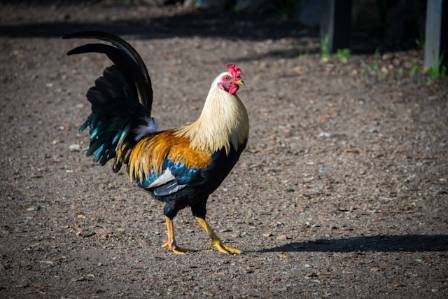
The Real Reason Roosters Make So Much Noise Every Single Morning

The Real Reason Roosters Make So Much Noise Every Single Morning

The famous morning shout at sunrise echoes across the globe. People often view this sound as a natural alarm clock. However, these birds do not perform their morning routine out of simple duty. They do not just follow an ancient tradition. Various scientific papers reveal a much deeper purpose. Male chickens shout at dawn to show their absolute power. They use their voices to broadcast their social rank to the entire group.

BK

BLOCK · en

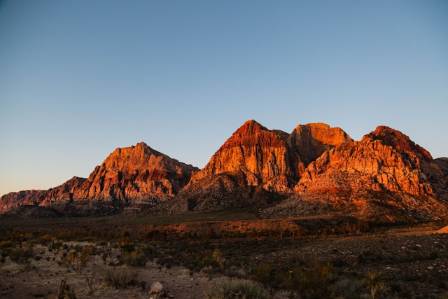
The Past, Present and Future of Red Rock

The Past, Present and Future of Red Rock

Red Rock Canyon National Conservation Area (RRCNCA) covers 195,819 acres of dramatic sandstone cliffs, rugged mountains, and winding desert arroyos. Its landscape also preserves traces of the past, including rock art and other cultural resources left behind by Ancestral Puebloans and Southern Paiute communities.