Plaza story
Glacial Landforms and Rock Types
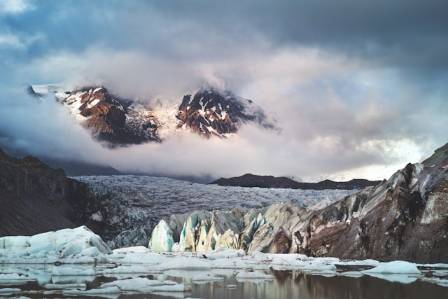
The retreat of ancient glaciers shaped the landscape of the Puget Lowland, leaving behind a wide variety of glacial landforms and deposits. These features provide important evidence of the region’s icy past and reveal how massive sheets of ice transformed the terrain over thousands of years.
Nathaniel Sterling
City note
Sunny tip
The full plaza write-up continues below on the positive pulse board.
Board
NYC Good News
The retreat of ancient glaciers shaped the landscape of the Puget Lowland, leaving behind a wide variety of glacial landforms and deposits. These features provide important evidence of the region’s icy past and reveal how massive sheets of ice transformed the terrain over thousands of years.
Glacial Till: Deposits Left Behind by Ice
Till is the name given to the mixture of rocks and sediments deposited directly by glaciers. As a glacier melts and retreats, it releases the materials it has carried, including boulders, gravel, sand, and fine silt. Unlike sediments moved by water, these deposits are typically unsorted, with different sizes and types of rocks mixed together.
Because glaciers traveled across large areas while slowly moving southward, the rocks within glacial till often come from many different locations. These deposits preserve a record of the various landscapes and rock formations that glaciers passed over during their journey.
Glacial Outwash and Water-Carried Sediments
Outwash consists of sediments transported by streams and lakes that develop on, beneath, or near melting glaciers. Unlike glacial till, outwash materials are sorted as flowing water separates particles based on size and weight.
In the modern Puget Lowland, glacial till and outwash make up the two main types of glacial deposits found throughout the region.
Glacial Erratics: Rocks Carried Great Distances
Glaciers are powerful forces capable of picking up and transporting large pieces of rock over long distances. When these rocks are eventually deposited far away from their original source, they are known as glacial erratics.
These unusual rocks are often easy to recognize because their composition differs from the surrounding bedrock. Their presence provides clues about the paths and movements of ancient glaciers.
Striations and Glacial Scratches
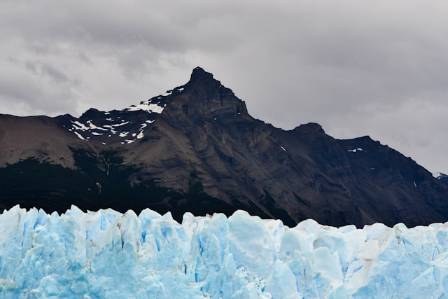
As glaciers moved across the land, rocks and boulders trapped beneath the ice scraped against the underlying surface. This movement created long grooves and marks known as striations.
Larger and deeper versions of these scratches are called grooves. These features reveal the direction in which glaciers traveled and show the tremendous force of moving ice.
Moraines and Kettle Lakes
Glaciers created many other distinctive landforms, including moraines and kettles. Moraines are piles of unsorted rocks and sediments that accumulate along the sides or at the ends of glaciers. As glaciers retreat, these deposits remain behind as long, low ridges or mounds that indicate where the ice once reached.
Kettles are small hollows formed when chunks of ice become buried by glacial sediments. After the leftover ice melts, depressions remain in the ground, often filling with water to create ponds or small lakes.
Exploring Glacial Landscapes in the Puget Lowland
The Puget Lowland contains many examples of these glacial formations and geological features. From transported rocks and sediment layers to valleys, ridges, and water-filled depressions, each feature tells part of the story of how ancient glaciers shaped the region.
Photos of these glacial landforms and rocks provide a closer look at the powerful natural processes that transformed the landscape.
More from the plaza
BLOCK · en

Technology and Workplace Safety
Technological advancements are changing every aspect of work, including how we maintain safety on the job. Tools such as AI-powered risk detection, wearable monitors, and real-time sensors are redefining safety standards.
BLOCK · en
Meet the Striking Spotted Sicklefish
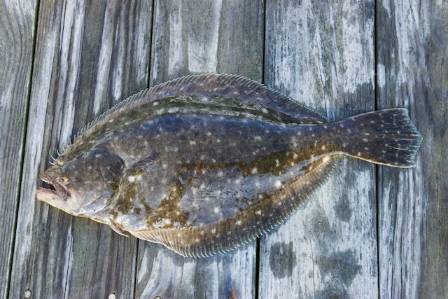
Drepane punctata, commonly known by names such as butterfish, concertinafish, jetto, peppercorn, sickle-fish, silver moonfish, spotted batfish, spotted sicklefish, sicklefish, and spotted spadefish, is a ray-finned fish belonging to the family Drepaneidae, commonly known as the sicklefishes. Its natural distribution extends throughout the Indo-Pacific region.
BLOCK · en
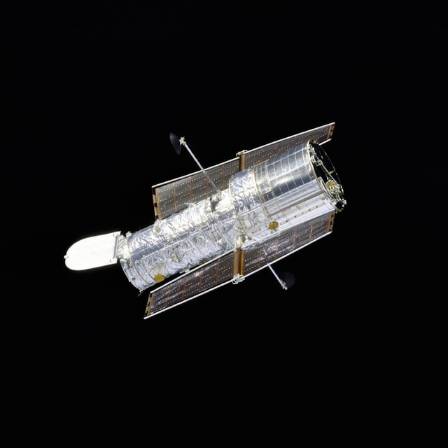
Five Intriguing Truths Regarding Satellites and Their Orbital Paths
While many view satellites as simple pieces of machinery, their history and operation are filled with fascinating complexities, ranging from early physics theories to "zombie" transmissions. To better understand these technical marvels and the space they occupy, we have compiled several key insights that highlight the unique nature of orbital science.
BLOCK · en
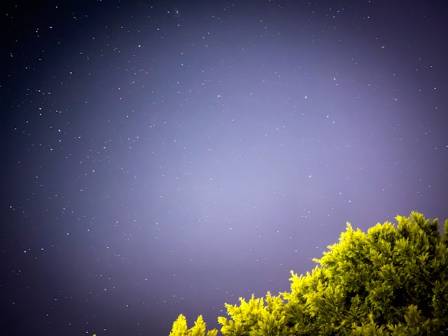
The Importance of a Natural Night Sky: Wonder, Stargazing, and Scientific Discover
In an age when artificial lighting increasingly fills the night, the brilliance of human civilization dims the stars above. Yet, amateur astronomers, conservationists, and researchers alike advocate for protecting the natural darkness that once blanketed Earth. While artificial light is useful, we often undervalue the importance of darkness.
BLOCK · en
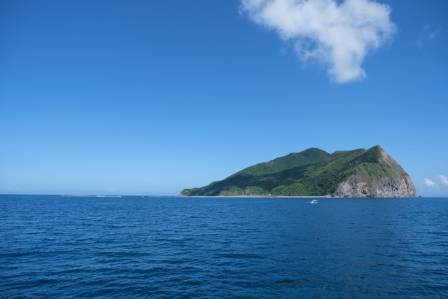
Islands Near Green Island, Queensland (Great Barrier Reef Region)
Islands Near Green Island, Queensland (Great Barrier Reef Region)
BLOCK · en
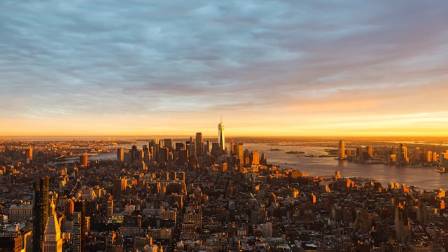
Top Ten Locations with the Most Amazing Sunsets in the World
There is something truly special about watching the sun slowly disappear below the horizon. For me, sunset is the perfect way to finish a day, creating a peaceful moment filled with color, beauty, and unforgettable memories. After visiting many incredible places around the world, I have experienced countless breathtaking sunsets. These are the destinations that left the deepest impression.