Plaza story
Polar Bears in Svalbard
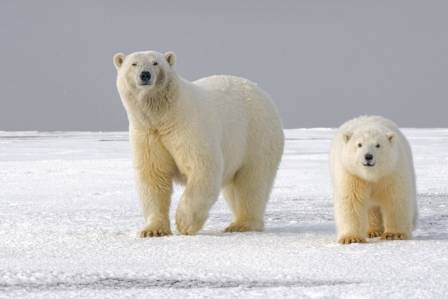
The polar bear (Ursus maritimus) is the largest carnivorous animal that lives on land. However, it is officially considered a marine mammal because it has evolved to spend much of its life traveling and hunting on floating sea ice.
Clara Evans
City note
Sunny tip
The full plaza write-up continues below on the positive pulse board.
Board
NYC Good News
The polar bear (Ursus maritimus) is the largest carnivorous animal that lives on land. However, it is officially considered a marine mammal because it has evolved to spend much of its life traveling and hunting on floating sea ice.
In Svalbard, polar bears are one of the most remarkable symbols of the Arctic wilderness. They are powerful yet unpredictable animals that may appear almost anywhere, including areas close to human settlements.
Seeing a polar bear in the wild can be an extraordinary and unforgettable experience, but it also comes with serious risks. These animals are extremely quiet when moving, capable of rapid attacks, and their behavior can be difficult to predict. For this reason, anyone traveling in polar bear territory must take proper precautions, follow local safety rules, and listen to advice from experienced professionals.
Visitors should never leave settlements without appropriate preparation, knowledge, safety equipment, deterrents, and necessary protection. Joining organized tours led by local guides is strongly recommended because it helps protect both people and polar bears.
The Polar Bear: A Powerful Predator Facing Growing Challenges
According to Polar Bears International, approximately 26,000 polar bears currently exist across the Arctic region, divided into 19 separate populations. These groups occupy enormous areas, and many populations are connected to some degree through movement between regions.
The polar bear population around Svalbard and the Barents Sea is estimated at about 3,000 individuals. Around 300 bears are believed to remain on Svalbard throughout the year, while others move between the archipelago and Franz Josef Land. Because of these seasonal movements, the number of polar bears present in Svalbard changes during the year and is likely fewer than 1,000 at its highest.
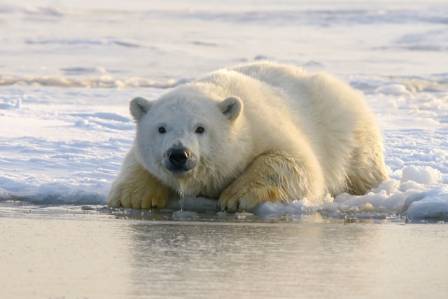
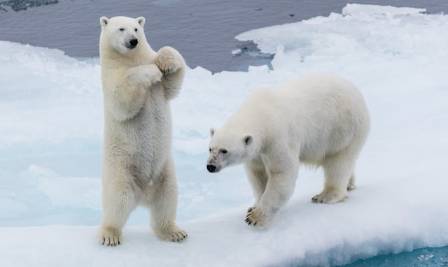
Polar bears rely heavily on sea ice for almost every part of their lives, including hunting, traveling, mating, and resting. Their main prey consists of ringed seals and bearded seals, which they capture from the ice surface.
The greatest danger facing polar bears today is climate change caused by human activities. The Arctic is warming faster than almost any other region on Earth, causing sea ice to disappear at an increasing rate. As ice-free periods become longer, polar bears have fewer opportunities to hunt seals. This results in reduced body condition, increased hunger, and lower reproductive success.
Scientific research suggests that without significant reductions in greenhouse gas emissions and efforts to slow global warming, some polar bear populations may disappear by the end of this century.
Polar Bears Adapting to Changing Arctic Conditions
In recent years, researchers have observed some polar bears spending more time on land and searching for alternative food sources. In Svalbard, individual bears have been recorded hunting Svalbard reindeer and feeding on eggs from seabird colonies.
However, scientists are uncertain whether polar bears as a species can successfully adjust to the rapid changes occurring in the Arctic. Alternative food sources may not provide enough energy to replace the rich, fatty seal meat that polar bears depend on for survival and reproduction.
Beyond climate change, polar bears face additional threats, including increasing human activity in Arctic regions, interactions with people, pollution, disease, and reduced protection of important areas used for hunting and raising cubs. In some areas, illegal or excessive hunting also remains a concern for vulnerable populations.
Strict Protection Measures for Polar Bear Conservation
Polar bears have received international protection since 1973, and hunting has been completely prohibited in Svalbard since that time.
The Svalbard Environmental Protection Act establishes strict rules to prevent unnecessary disturbance, attraction, or pursuit of polar bears. Breaking these regulations can lead to legal consequences.
Beginning January 1, 2025, new safety rules require people in Svalbard to maintain a minimum distance of 300 meters from polar bears. During the period from March 1 to June 30, the required distance increases to 500 meters. If a bear appears within this restricted distance, visitors must move away.
These distance rules do not apply in populated areas or when people are inside research stations, cabins, or similar protected structures.
Another new requirement introduced in 2025 is that campsites must always have an awake and organized polar bear watch system. This rule does not apply to temporary lightweight shelters, simple cabins, or similar structures.
Polar Bear Safaris Do Not Exist in Svalbard
Unlike certain wildlife destinations around the world, Svalbard does not offer organized tours designed specifically to search for polar bears. There are no official “polar bear safaris” in the region.
Visitors often ask whether they are likely to see a polar bear during their trip or which season offers the best chance of an encounter. The reality is that sightings cannot be predicted.
Polar bears are wild animals that travel across enormous Arctic landscapes. They are also extremely well camouflaged, making them difficult to locate even in areas where they are present.
The longer someone spends exploring Svalbard, the greater the opportunity to experience its diverse Arctic wildlife. If a visitor is fortunate enough to see a polar bear, it should be considered a rare and unforgettable privilege rather than an expected part of the journey.
Visit Svalbard’s Advice for Safe Arctic Travel
Visitors are strongly encouraged to join guided tours operated by experienced local professionals. These guides understand Svalbard’s environment, weather conditions, and terrain, helping ensure safer travel while protecting wildlife.
Local guides also add value to the experience by sharing knowledge about Arctic ecosystems, history, culture, and the unique challenges of traveling in this remote region.
Travelers should always stay informed about current regulations, follow local recommendations, and take appropriate safety measures. Before exploring Svalbard, visitors are encouraged to contact Visit Svalbard’s tourist information centers or speak with hotel staff for updated advice and guidance.
Responsible Communication About Polar Bears
Visit Svalbard aims to present the Arctic environment in a responsible and realistic way. Their communication follows principles designed to respect nature, local communities, and visitors while promoting sustainable tourism.
Responsible promotion includes avoiding the use of close-up photographs of polar bears that may give the false impression that approaching these animals is normal or safe. Getting too close to a polar bear is dangerous and may violate regulations, putting both humans and animals at risk.
The goal is to show polar bears as they truly exist: wild, independent creatures living across vast Arctic landscapes. Appreciating them from a safe and respectful distance helps protect the animals while allowing people to experience the wonder of one of the planet’s most iconic species.
More from the plaza
BLOCK · en
Waiting for the Big Blue Butterfly
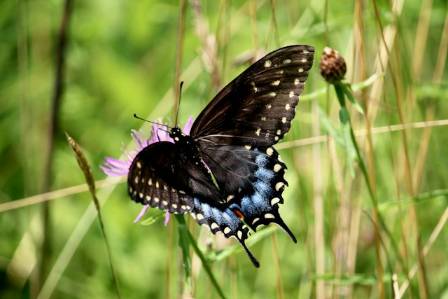
I can still remember exactly where I was when I encountered a pipevine swallowtail for the first time. My husband and I were walking along East Ridge Trail in Redwood Regional Park when an extraordinary blue butterfly drifted past us. It was surprisingly large, measuring roughly five inches from wingtip to wingtip, and I had never seen a butterfly with such an intense, shimmering blue color. It looked almost tropical and completely out of place in the landscape. We followed it for a while, wondering aloud, “What was that?” until it vanished among the trees.
BLOCK · en

Pineapple: 5 Science-Backed Health Benefits & Easy Ways to Enjoy It
Pineapple (Ananas comosus) is more than just a sweet, tropical delight—it’s a nutritional powerhouse deeply cherished across Southeast Asia for its vibrant flavor, year-round availability, and affordable price point. Native to South America, this spiky fruit made its way to Southeast Asia centuries ago, where it quickly became a staple in local cuisines, street food, and home kitchens. Its juicy, tangy-sweet taste, versatility in both sweet and savory dishes, and ability to thrive in tropical climates have solidified its status as a favorite among young and old alike. Beyond its deliciousness, pineapple is packed with essential nutrients, enzymes, and antioxidants that offer a range of health benefits, from supporting immunity to easing digestion. Below, we dive into the science behind pineapple’s health perks, share practical tips for selecting and storing it, and explore easy, flavorful ways to incorporate it into your daily diet—backed by insights from dietitian Phoebe Thong of Outram Community Hospital (OCH), part of the SingHealth group.
BLOCK · en
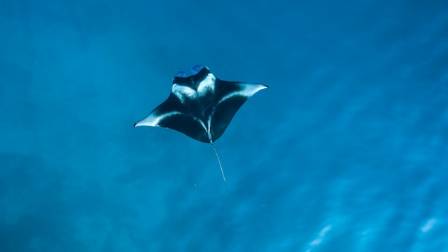
Manta rays possess one of the highest brain-to-body mass ratios among fish.
The giant manta ray (Mobula birostris) is the largest ray species on Earth.
BLOCK · en

Learning To Fence: Getting Started In The Sport of Fencing
So you’re thinking about starting fencing. Maybe you first noticed it during the Olympics, or perhaps you grew up watching films like The Princess Bride. Whatever brought you here, fencing is an accessible sport that welcomes people of nearly every age and ability level. This guide will walk you through the basics of how to begin your fencing journey.
BLOCK · en

Off-Road Legend Has Polarizing Opinion About the 2020 Land Rover Defender
Unleash the legend! Hardcore off-road vehicles take you to conquer mountains and valleys.
BLOCK · en

10 Fascinating Facts About the Golden Gate Bridge
The Golden Gate Bridge isn’t just a way to cross San Francisco Bay—it’s an icon of human ingenuity and engineering marvel. Stretching across the Golden Gate Strait, this bridge has captured the imagination of millions of visitors every year. Here are ten fascinating facts that make it truly unforgettable.