Plaza story
Must-See Vintage Sports Cars
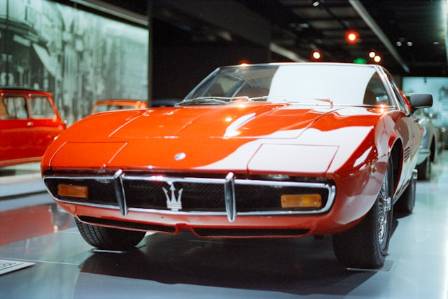
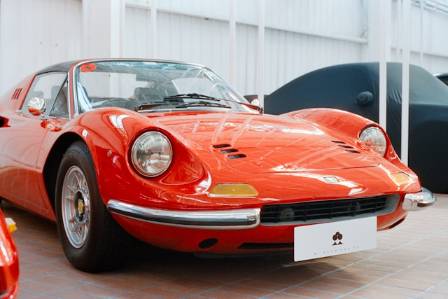
There’s something undeniably special about classic cars. They carry history, character, and a style that modern vehicles rarely capture. If you’ve ever imagined owning a vintage sports car, this guide will walk you through why they’re so cherished, highlight some of the most famous models, and explain what to consider before making a purchase.
Samuel Turner
City note
Sunny tip
The full plaza write-up continues below on the positive pulse board.
Board
NYC Good News
There’s something undeniably special about classic cars. They carry history, character, and a style that modern vehicles rarely capture. If you’ve ever imagined owning a vintage sports car, this guide will walk you through why they’re so cherished, highlight some of the most famous models, and explain what to consider before making a purchase.
What Makes a Classic Sports Car So Appealing?
Vintage sports cars are more than machines—they are living pieces of automotive art. Here’s why they hold such a strong appeal:
Timeless Design and Craftsmanship: Modern cars can feel uniform, but older sports cars stand out with distinctive shapes and elegant details. Many were handcrafted with care, showcasing curves, materials, and finishes rarely seen today. They weren’t just built to move—they were built to impress.
A Connection to History: Each classic car tells a story. It reflects the era in which it was made, from the music and fashion to the culture of the time. Driving a car from the 1960s, for instance, is like stepping into a different decade—it’s a tangible link to the past.
A Pure Driving Experience: Unlike contemporary cars full of electronic aids, vintage sports cars offer a direct and visceral connection to the road. The steering, the engine sound, the feel of the pedals—it’s a raw and exciting experience that modern cars rarely provide.
Exclusivity and Investment Value: Many vintage cars are rare, and their limited availability adds to their allure. These cars can also increase in value over time, making them both a collectible and an investment.
Must-Know Vintage Sports Cars
If you’re in the market for a classic, here are some of the most sought-after models:
Jaguar E-Type: Often called one of the most beautiful cars ever built, the E-Type is famous for its long hood and sleek silhouette. This British sports car is recognized worldwide as a design and performance icon.
Chevrolet Corvette: The Corvette is a true American classic. Early models, particularly the 1960s Sting Ray, are prized for their bold styling and powerful engines. They represent a key chapter in the story of American automotive history.
Porsche 911: The 911 is a legend with a shape that has remained largely unchanged for decades. It’s a car that balances everyday usability with thrilling performance, making it a practical yet exciting classic.
Ford Mustang: The Mustang epitomizes American muscle. Early 1960s models, like the Shelby GT500, are famous for their roaring V8 engines and aggressive design. Their popularity and available parts make them relatively easy to maintain.
Triumph TR6: A pure British roadster, the TR6 is simple, elegant, and fun to drive. It delivers a classic, unfiltered driving experience, making it a favorite among enthusiasts.
Datsun 240Z: Japan’s answer to European sports cars, the 240Z became popular for its speed, reliability, and affordability. It’s a durable and stylish classic that has stood the test of time.

What to Consider Before Buying a Vintage Sports Car
Purchasing a classic car is different from buying a modern vehicle. Here’s what to keep in mind:
Budget and Extra Costs: The purchase price is just the beginning. Consider:
Restoration: Older cars may require repainting, engine work, or other repairs, which can be costly.
Maintenance: Vintage vehicles often need mechanics experienced in classic cars. Parts can be rare and expensive.
Insurance: Classic cars typically require specialized coverage, different from standard policies.
Car Condition: The state of the car is crucial. Check for:
Rust: Look closely at the body and frame. Rust is difficult and expensive to repair.
Mechanical Health: Listen for unusual engine noises, check for leaks, and make sure brakes and steering feel solid.
Documentation: Verify ownership history and service records to understand the car’s background.
Do Your Homework: Learn everything you can about the model you want. Understand its common issues, consult owners, and consider joining a classic car club for insights.
Where to Find Vintage Sports Cars
Specialty Dealers: Some dealerships focus exclusively on classic cars and can offer expert guidance.
Online Marketplaces and Auctions: Websites like Hemmings or Classic.com allow you to browse thousands of listings from around the world.
Car Shows and Gatherings: Attending local shows is a great way to see multiple classics in person, speak with owners, and sometimes even find cars for sale.
What to Expect When Buying
Owning a vintage sports car is as much about passion as it is about the vehicle itself:
Patience is Key: Don’t rush. Finding the right car can take time, but it’s better to wait for the perfect example than settle for a less desirable option.
Test Drive and Inspection: Always drive the car first. Then, have a qualified mechanic evaluate it. They can spot problems that aren’t obvious to the untrained eye.
A Hobby, Not Just a Car: Owning a classic is about enjoying the ride, maintaining the car, and connecting with a community of fellow enthusiasts. It’s a rewarding experience, but it requires time and commitment.
Conclusion
Buying a vintage sports car is a journey into history, design, and driving pleasure. These vehicles are more than machines—they’re living pieces of art with stories to tell. By researching thoroughly, planning your budget, and choosing a car that excites you, you can find a classic that brings joy for years to come. Remember, the thrill is not just in the car itself—it’s in the experience of owning and driving it.
More from the plaza
BLOCK · en

Blue Beauties: Meet The Eastern Bluebird
Bluebirds are among those birds that seem to inspire affection almost everywhere. They have appeared in songs such as “Bluebird” by Paul McCartney & Wings, in well-known poems like Emily Dickinson’s “The Bluebird,” and in expressions that have become part of our culture, including “The Bluebird of Happiness,” a phrase associated with Edward Heyman’s 1934 song.
BLOCK · en

What Is a Smart Ring and What Does It Do?
Smart rings are rapidly emerging as one of the most compelling developments in wearable technology. These compact, screenless devices provide a convenient way to monitor health and fitness throughout the day. Although they resemble ordinary rings, they contain miniature sensors capable of collecting important wellness information without the size and visual presence of a smartwatch.
BLOCK · en

How to Draw Underwater Scenes with Various Media
Exploring underwater scenes in art can be both magical and challenging. The aquatic world is full of vibrant colors, intricate shapes, and captivating light patterns, making it an inspiring subject for artists. To create a believable underwater illustration, you’ll need to consider composition, light, depth, and which plants and animals will populate your scene. Preparing your workspace and gathering the right tools is also essential.
BLOCK · en

4 Healing Power of Animal Companionship in Therapy
The profound bond between humans and animals goes beyond mere companionship; it holds the remarkable ability to promote healing and enhance mental well-being. Animals, with their innate qualities, offer comfort and support that can significantly impact our lives.
BLOCK · en

Technology and Workplace Safety
Technological advancements are changing every aspect of work, including how we maintain safety on the job. Tools such as AI-powered risk detection, wearable monitors, and real-time sensors are redefining safety standards.
BLOCK · en

All about the Common European Robin
The Robin, once classified as Erithacus rubecula, is one of the first birds many people in the UK learn to recognise during childhood. Its popularity is undeniable; in the 2015 National Bird Vote, the Robin was named Britain’s favourite bird, receiving an impressive 34% of the total votes. When people picture Christmas scenes, they often imagine a Robin perched on a snowy branch.