
Plaza story
Rock Climbing Mastery: Essential Techniques for Better Performance
Improving your climbing technique requires more than just strength - it's about movement efficiency, body positioning, and mental focus. These practical tips will help climbers of all levels refine their skills and tackle more challenging routes with confidence.
Joshua Hall
City note
Sunny tip
The full plaza write-up continues below on the positive pulse board.
Board
NYC Good News
Improving your climbing technique requires more than just strength - it's about movement efficiency, body positioning, and mental focus. These practical tips will help climbers of all levels refine their skills and tackle more challenging routes with confidence.
Footwork Fundamentals
Precise foot placement forms the foundation of good climbing technique. Focus on placing your feet quietly and accurately on each hold. Develop the habit of using your toes rather than the middle of your foot for better precision. Practice smearing on blank surfaces to improve friction and balance. Keep your heels low to maximize contact with the wall and reduce strain on your calves.
Body Positioning and Movement
Efficient climbing relies on proper body alignment. Maintain close proximity to the wall by keeping your hips in. Learn to twist and flag your legs to maintain balance while reaching for distant holds. Practice silent climbing by moving deliberately between holds without unnecessary adjustments. Develop the ability to rest on the wall by straightening your arms and finding stable body positions.
Hand and Grip Techniques
Master different grip types including crimps, pinches, and slopers. Avoid over-gripping by using only the necessary strength to maintain each hold. Train open-handed grips to reduce finger strain. Learn to match hands on holds when necessary and practice quick, precise hand movements between holds. Develop the ability to shake out your arms periodically to reduce pump.
Route Reading and Planning
Before climbing, study the route to identify key holds and potential resting spots. Visualize your sequence of movements from the ground. Look for alternative beta that might suit your strengths better. Identify potential crux sections and plan your energy conservation accordingly. Learn to adapt your plan as you climb based on how the route feels.

Strength and Endurance Building
Develop climbing-specific strength through targeted exercises. Focus on pull-ups, lock-offs, and core exercises to improve overall climbing fitness. Incorporate hangboard training carefully to build finger strength without injury. Practice climbing laps on easier routes to build endurance. Include antagonist muscle training to prevent imbalances and reduce injury risk.
Mental Approach and Focus
Develop a calm, focused mindset while climbing. Learn to control breathing during difficult sections. Practice positive self-talk to push through challenging moves. Visualize successful ascents before attempting routes. Accept that falling is part of the learning process and work on overcoming fear of heights gradually.
Equipment and Safety Practices
Ensure proper fitting climbing shoes that balance comfort and performance. Learn to use chalk effectively to maintain dry hands without overusing it. Practice proper belaying techniques until they become second nature. Regularly inspect your gear for signs of wear. Develop a consistent pre-climb safety check routine for both yourself and your partner.
These techniques form the core of efficient climbing movement. Progress comes from consistent practice and mindful application of these principles. Remember that technical improvement often shows in small increments - celebrate each breakthrough while remaining patient with the learning process. The most successful climbers combine physical training with mental preparation and technical refinement.

For optimal improvement, focus on one or two technique elements during each climbing session rather than trying to address everything at once. Film yourself climbing occasionally to identify areas for improvement that you might not notice in the moment. With dedicated practice of these techniques, you'll find yourself climbing more difficult routes with greater ease and confidence. The journey of climbing improvement never truly ends - there's always another skill to refine or challenge to conquer.
More from the plaza
BLOCK · en

Queensland from Above: A Majestic Aerial Perspective
In the vast expanse of Queensland, a state that surpasses the size of many nations, embracing World Heritage rainforests, coral reefs, and islands, comprehending its sheer grandeur can be a challenge.
BLOCK · en

Paint Watercolor Sunflowers In Easy Steps
Vincent Van Gogh’s abstract sunflower paintings from the 1880s remain iconic and continue to inspire artists around the world. In this guide, we’ll explore how to capture the vibrant energy of sunflowers in a loose, expressive watercolor style using just a few essential colors.
BLOCK · en
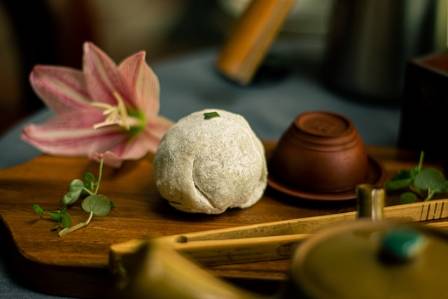
Mochi: From Ancient Japanese Tradition to Global Ice Cream Sensation
My/Mochi Ice Cream has taken the global snack scene by storm, captivating taste buds with its delightful combination of chewy sweet rice dough and creamy premium ice cream. This innovative treat has become a beloved indulgence worldwide, making “mochi” a household name synonymous with a fun, portable ice cream experience. Yet, few may realize that the word “mochi” carries a far richer, more profound history rooted in Japanese culture—one that stretches back centuries, woven into rituals, social hierarchies, and daily life. Beyond the trendy ice cream wrapper lies a food with deep cultural significance, a symbol of sustenance, good fortune, and tradition. As we explore what mochi truly is, its place in Japanese society, and its journey from ancient ritual to modern snack, we uncover a story that connects past and present in every sticky, sweet bite.
BLOCK · en

The Best Convertible SUVs
A convertible SUV blends the enjoyment of open-air driving with the practicality and stance of a sport utility vehicle. These vehicles generally fall into two main groups: rugged, off-road-focused models with removable roof sections such as the Jeep Wrangler and Ford Bronco, and more road-oriented crossover-style SUVs with folding soft tops like the now-discontinued Nissan Murano CrossCabriolet.
BLOCK · en

Eternal Affection for Vintage Automobiles
In the realm of automobiles, a question lingers: Why do people still harbor such fervent love for classic cars? In many instances, classic cars might be dismissed as outdated relics. As James May wittily quipped, "If they were any good, they'd still be made." Indeed, when compared to their modern counterparts, classic cars often appear as underwhelming. Modern vehicles boast superior speed, handling, reliability, comfort, cleanliness, safety, economy, and even affordability. They seem to outshine classics in nearly every conceivable aspect. Yet, against all odds, classic cars not only endure but thrive in today's world. Why is this?
BLOCK · en

Classic Portuguese Egg Tart Recipe
I first fell in love with egg tarts during a visit to a small bakery in San Francisco’s Chinatown. The case was filled with perfectly golden pastries, and I couldn’t resist trying a few. One bite in, I was hooked—the crisp, flaky shell paired with a silky, rich custard was unforgettable. After many trials and plenty of tweaking, I finally developed a version at home that delivers that same bakery-level quality every time.