
Plaza story
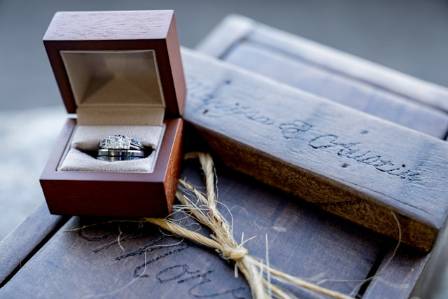
How to design your wooden ring box of walnut wood
Crafting a ring box from walnut wood is a beautiful way to combine fine craftsmanship with the timeless beauty of natural materials. Walnut is a popular option for ring boxes because of its rich brown tones, elegant grain patterns, and durable quality.
Freya Willow
City note
Sunny tip
The full plaza write-up continues below on the positive pulse board.
Board
NYC Good News
Crafting a ring box from walnut wood is a beautiful way to combine fine craftsmanship with the timeless beauty of natural materials. Walnut is a popular option for ring boxes because of its rich brown tones, elegant grain patterns, and durable quality.
Whether you plan to create your own walnut ring box or purchase one from an artisan, there are several important design ideas and practical details to consider.
Designing a Walnut Wood Ring Box
1. Size and Shape
Start by deciding on the dimensions and overall form of the box. Popular choices include square, round, or rectangular designs. The box should remain compact while still providing enough space to safely hold the ring or jewelry piece.
2. Lid Style
Think about how the lid will function. Common options include:
A removable top
A hinged lid
A sliding cover
Each style creates a different appearance and user experience.
3. Interior Material
The inside lining helps protect the jewelry while adding a refined touch. Velvet and felt are commonly used because they are soft and luxurious. Choose a lining color that pairs nicely with the deep walnut tones.
4. Storage Layout
Decide whether the box should contain:
One slot for a single ring
Multiple compartments for several rings or accessories
Some designs also include small sections for earrings, necklaces, or cufflinks.
5. Custom Details
Personal touches can make the box more meaningful. Many people add engraved initials, dates, names, or short messages to either the outside or inside of the lid.

How to Make a Walnut Ring Box
If you want to build the box yourself, the process generally includes the following steps:
1. Choose the Walnut Wood
Select a walnut wood piece with attractive grain patterns and rich coloring.
2. Cut and Shape
Measure and cut the wood according to your design. This stage may involve sawing, sanding, and shaping the edges.
3. Assemble the Box
Glue the individual pieces together to create the base and lid. Clamps can help keep everything secure while drying.
4. Sand and Finish
After assembly, sand the surface until smooth. Apply a finish such as oil, wax, or varnish to protect the wood and enhance its natural appearance.
5. Add the Interior Lining
Trim the velvet or felt lining to fit neatly inside the box and secure it with adhesive.
6. Install Hardware
If your design includes hinges or a sliding lid system, attach the hardware carefully and make sure everything opens smoothly.
Buying a Walnut Wood Ring Box
If you prefer purchasing rather than crafting one yourself, many skilled woodworkers and artisans create handmade walnut ring boxes.
Before buying, consider the following:
Review customer feedback and previous work
Look for customization options
Confirm the dimensions fit your jewelry properly
Choose a style that matches your personal taste
Final Thoughts
A walnut wood ring box is both practical and meaningful. Whether handmade or purchased from a craftsman, it offers a stylish and lasting way to store treasured jewelry pieces while showcasing the natural beauty of walnut wood.
More from the plaza
BLOCK · en
Bird Flower
Chinese Bird and Flower Painting
BLOCK · en

Skateboarding Fun Facts: Dogs, Tricks, Legends, Money, and Giant Skateboards
Are you ready to shred some knowledge about skateboarding? Hang on tight and prepare for some fun facts that will make you laugh, scratch your head, and maybe even want to jump on a skateboard yourself. Have you ever heard of OTTO, the bulldog that can shred better than most humans?
BLOCK · en

The Epic Story of Magnetic Tape: Past, Present and Future
Imagine a world with no way to preserve voices, music, or digital knowledge. Without magnetic tape, countless speeches, cultural treasures, and scientific breakthroughs might have vanished. This unassuming strip of coated plastic reshaped the way humans record, store, and protect information—and its journey is nothing short of extraordinary.
BLOCK · en
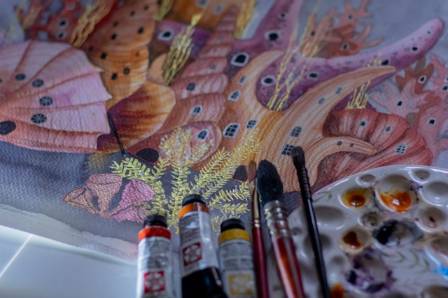
How to Draw Underwater Scenes with Various Media
Exploring underwater scenes in art can be both magical and challenging. The aquatic world is full of vibrant colors, intricate shapes, and captivating light patterns, making it an inspiring subject for artists. To create a believable underwater illustration, you’ll need to consider composition, light, depth, and which plants and animals will populate your scene. Preparing your workspace and gathering the right tools is also essential.
BLOCK · en

100 Hidden Dwarf Galaxies May Circle the Milky Way, Simulations Suggest
The Milky Way could be accompanied by over a hundred undiscovered satellite galaxies, according to groundbreaking supercomputer simulations. Researchers utilizing advanced dark matter models—the elusive substance thought to govern cosmic structure—predict that our galaxy may host far more companion galaxies than currently observed.
BLOCK · en

How is beach sand created?
Many tropical islands are surrounded by beaches covered in brilliant white sand. Hawaii, however, offers beaches in a remarkable range of colors, including white, black, green, and red. Bermuda is known for its pinkish sand, while sandy brown is the most common color found along beaches around the world. But what causes these differences in color? Why does some sand feel smooth and powdery while other sand feels coarse beneath your feet? And how does beach sand form in the first place?