Plaza story
Japanese Daifuku
Daifuku is a soft, chewy Japanese rice cake that has captured the hearts of both locals and visitors. With its delicate texture and pleasantly sweet filling, this traditional treat highlights Japan’s attention to detail and balance in culinary art. Most commonly stuffed with sweet red bean paste, Daifuku is not just a dessert—it represents harmony and craftsmanship in Japanese food culture.
Chloe Adams
City note
Sunny tip
The full plaza write-up continues below on the positive pulse board.
Board
NYC Good News
Daifuku is a soft, chewy Japanese rice cake that has captured the hearts of both locals and visitors. With its delicate texture and pleasantly sweet filling, this traditional treat highlights Japan’s attention to detail and balance in culinary art. Most commonly stuffed with sweet red bean paste, Daifuku is not just a dessert—it represents harmony and craftsmanship in Japanese food culture.
Its gentle, sticky exterior paired with a rich filling creates a satisfying contrast in every bite. Whether served during tea gatherings or sold in small neighborhood shops, Daifuku perfectly reflects the charm of classic Japanese sweets.
What Is Daifuku?
Daifuku belongs to the category of wagashi, or traditional Japanese confections. It is typically made from mochi dough—prepared using glutinous rice flour—and filled with a variety of sweet ingredients such as red bean paste, fresh fruit, or even ice cream in modern adaptations.
The word “Daifuku” means “great fortune,” and these small, round treats are often associated with good luck. One of its most appealing qualities is its texture: soft, slightly stretchy mochi that surrounds a smooth, flavorful center.
Classic versions usually contain anko, a sweet paste made from azuki beans. This creates a pleasing contrast between the mildly sweet outer layer and the deeper, earthy flavor of the filling. Because they are small and easy to eat, Daifuku are often enjoyed with green tea for a balanced and refreshing experience.
Ingredients and Flavor
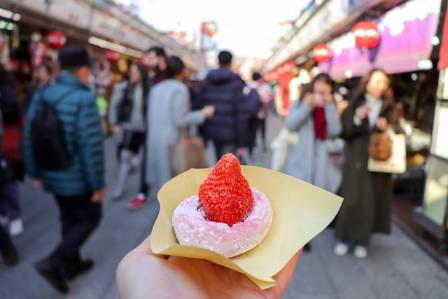
Despite its simple ingredient list, Daifuku achieves a distinctive taste and texture through careful preparation. The outer layer is made from glutinous rice flour mixed with water and sugar, then steamed and kneaded until it becomes soft and elastic.
The filling, most commonly anko, is created by simmering red beans with sugar until thick and smooth. Variations may include white bean paste (shiroan), strawberries, or matcha-flavored cream, each adding a unique twist while staying true to the original concept.
In terms of flavor, Daifuku emphasizes subtle sweetness. The filling is gently sweet rather than overpowering, allowing the natural taste of the ingredients to stand out. The mochi itself is mild in flavor, acting as a soft and chewy base that complements the richness inside. Together, these elements create a balanced and enjoyable dessert.
A Brief History
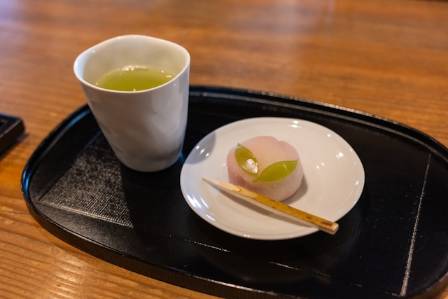
Daifuku dates back to Japan’s Edo period (1603–1868), when it was originally known as harabuto mochi, meaning “filling mochi.” Early versions were larger and less sweet than the ones we know today.
Over time, the recipe evolved: the size became smaller, and sweet bean paste replaced earlier savory fillings. This transformation shaped Daifuku into the familiar confection enjoyed today.
Traditionally, Daifuku was reserved for special occasions and festive events, symbolizing happiness and good fortune. It became especially popular during New Year celebrations, when it was shared with loved ones as a wish for prosperity. Its meaning and tradition continue today, making it a cherished treat at festivals, tea ceremonies, and cultural gatherings.
More from the plaza
BLOCK · en

Understanding the Emperor Penguins of Antarctica
Emperor penguins are remarkable inhabitants of the Antarctic, possessing unique biological traits and behavioral patterns that allow them to thrive in one of the most inhospitable environments on the planet. As the largest members of the penguin family, these birds are not only iconic symbols of the frozen south but also masters of survival.
BLOCK · en

Effortless Home Makeover: Simple Interior Design Tips
The art of interior decoration involves crafting personalized spaces in residential homes and commercial establishments. This creative process encompasses the careful curation of color schemes, furniture selections, flooring materials, artwork, and accessories, all geared towards transforming an environment into an aesthetically pleasing and cost-effective haven.
BLOCK · en

How To Draw A Giraffe
Giraffes are the tallest land mammals on Earth, with males reaching heights of up to 18 feet.
BLOCK · en
Traditional Thai Attire: A Guide to Styles, Etiquette, and Acquisition
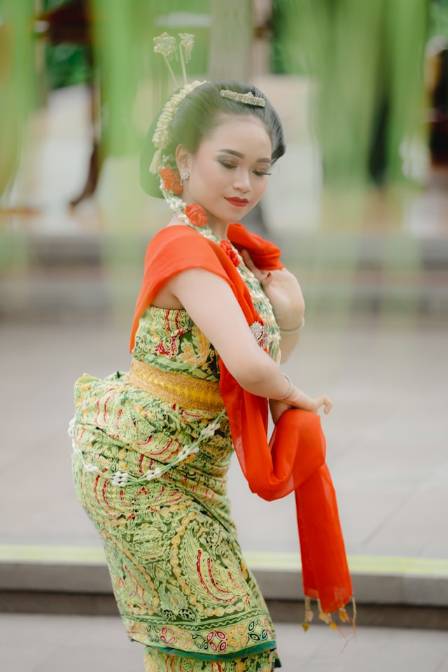
The vibrant spectrum of Thai traditional clothing serves as a profound window into the nation's historical soul and artistic legacy. For travelers exploring the kingdom, understanding the nuances of these garments—from their complex weaves to their cultural symbolism—offers a more intimate connection to the local way of life. These outfits are far more than mere historical relics; they are living expressions of Thai identity that continue to grace modern ceremonies and festivals.
BLOCK · en

The World's Largest Turtle: A New Chapter
The leatherback turtle now exhibited at National Museum Cardiff first came to public attention in September 1988, when it was found stranded on Harlech beach in Gwynedd.
BLOCK · en

Vintage Robots: Revisiting the Early Robots
The 20th century represented a major era of growth in robotics, ushering in a period of remarkable technological progress.