Plaza story
6 of the World’s Most Impressive Piers
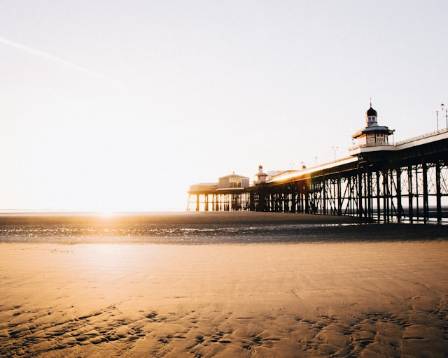
Across coastlines worldwide, piers stand as a bridge between land and sea. Some are beloved for their seaside entertainment, others are marvels of history, while a few are celebrated simply for their sheer size. Built from timber, concrete, or steel, these structures have become icons of both engineering and culture. Here are six of the most extraordinary piers on the planet.
John
City note
Sunny tip
The full plaza write-up continues below on the positive pulse board.
Board
NYC Good News
Across coastlines worldwide, piers stand as a bridge between land and sea. Some are beloved for their seaside entertainment, others are marvels of history, while a few are celebrated simply for their sheer size. Built from timber, concrete, or steel, these structures have become icons of both engineering and culture. Here are six of the most extraordinary piers on the planet.
Walton Pier, United Kingdom
Dating back to 1830, Walton Pier is one of Britain’s earliest seaside landmarks. Stretching 792.5 meters (about 2,600 feet), it has weathered both storms and reconstruction. A devastating gale in 1871 led to major rebuilding, with another update in 1895 giving it the shape visitors see today. Beyond its history, the pier doubles as a small amusement park, filled with fairground rides and classic arcade fun.
Southport Pier, United Kingdom
Located in Merseyside, Southport Pier holds the title of Britain’s second-longest pier, reaching 1,107 meters (3,633 feet). Originally built in the Victorian era, it was given a sleek, modern overhaul in 2002. Today, its open-air design welcomes guests to stroll toward the sea breeze while enjoying penny arcades and a charming café. This blend of nostalgia and renewal even earned it the “Pier of the Year” award.
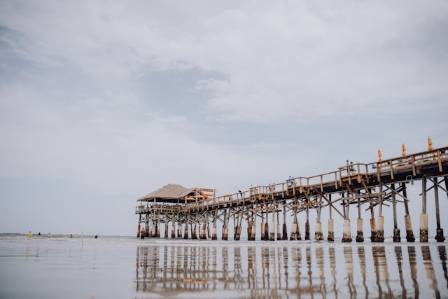
Busselton Jetty, Australia
Whether you call it a pier or a jetty, Busselton is nothing short of legendary. Found in Western Australia, it stretches an incredible 1,841 meters (1.14 miles), making it the world’s longest wooden pier. Construction began in 1853 and continued in stages until the mid-20th century. The structure is so vast that it even houses an underwater observatory, offering glimpses of the marine life that thrive beneath its planks.
Southend Pier, United Kingdom
Southend Pier is a record-breaker, celebrated as the longest pleasure pier on Earth. Extending 2.16 kilometers (1.34 miles) into the Thames Estuary, it has become a symbol of the seaside town itself. Sir John Betjeman famously remarked, “The Pier is Southend, and Southend is the Pier.” Visitors today can hop aboard a small train that runs its length, making the journey as enjoyable as the destination.
Lucinda Pier, Australia
Found in Queensland, Lucinda Pier (often debated as a jetty) is a strikingly unusual design. Unlike most piers, it extends diagonally out to sea, yet technically qualifies as a pier since it rests on pylons above the water. Built from steel and concrete, it spans a jaw-dropping 5.76 kilometers (3.57 miles), making it the second-longest in the world. Primarily used for loading sugar onto ships, it also stands as an engineering triumph.
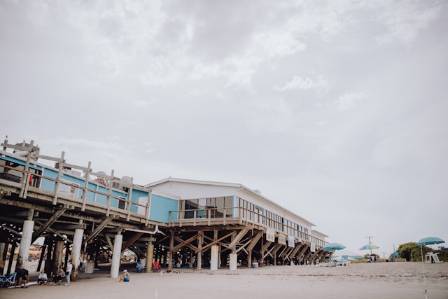
Progreso Pier, Mexico
Holding the crown as the world’s longest pier, Progreso stretches 6.5 kilometers (around 4 miles) into the Gulf of Mexico. Completed in 1942, it was constructed atop a natural limestone shelf to facilitate cruise ships and cargo vessels. Today, it’s a key tourist hub, serving as the gateway for visitors heading to explore ancient ruins near Mérida. The sheer scale of Progreso Pier makes it a marvel both for travelers and seafarers.
Conclusion
From Britain’s Victorian icons to Mexico’s record-breaking colossus, these piers embody far more than wood and steel. They stand as cultural landmarks, engineering achievements, and beloved gathering places by the sea. Whether you’re chasing panoramic views, indulging in seaside nostalgia, or simply fascinated by human ingenuity, these six piers prove that the edge of the ocean can be just as remarkable as the deep waters beyond.
More from the plaza
BLOCK · en
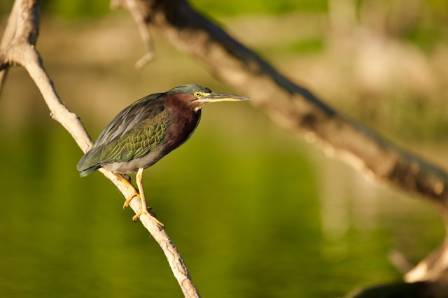
Marine Life Spotlight: The Versatile Green Heron
The green heron (Butorides virescens) is a compact yet sturdy wading bird frequently spotted throughout North and Central America. While its distinctive coloration can be subtle from a distance, a closer look in the right light reveals a stunning palette of deep red and gray plumage, topped with an iridescent green crown and back.
BLOCK · en

How to Draw Underwater Scenes with Various Media
Exploring underwater scenes in art can be both magical and challenging. The aquatic world is full of vibrant colors, intricate shapes, and captivating light patterns, making it an inspiring subject for artists. To create a believable underwater illustration, you’ll need to consider composition, light, depth, and which plants and animals will populate your scene. Preparing your workspace and gathering the right tools is also essential.
BLOCK · en

8 Little-Known Facts About Independence Hall
Here are eight things you probably didn’t know about Independence Hall—perfect for trivia night or your next visit.
BLOCK · en

The Luminous Kitchen: 6 Budget-Friendly Secrets to an Airy, Open Space
The trend toward bright, airy kitchens shows no signs of slowing down—and for good reason. As urban living often means adapting to more compact layouts, creating a sense of spaciousness has become essential for comfort. Even in a generously sized kitchen, thoughtful design choices that enhance light and flow can significantly uplift the atmosphere.
BLOCK · en

How to Paint a Watercolor Butterfly
This printable project guides you through the techniques of watercolor painting, making it accessible for artists of all ages. Follow the steps below, and you’ll soon have your own beautiful butterfly artwork!
BLOCK · en
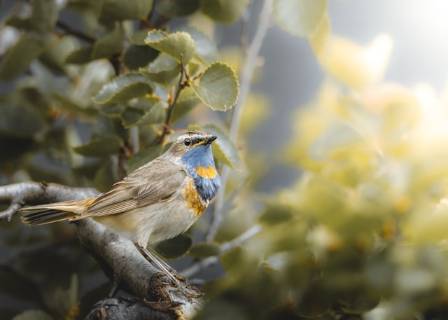
All about the Bluethroat
The Bluethroat is a visually impressive bird species, best recognized for the vivid blue patch covering the throat area. This colorful bib is bordered by two bands, one reddish-brown and the other dark black. Like many bird species, male Bluethroats have more colorful and elaborate markings compared with females, which lack the distinctive blue throat patch. Both sexes have grayish upperparts and pale underparts. Another shared feature is their habit of spreading their tails, revealing a chestnut-colored marking close to the tail tip.